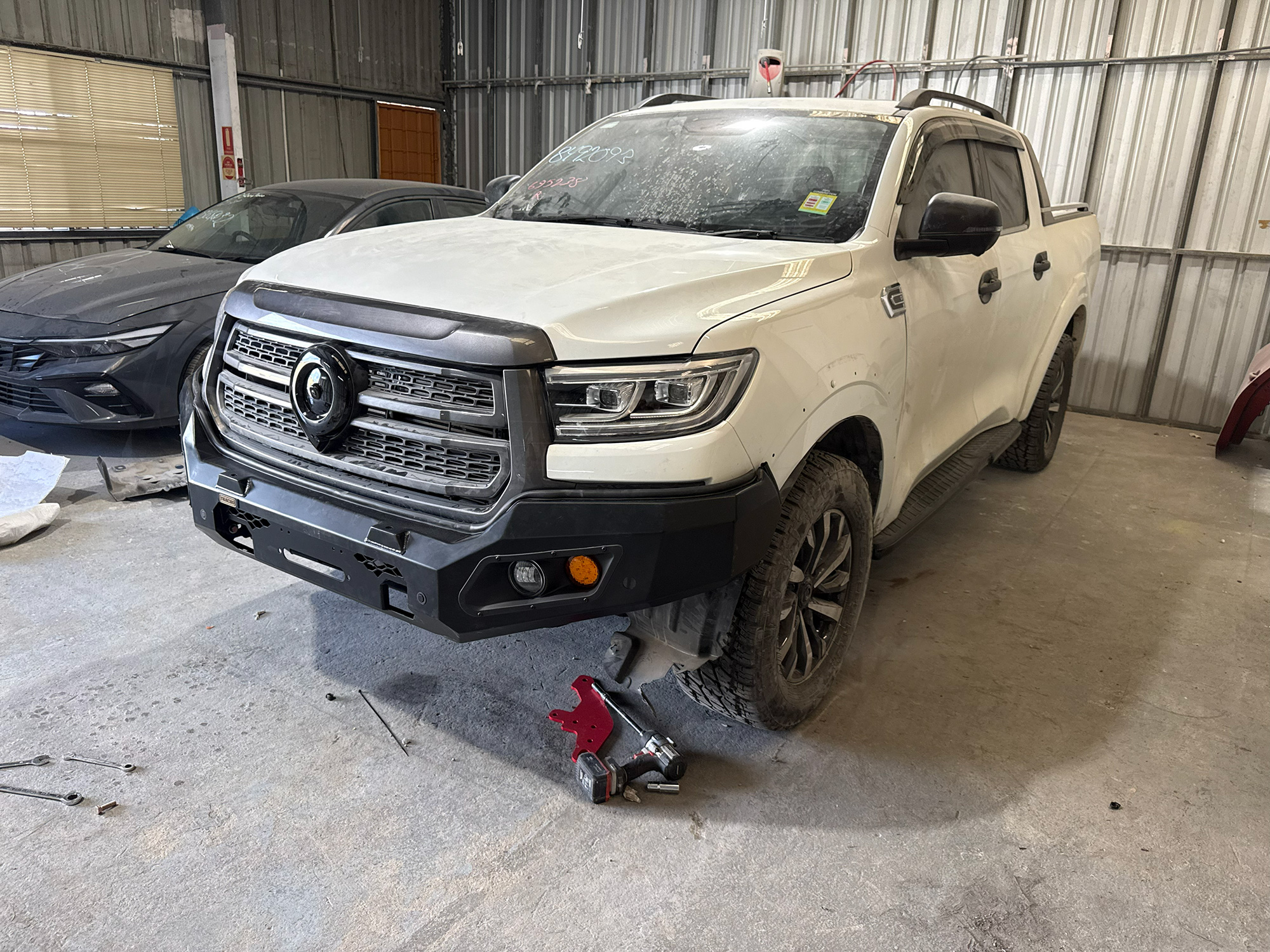
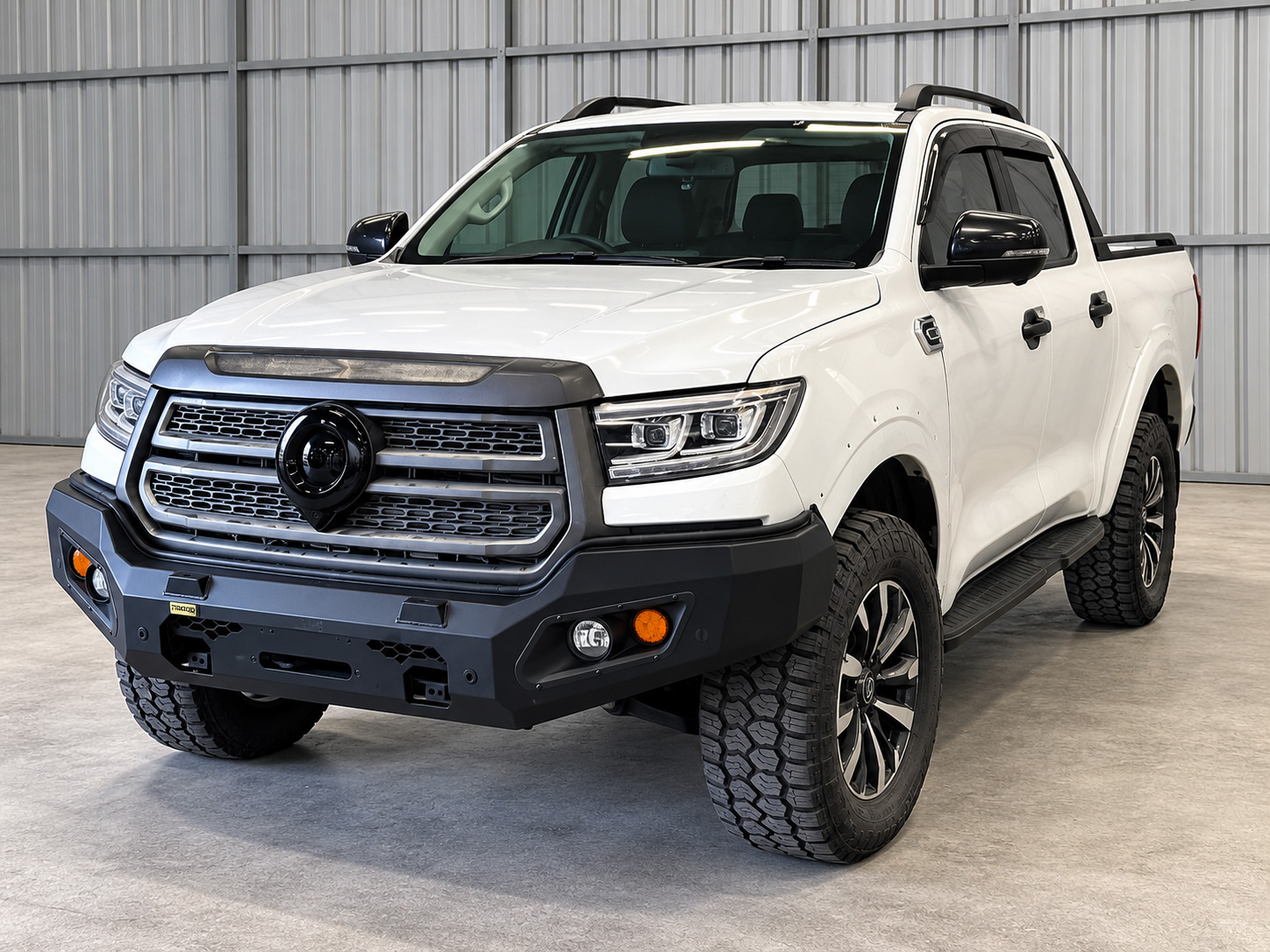
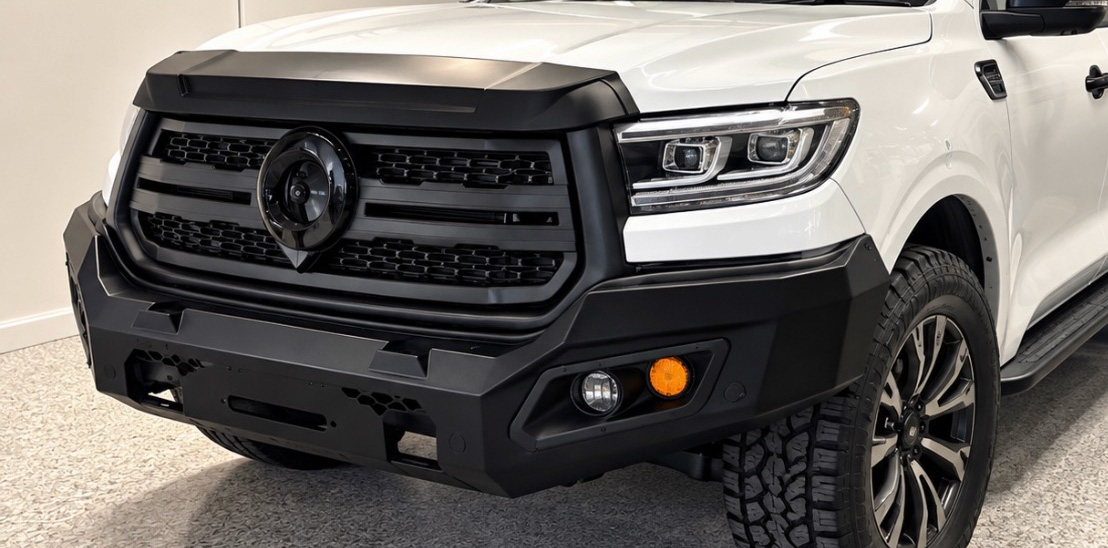
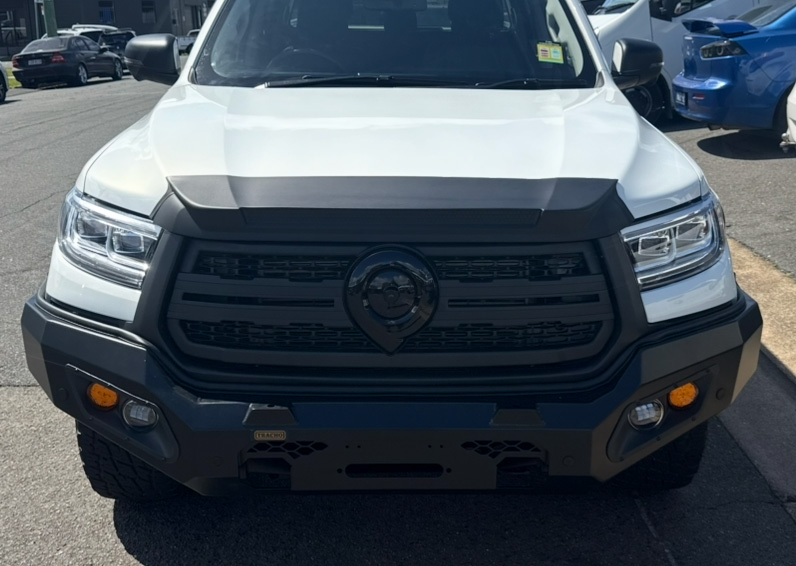
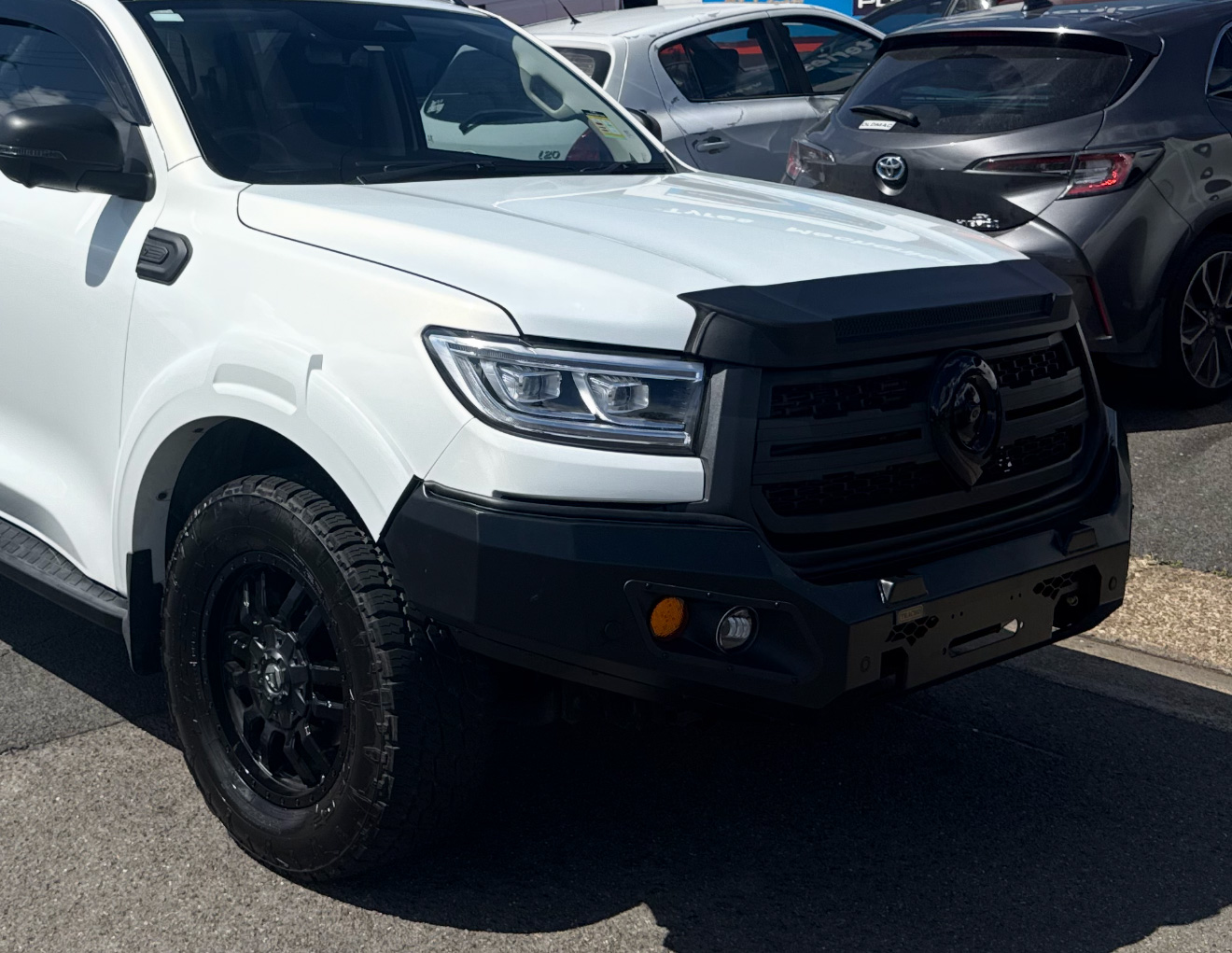
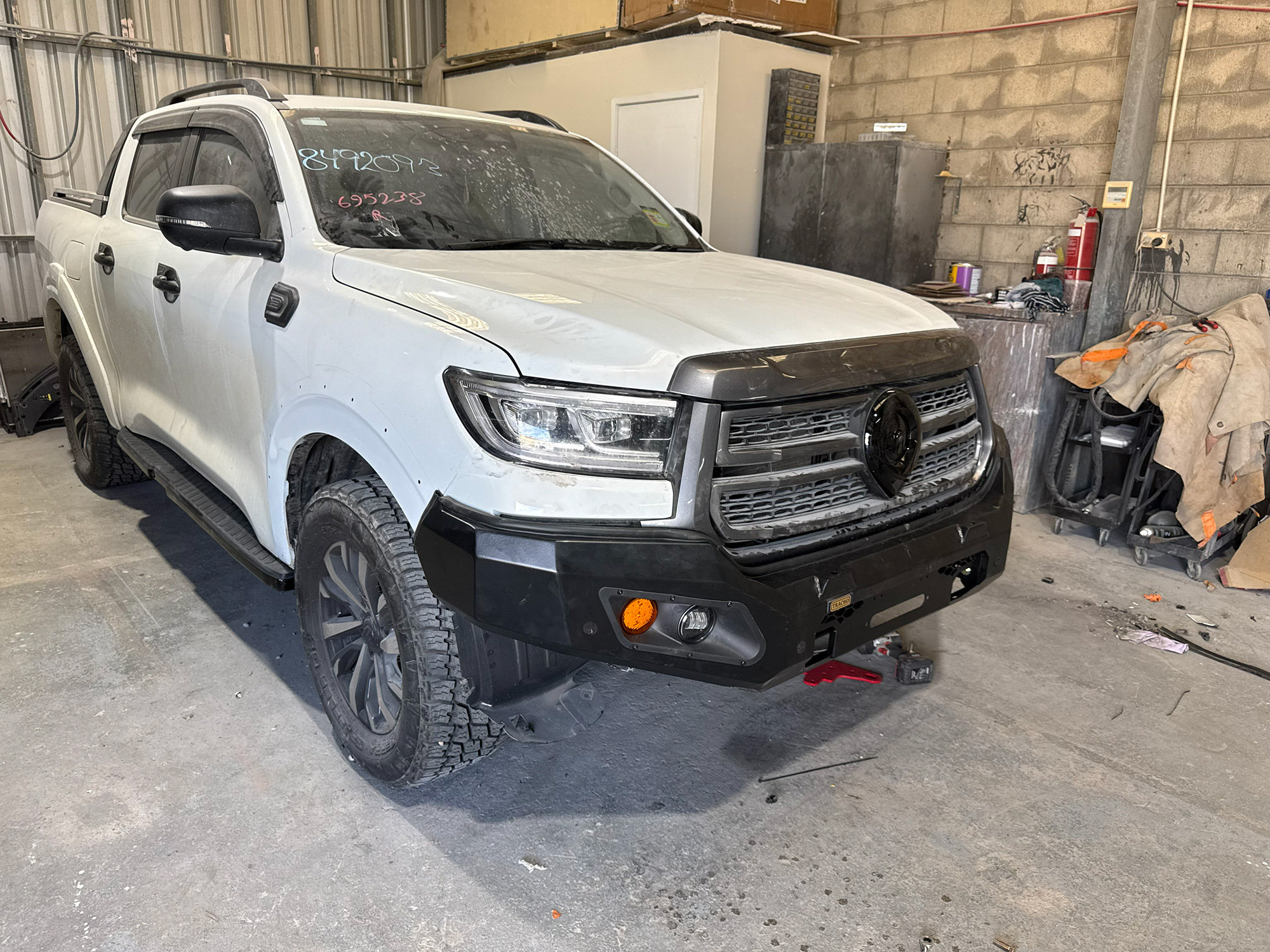
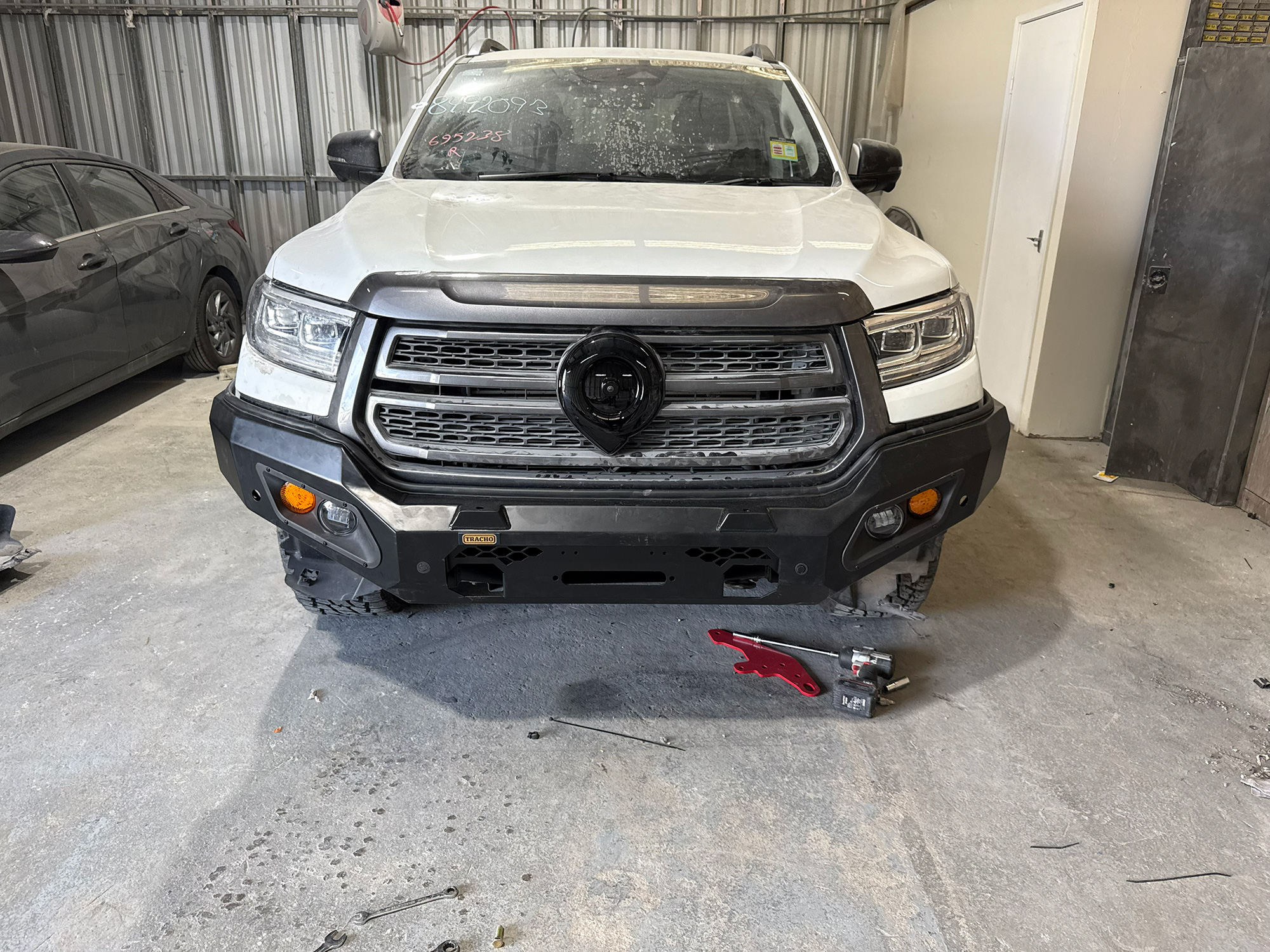
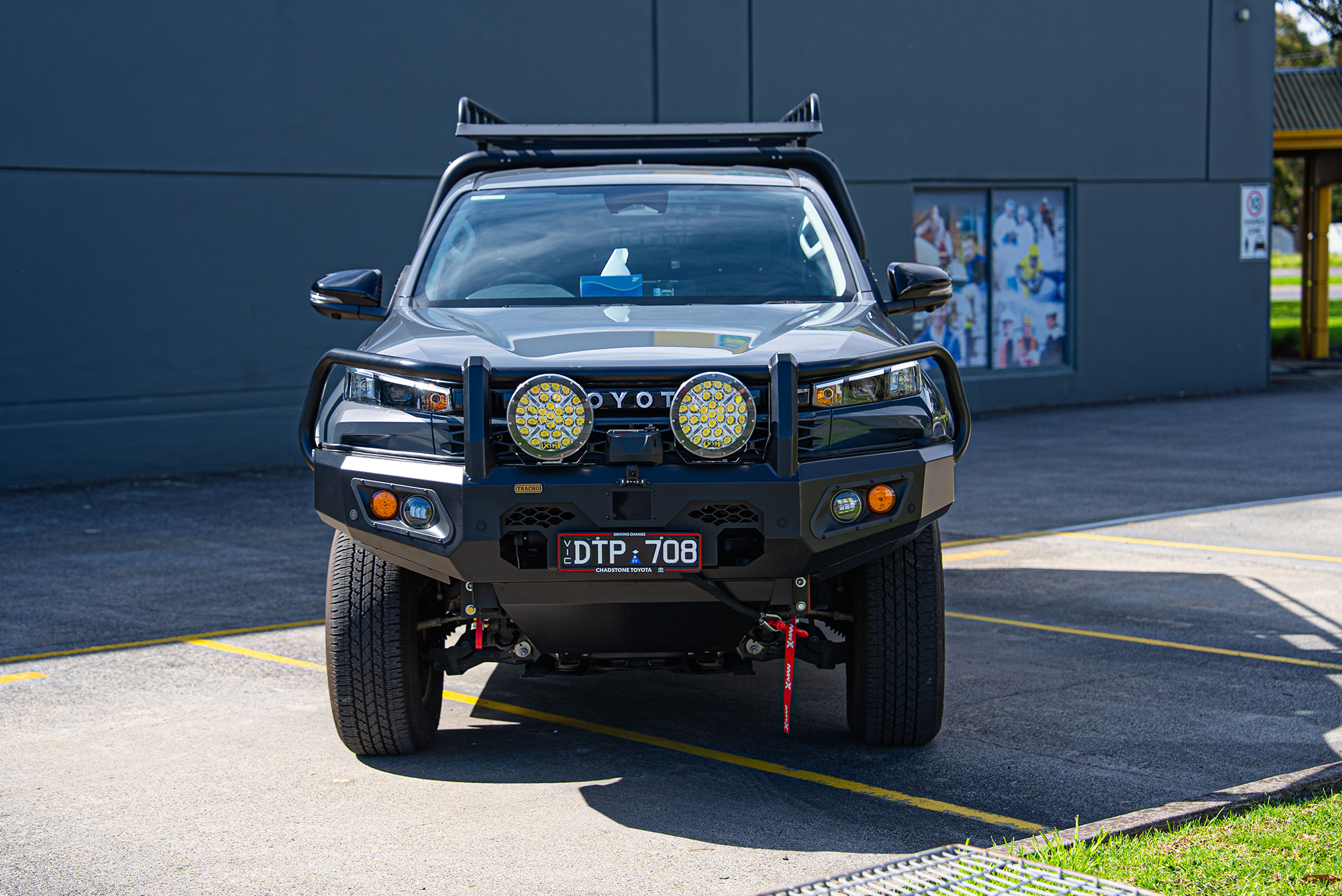
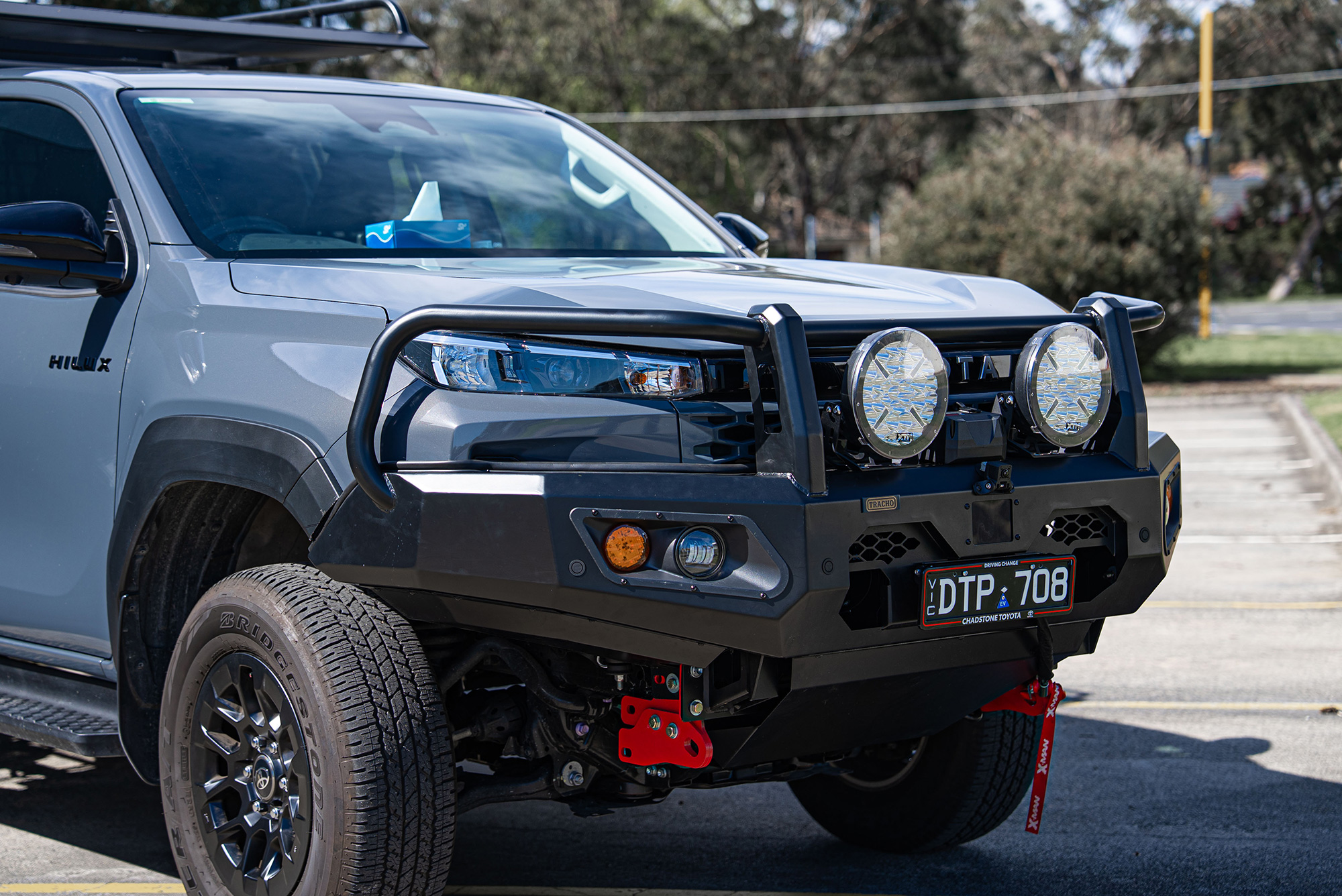
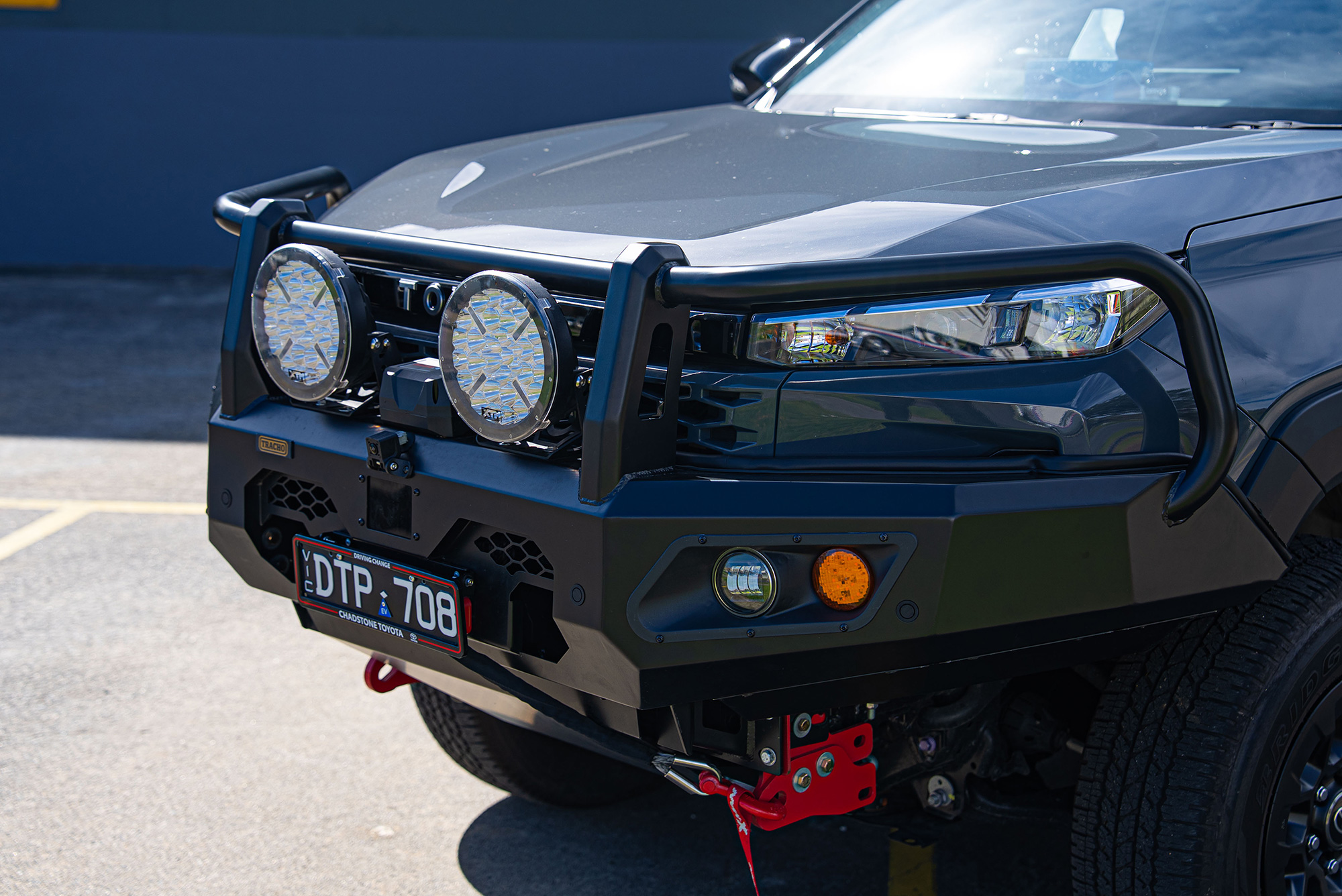
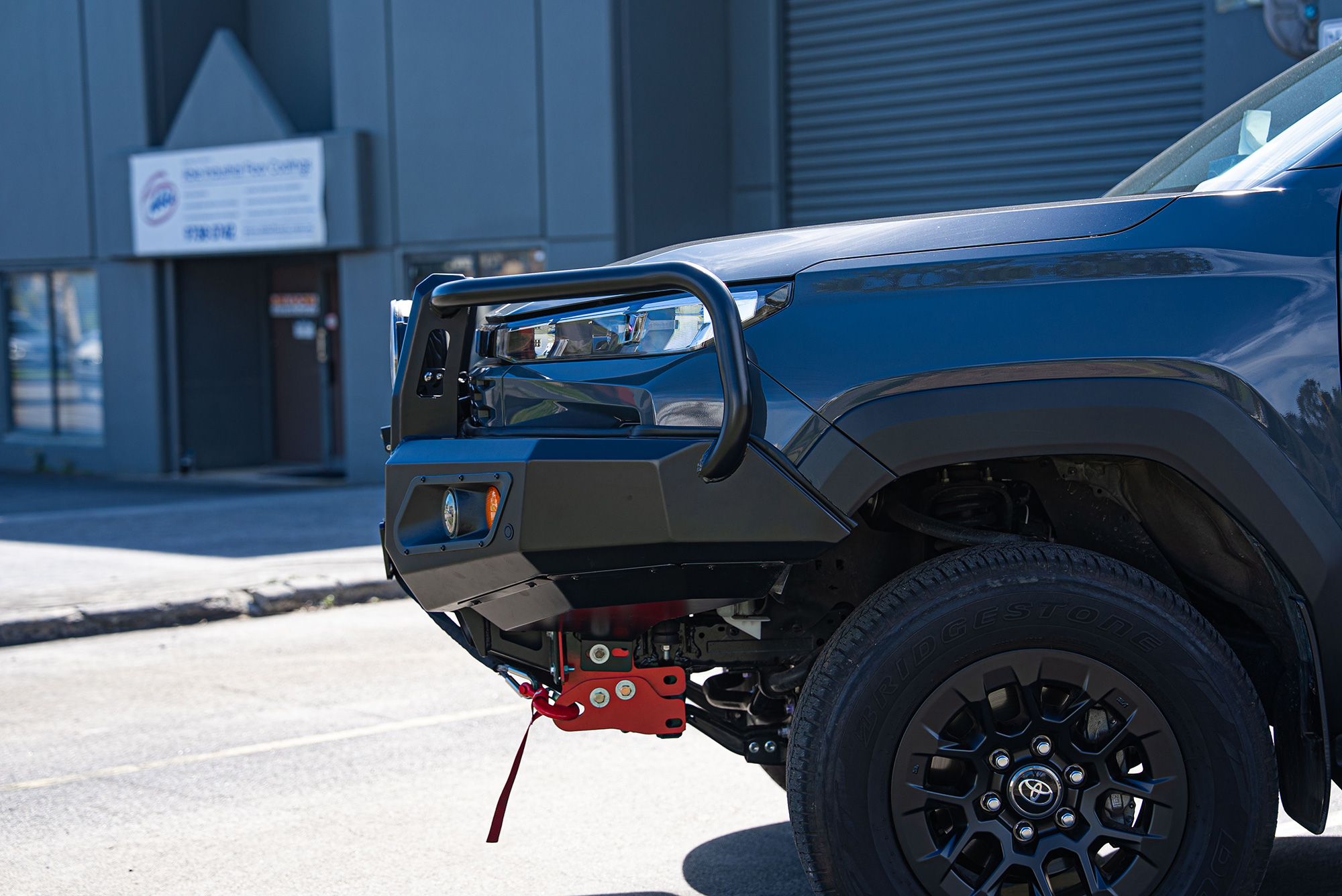
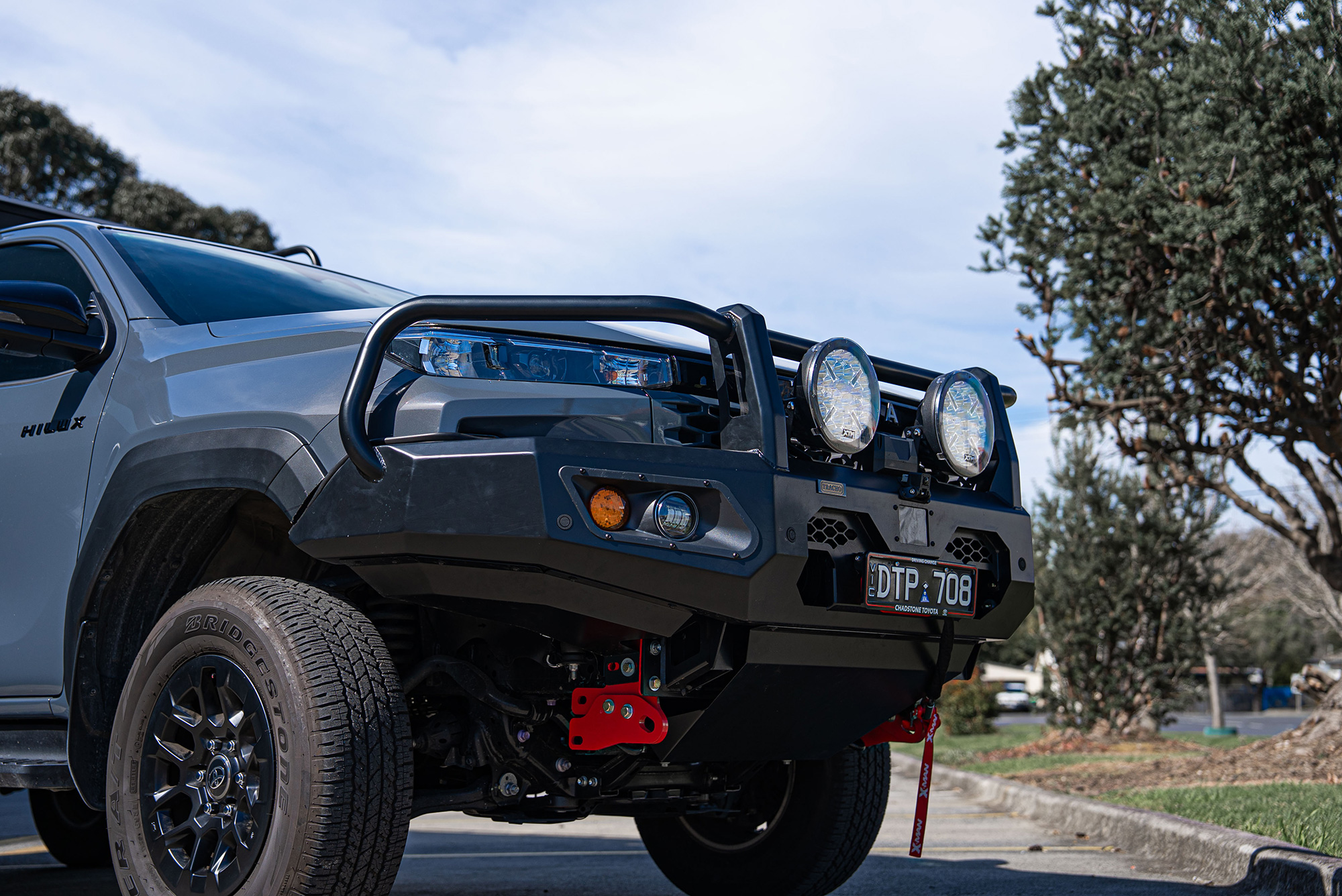
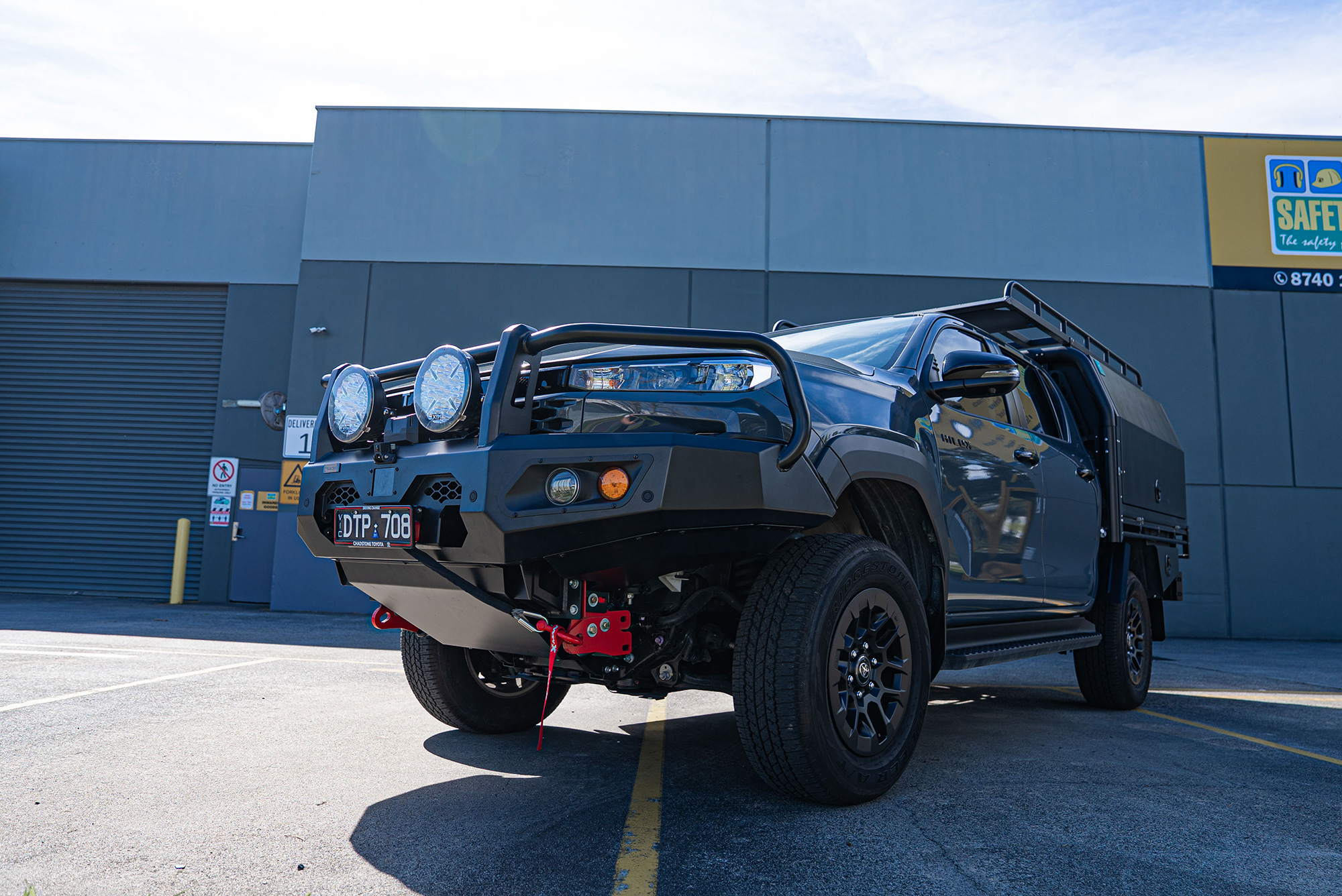
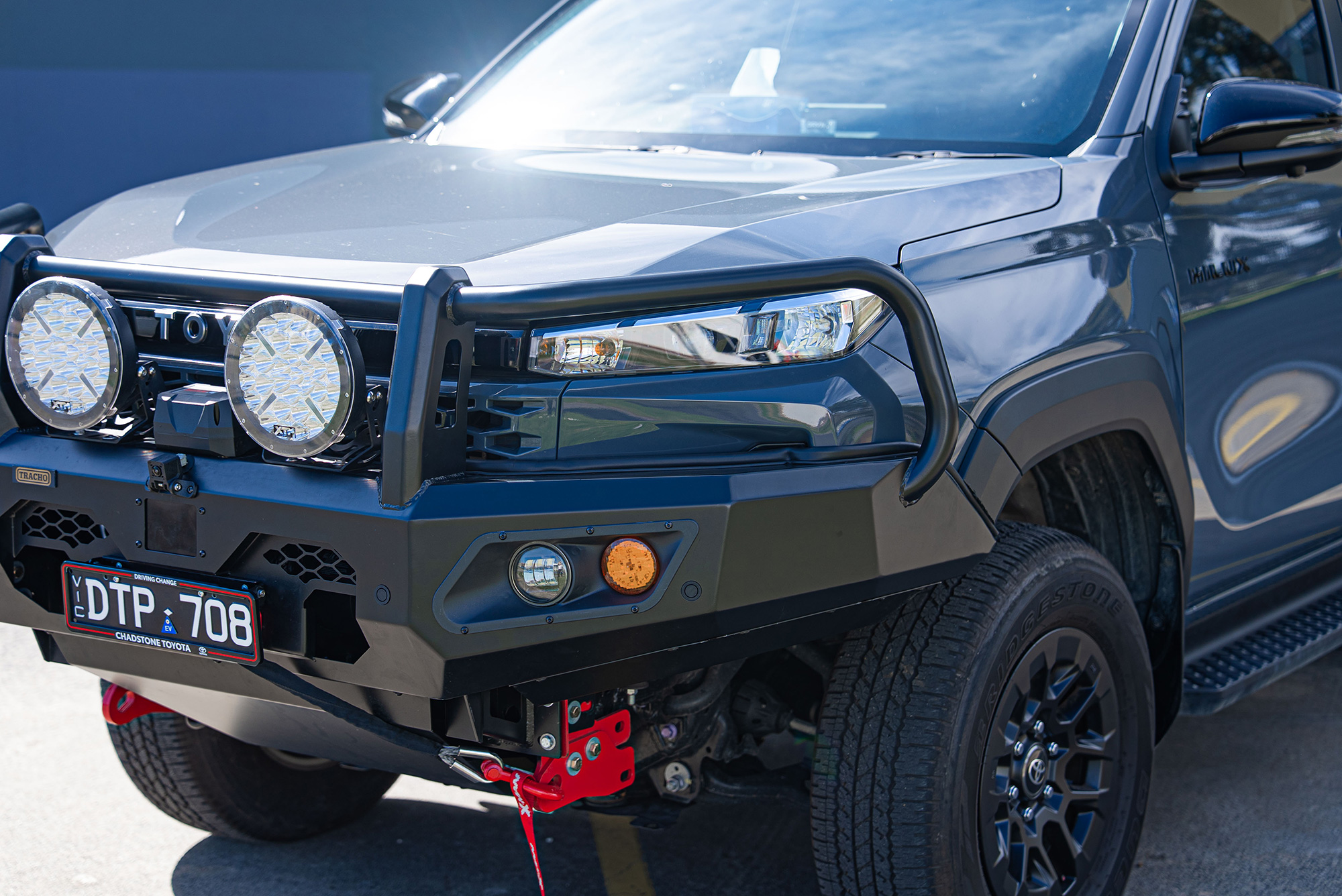
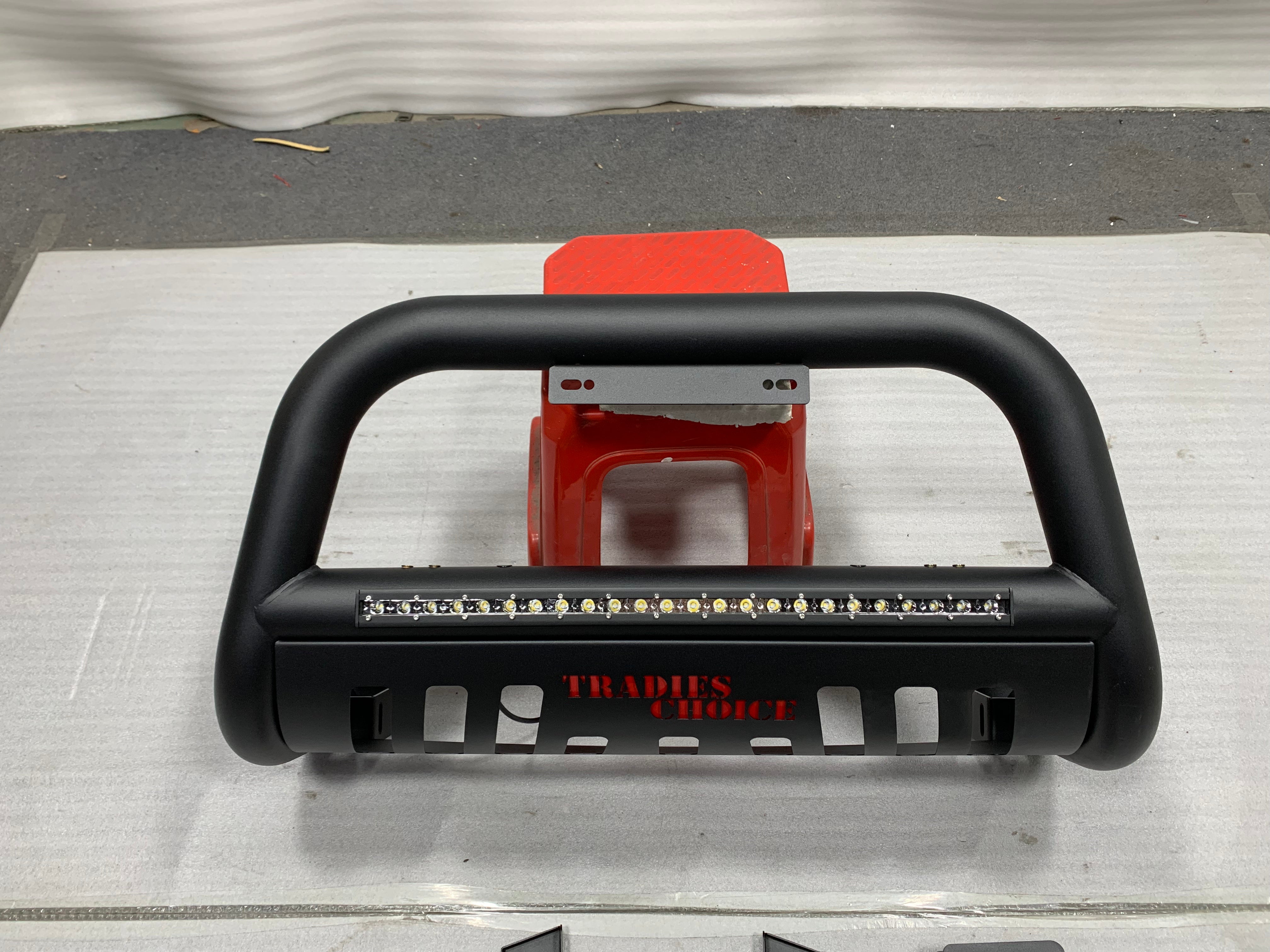
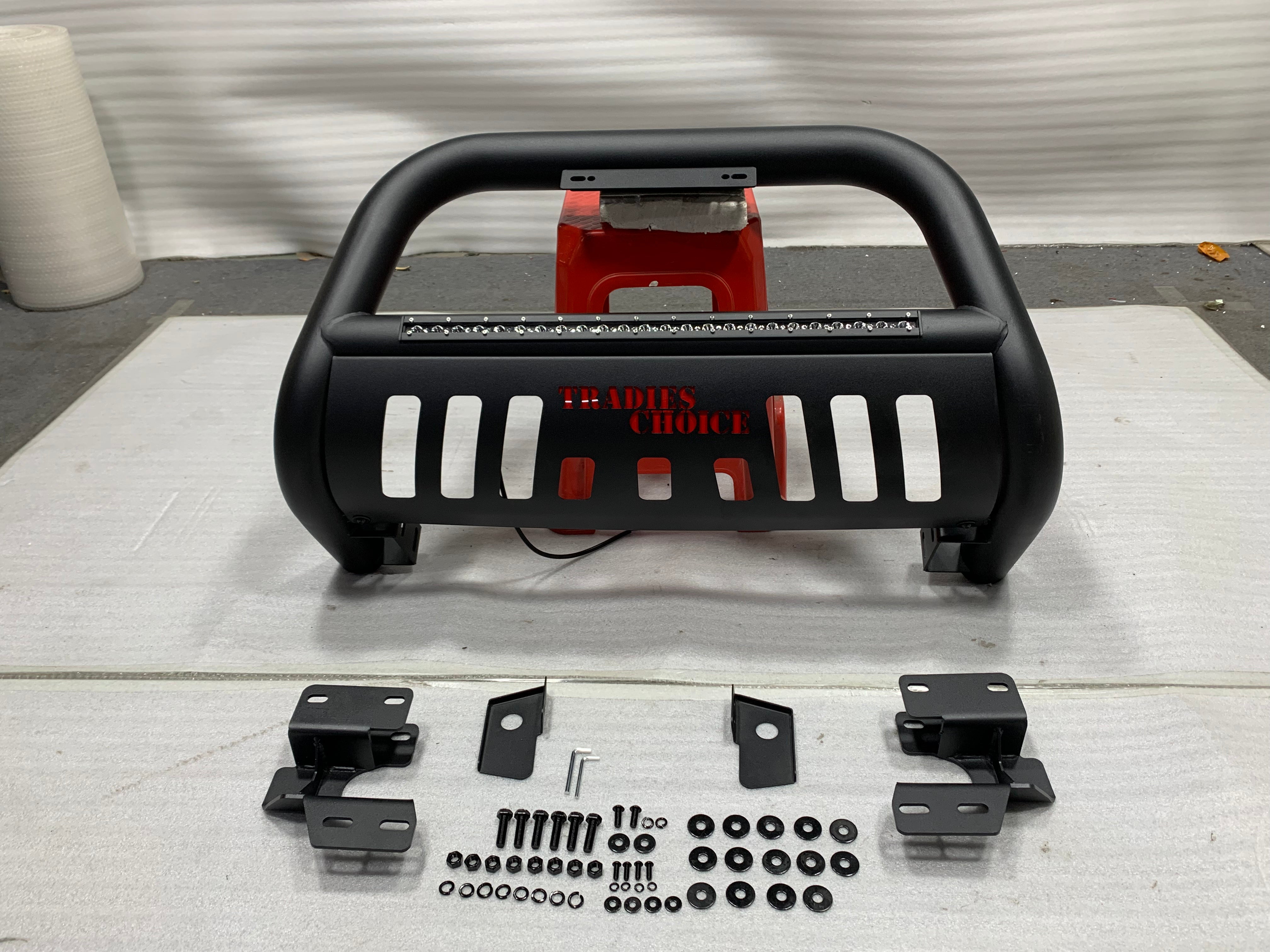
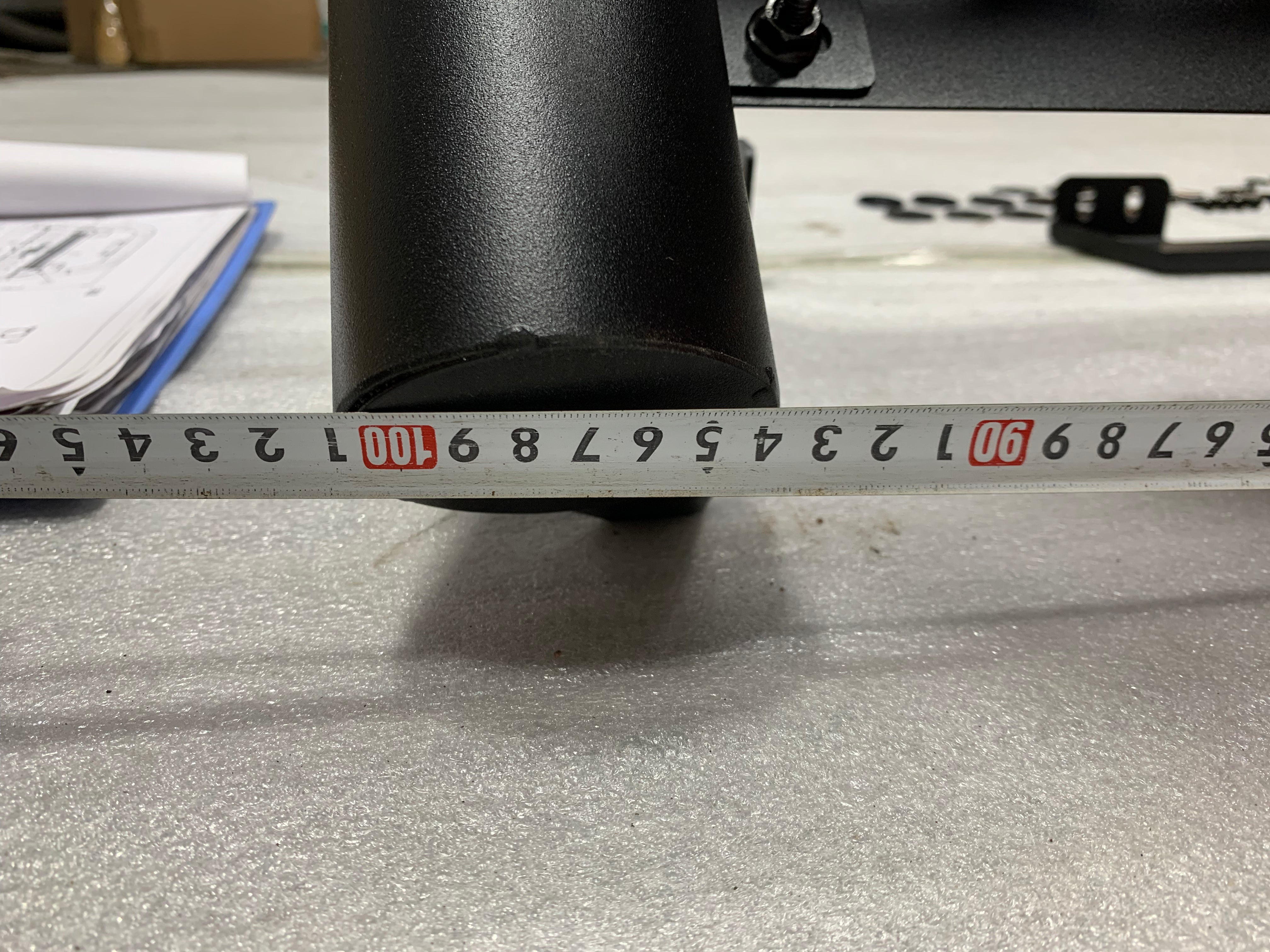
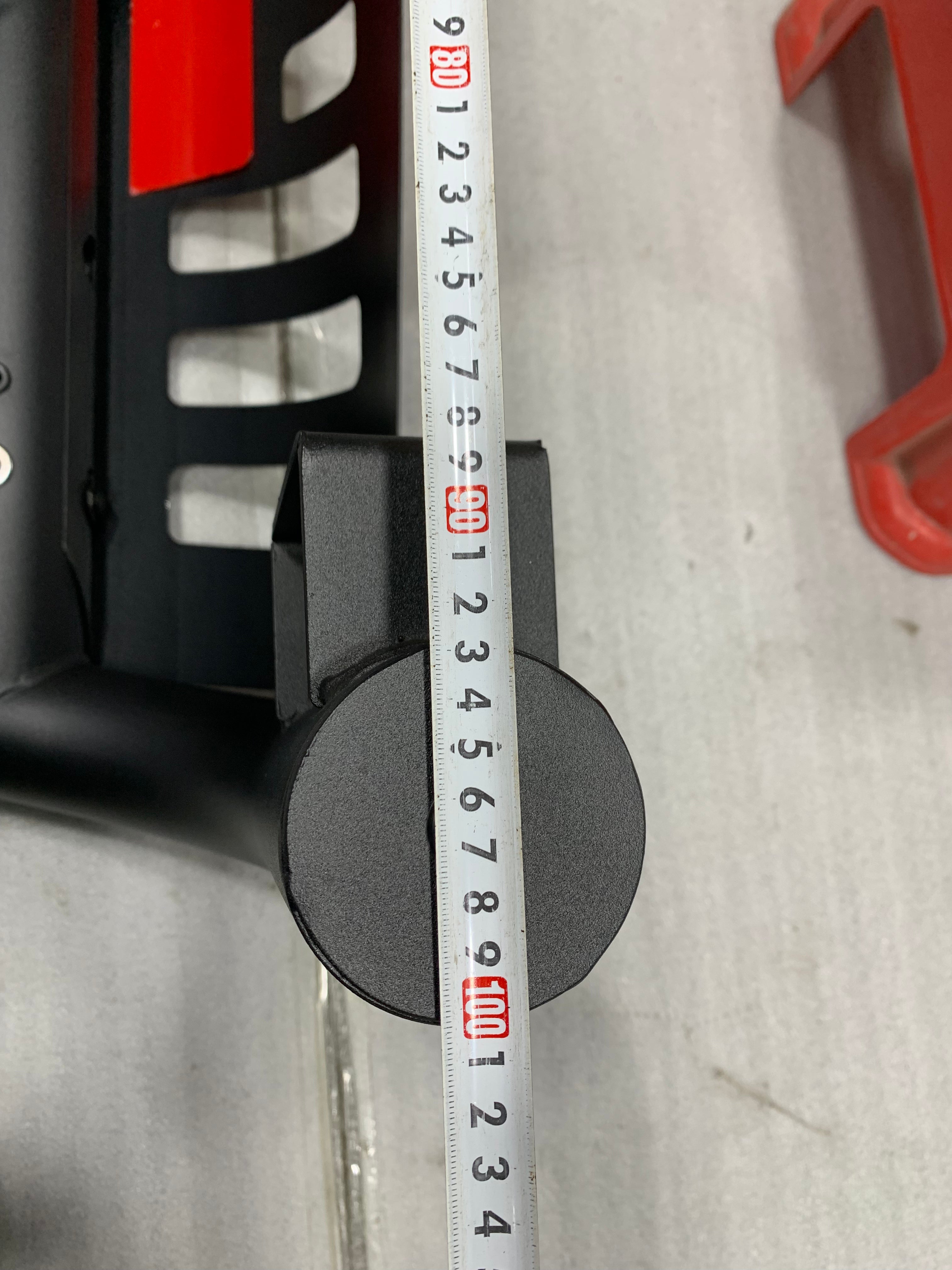
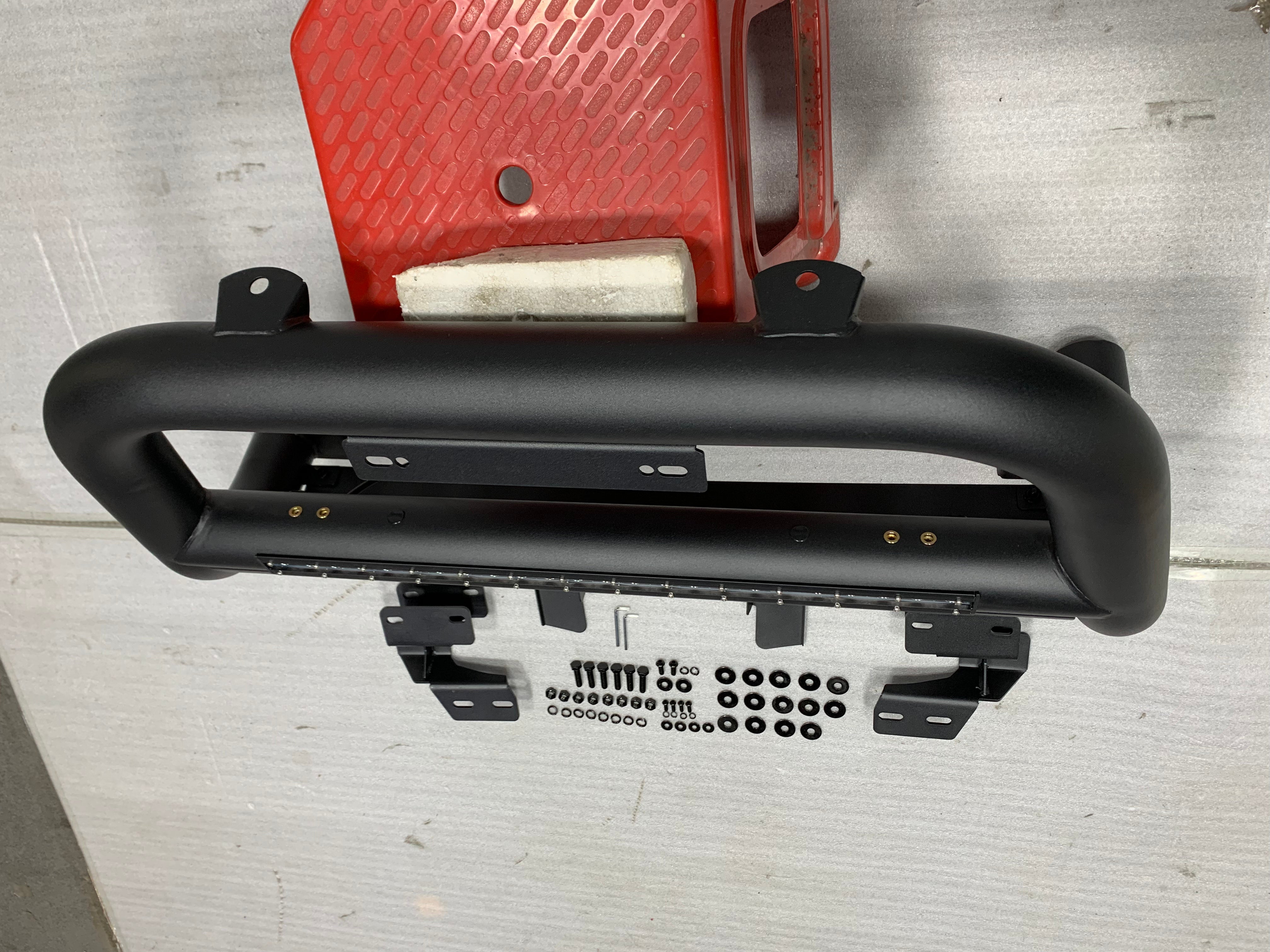
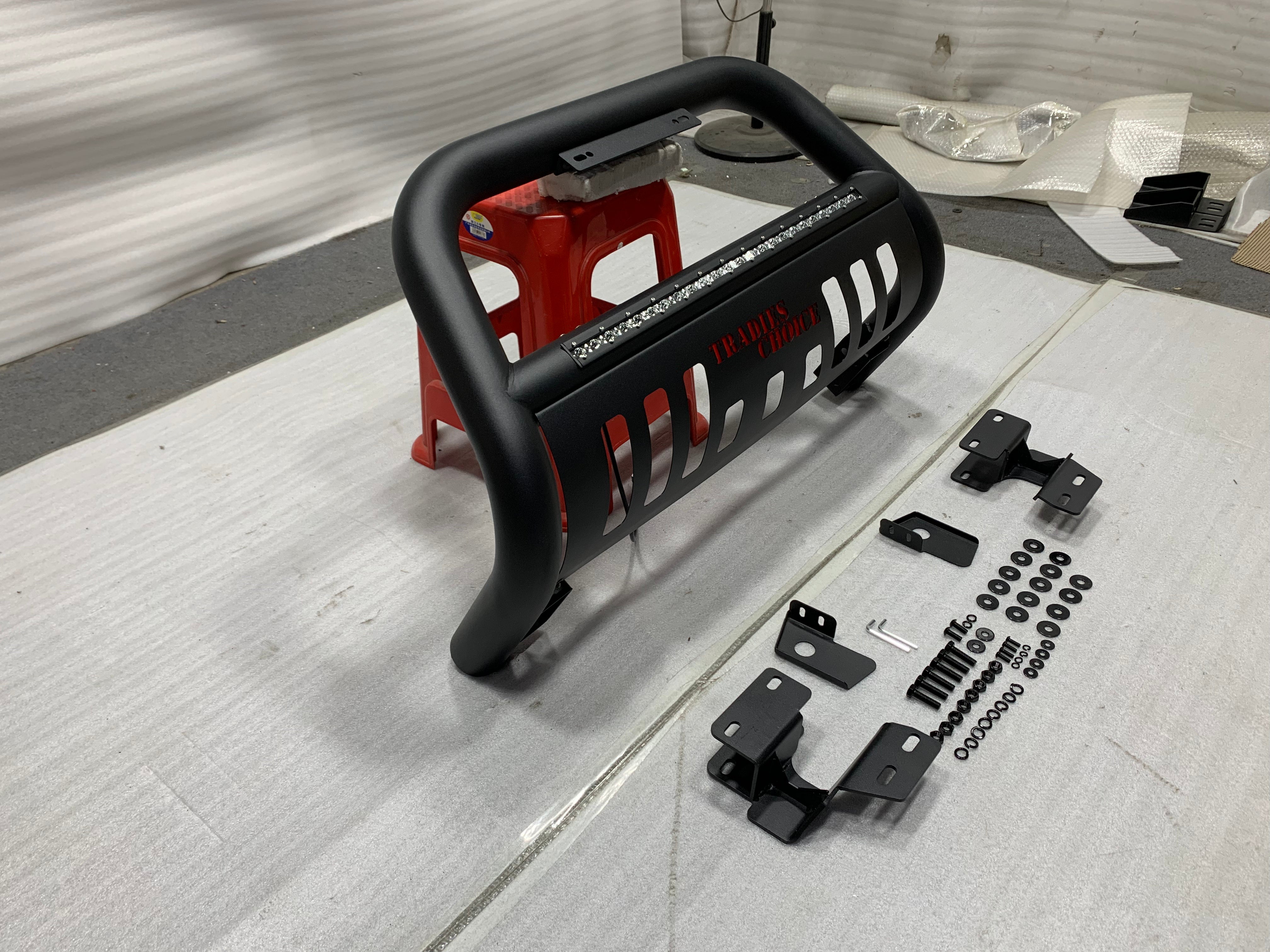
Will a Bull Bar Affect Parking Sensors, Radar or Cameras? What to Check Before You Buy
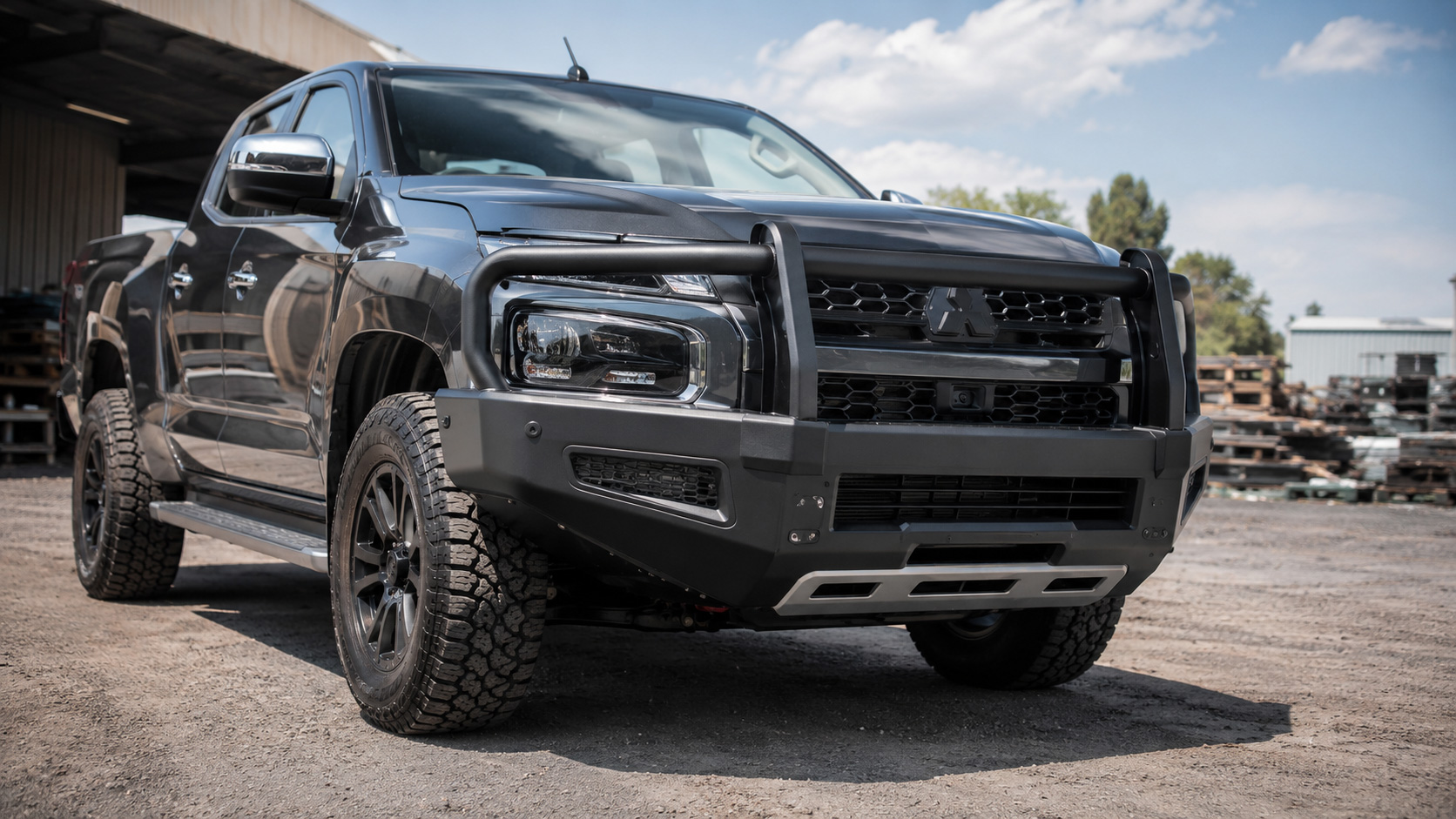
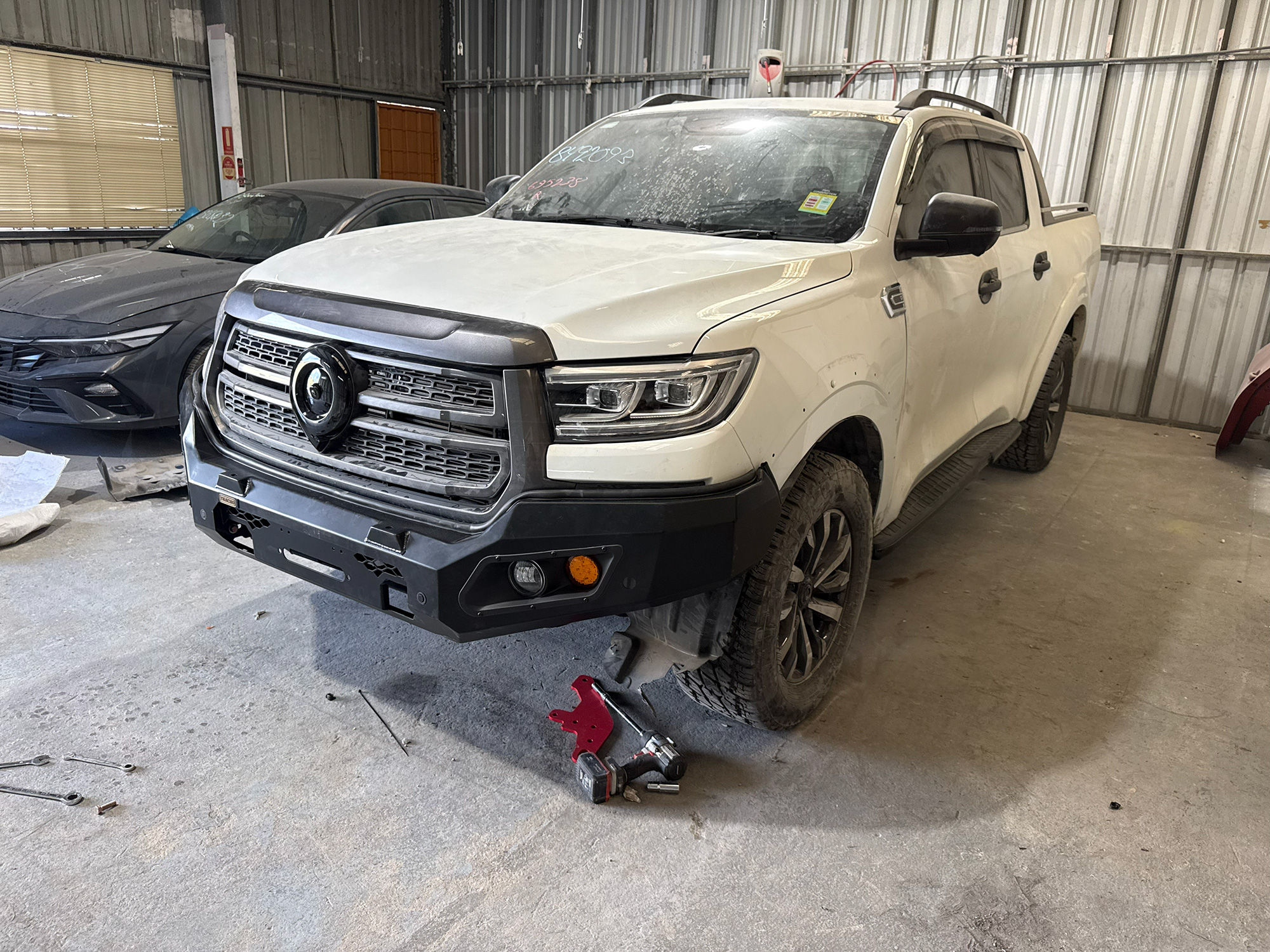
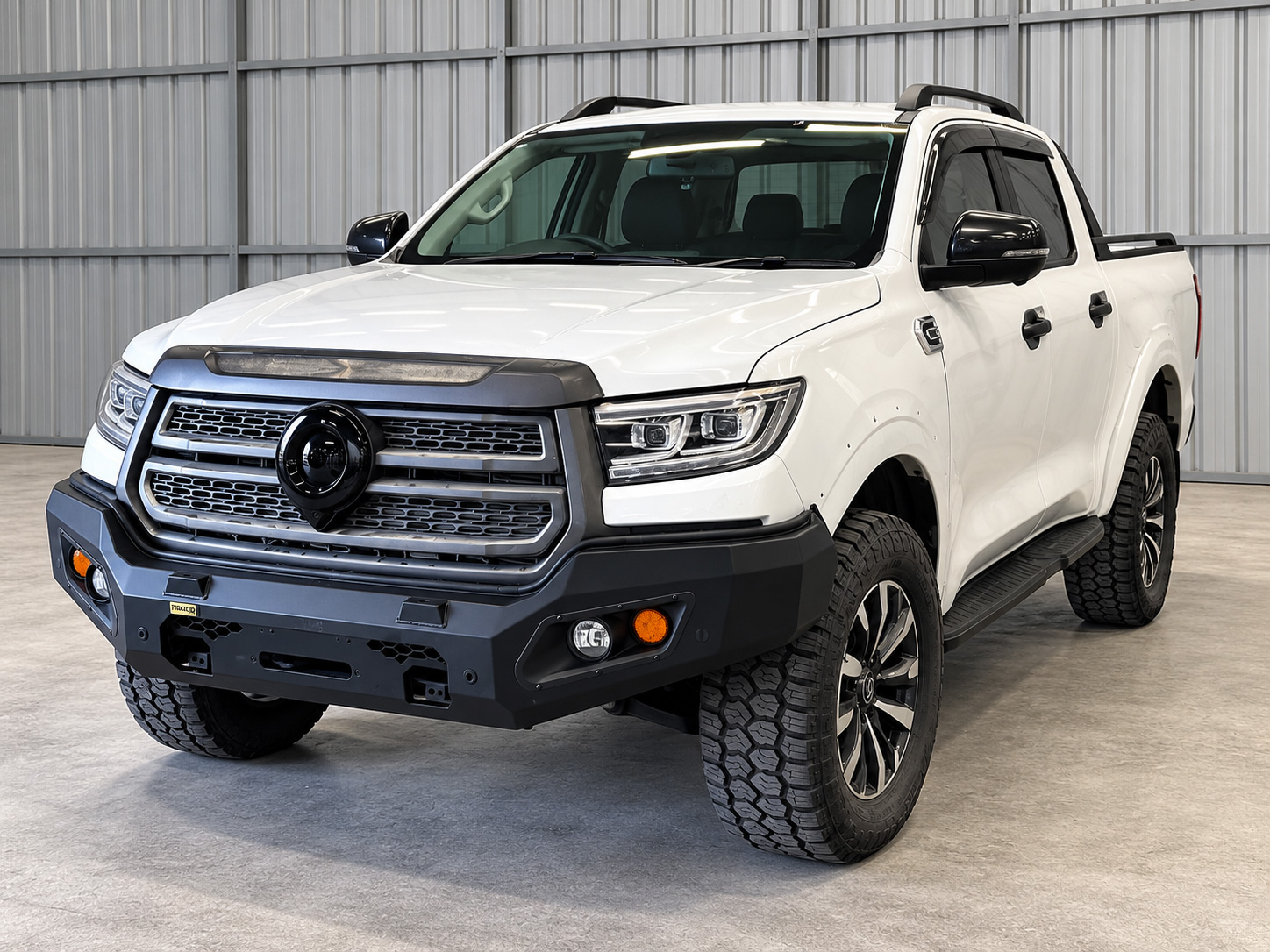
Modern utes and 4WDs have a lot more happening behind the front bumper than they used to. Parking sensors may sit across the bumper, a radar unit may support adaptive cruise or emergency braking, and cameras can form part of front-view or 360-degree systems. That means choosing a bull bar is no longer only about strength, weight and appearance.
A bull bar does not automatically stop these systems from working. The real issue is compatibility: the bar needs to suit the exact vehicle, its variant and the front-end technology fitted to it. A correctly matched setup can provide for the vehicle’s original hardware, while an incompatible or poorly positioned setup can create false warnings, blocked views or unavailable driver-assistance functions.
| The key point Do not assume that a bull bar is compatible simply because it fits the same make, model and year. Sensor, radar and camera equipment can differ between variants and option packages. |
First, Know What Your Vehicle Actually Has
Before comparing bull bars, work out what is actually fitted to the front of the vehicle. The names used for driver-assistance features can make this harder than it sounds because two systems with similar functions may use different hardware or place that hardware in different locations.
| Parking sensors Usually short-range sensors around the bumper that help detect nearby obstacles during low-speed manoeuvring. | Forward radar May support functions such as adaptive cruise control, forward collision warning or autonomous emergency braking, depending on the vehicle. |
| Front or surround cameras May provide a forward view or contribute to a 360-degree parking image. A clear, correctly positioned field of view matters. | Other driver-assistance hardware Exact equipment varies by make, model, year and variant. A system name alone does not tell you where every sensor is located. |
Sensors, Radar and Cameras Are Not the Same Thing
It is tempting to group all of this technology together as ‘sensors’, but each type of hardware has different requirements. A set of holes for parking sensors does not automatically mean a bull bar will also suit a radar unit or camera.
| System | What it generally needs |
| Parking sensor | A clear detection area, correct orientation and a position that does not cause the bar itself to be read as an obstacle. |
| Forward radar | The intended location and alignment, with the required operating area kept clear. |
| Camera | An unobstructed field of view and the correct position for the function it supports. |
| Driver-assistance system | Reliable input from the camera, radar or other hardware that the specific vehicle uses. |
Does a Bull Bar Automatically Cause Problems?
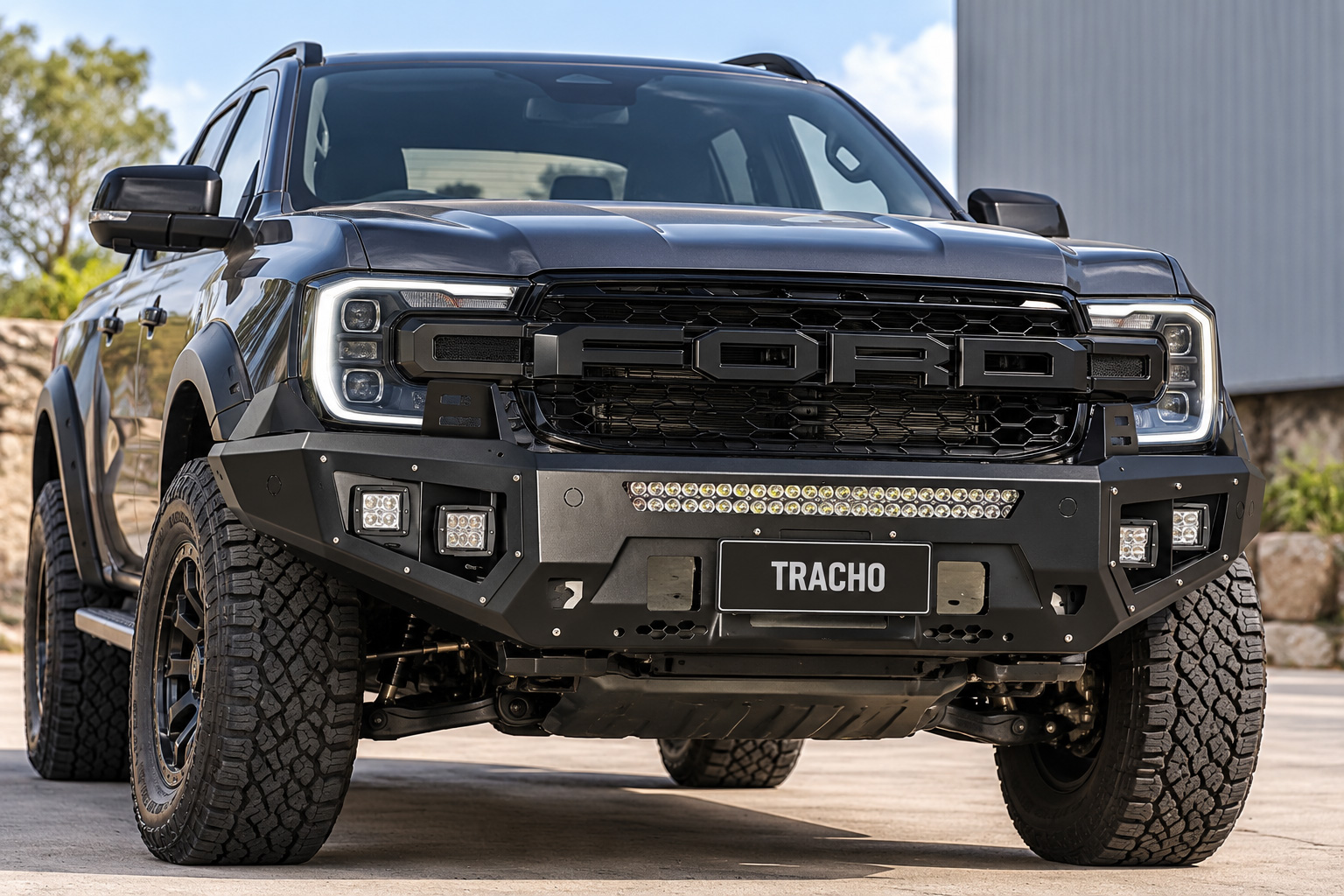
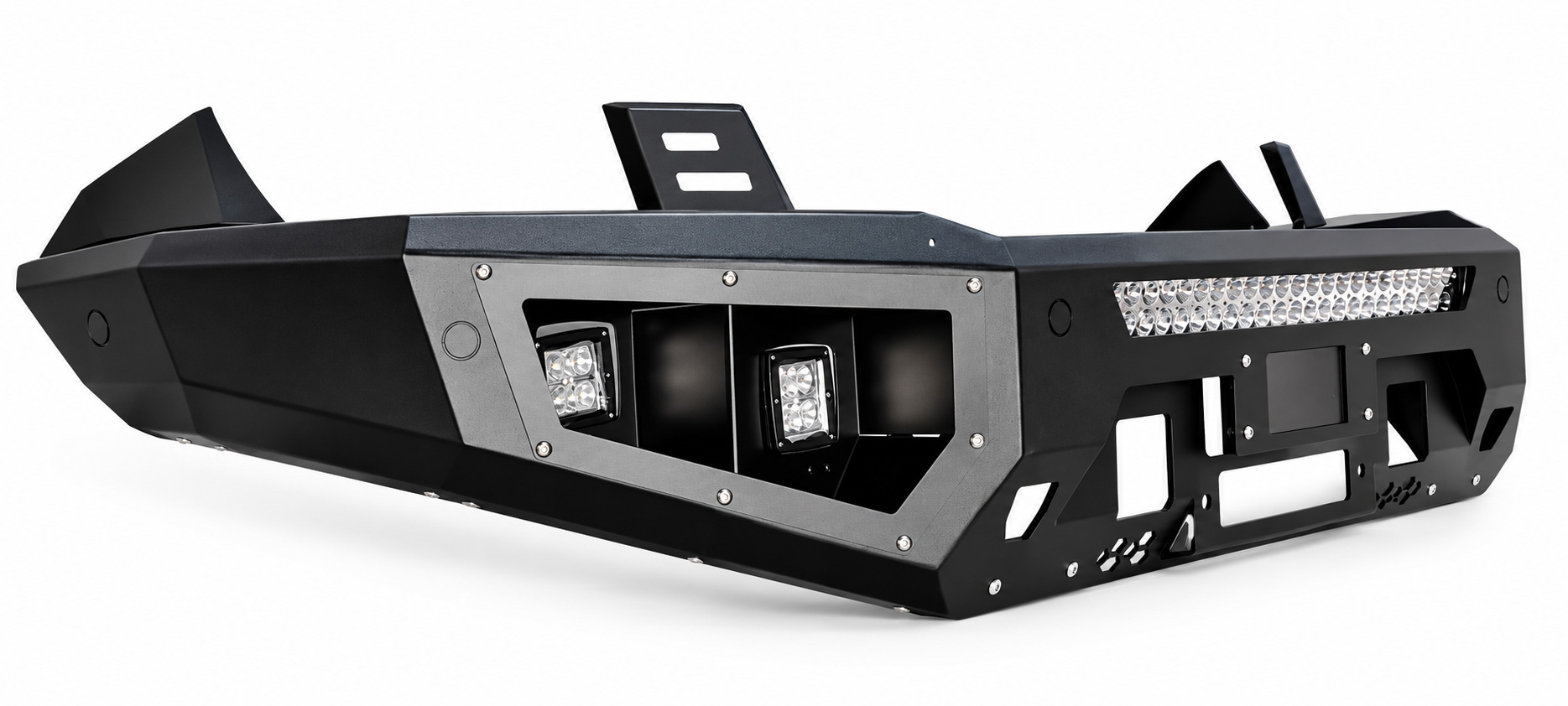
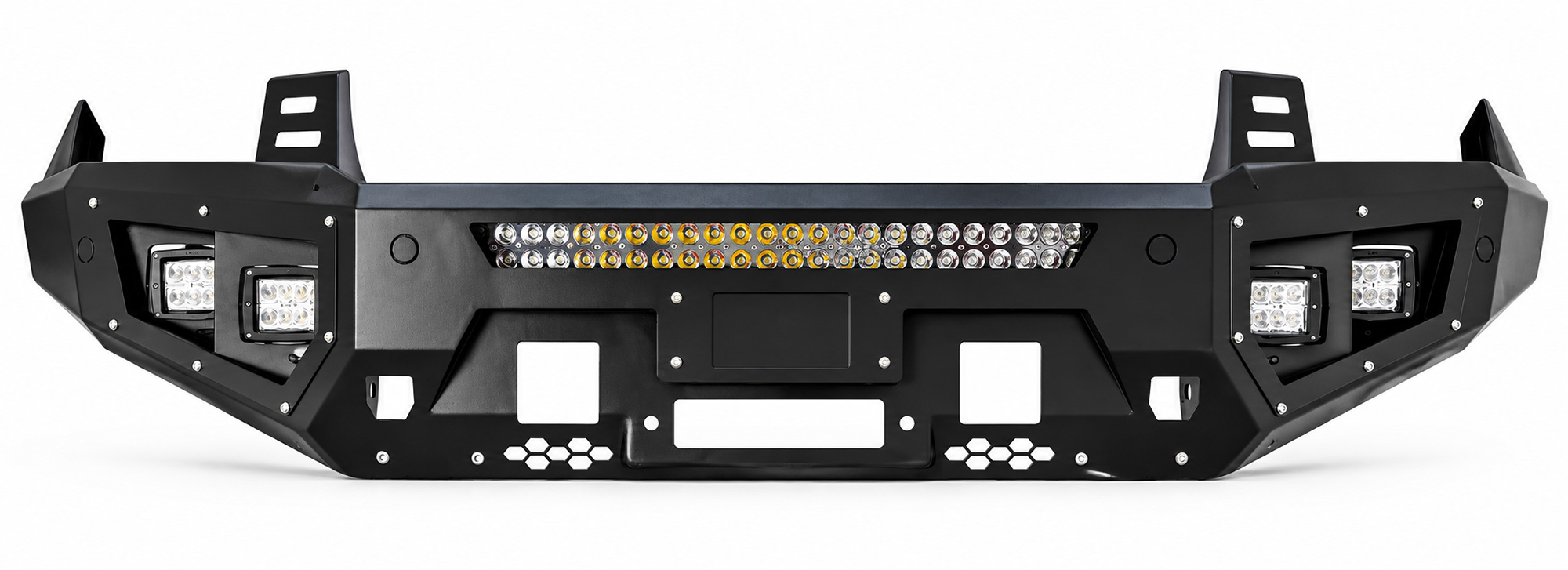
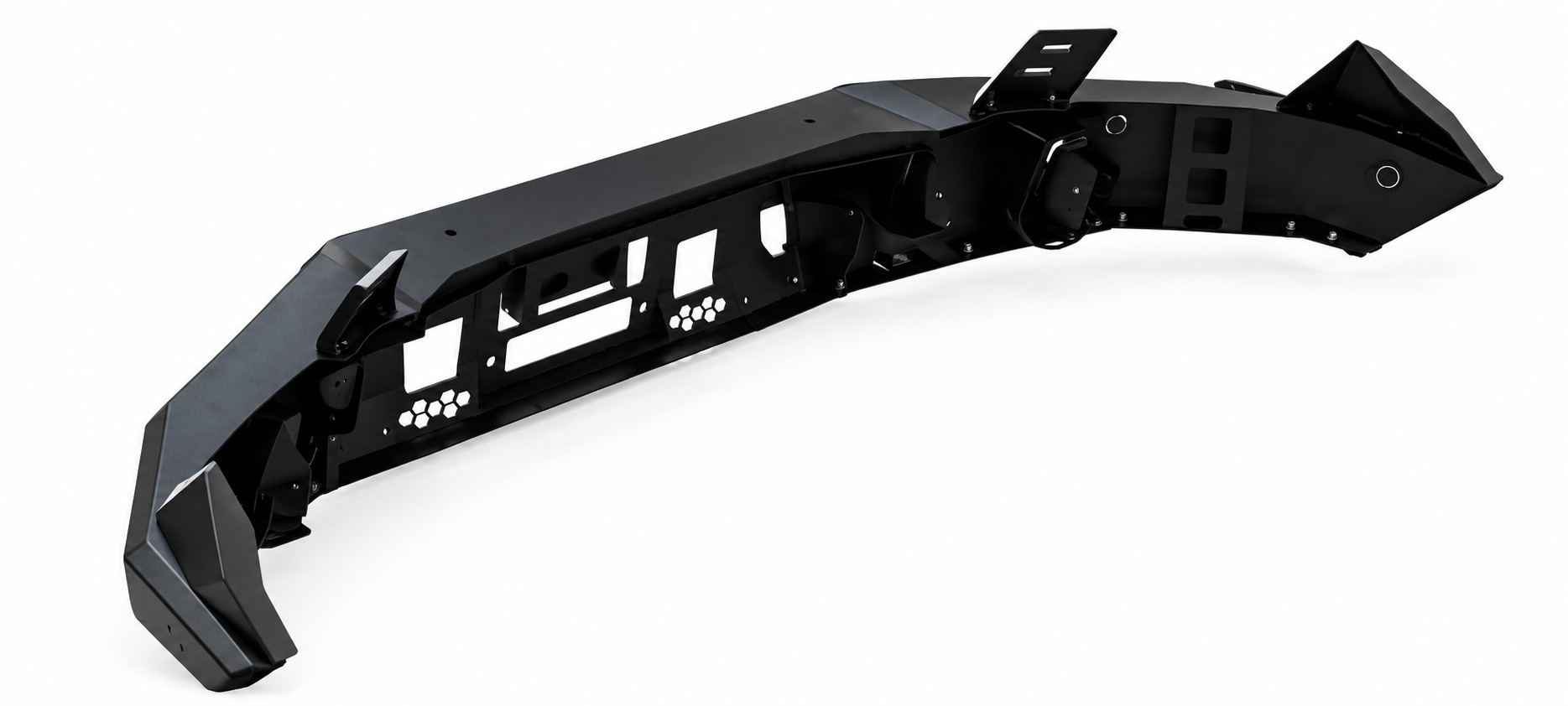
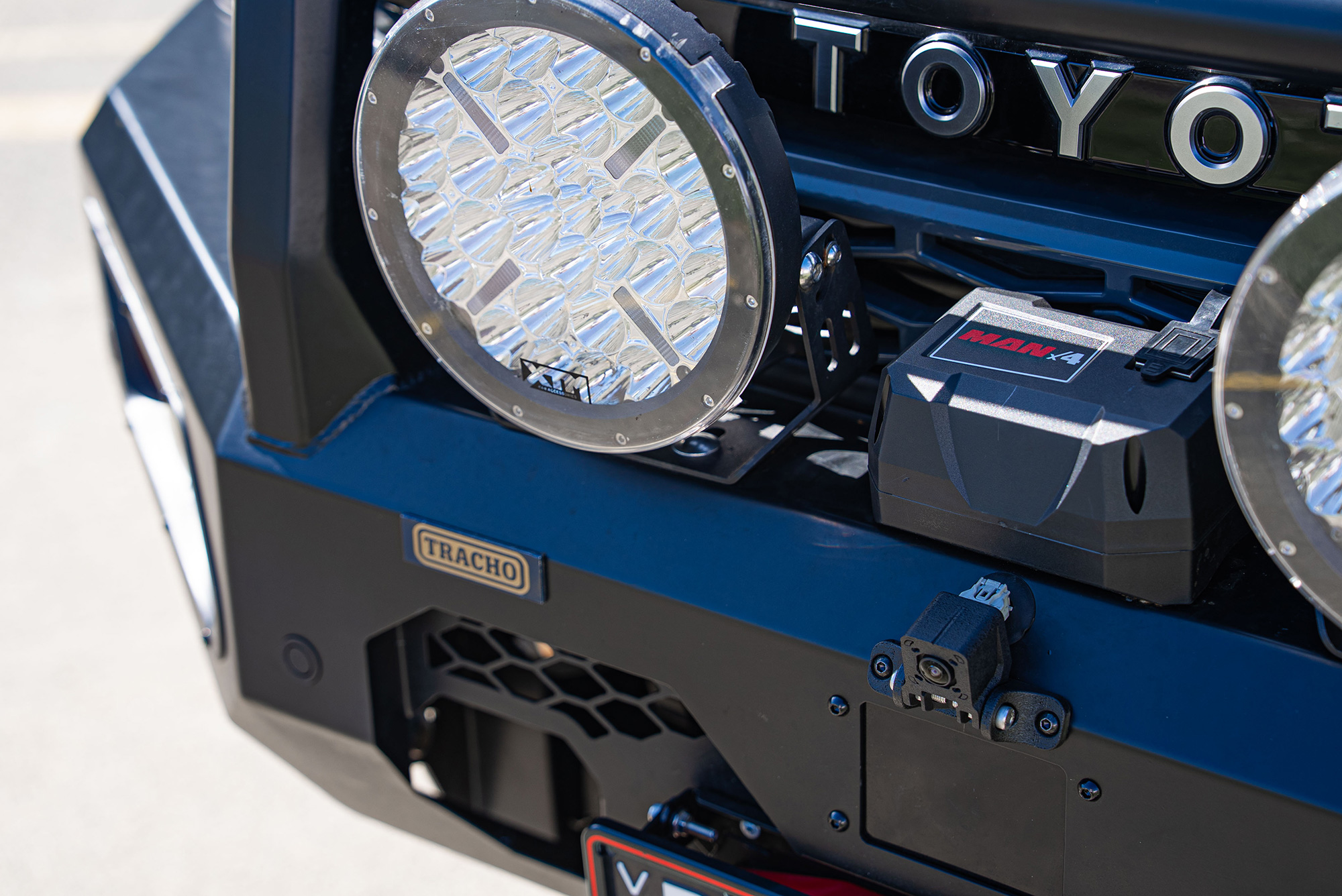
No. Modern bull bars can be designed around vehicles that have parking sensors, cameras and driver-assistance hardware. Depending on the design, there may be dedicated sensor positions, camera provisions, brackets or openings intended to retain factory equipment.
The important part is that this has to be confirmed for the particular vehicle. A bar that is suitable for one Ranger, Hilux or D-MAX configuration cannot automatically be assumed to support every technology package offered across that model range.
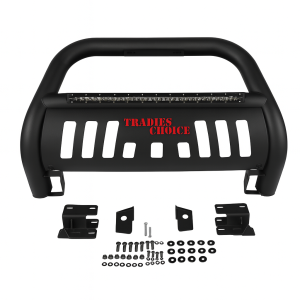
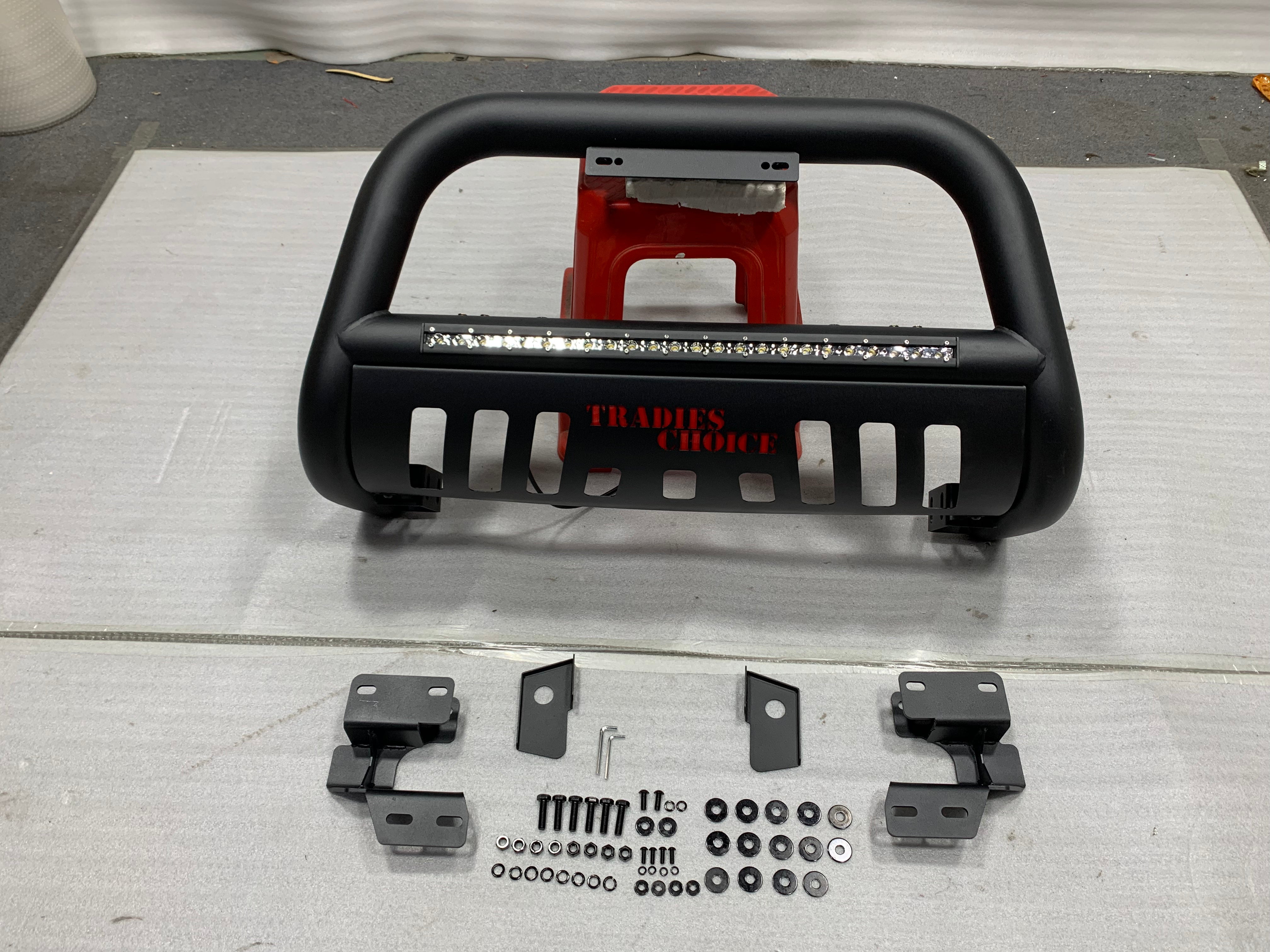
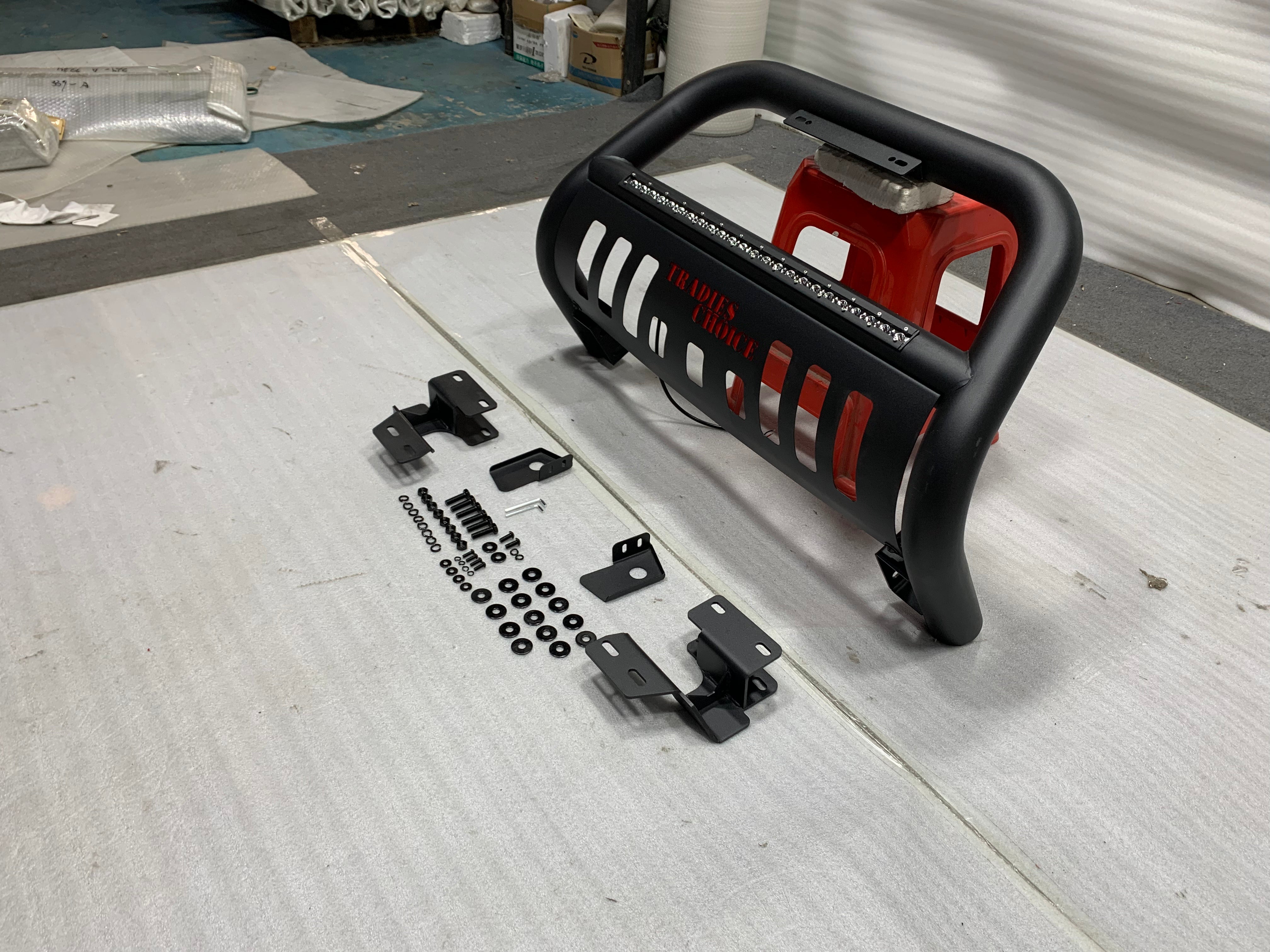
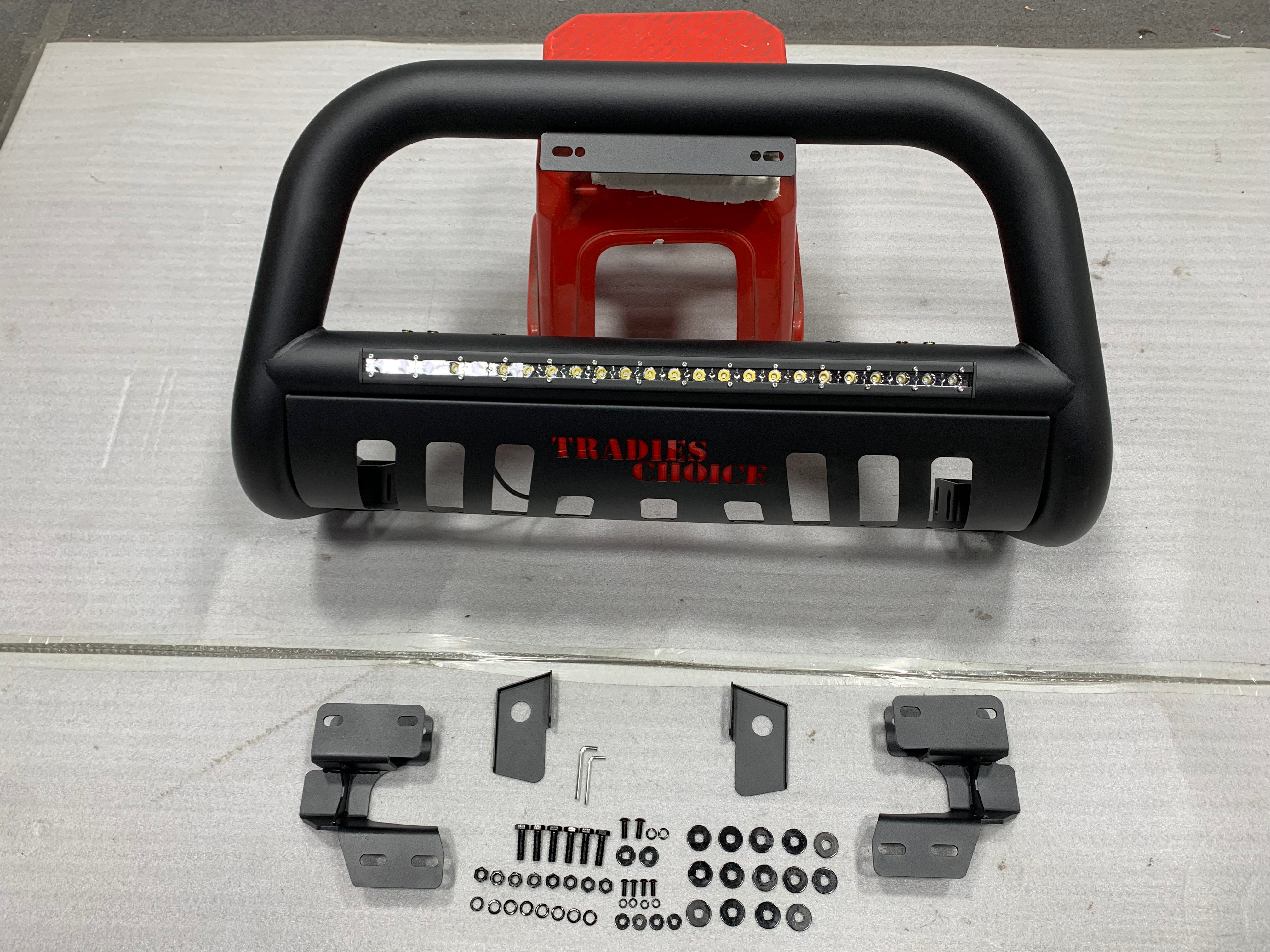
Tradies Choice lists vehicle-specific bull bars, and where modern front-end technology is relevant, compatibility should be checked before fitting rather than treated as a universal feature.
Where Problems Can Actually Come From
| 01 Blocked Part of the bar, a bracket or another accessory sits in the operating area of a sensor, radar unit or camera. | 02 Moved Factory hardware is relocated but no longer sits where the vehicle system expects it to be. |
| 03 Misaligned A directional sensor or camera is mounted at an incorrect angle or position, which can affect what it sees. | 04 Wrong specification The bull bar fits the body shape but was not intended for that exact variant or technology package. |
The Compatibility Check Before You Buy
The most useful time to deal with compatibility is before the bull bar is ordered. A five-point check avoids relying on appearance alone.
| Check | What to confirm |
| 1. Make | The vehicle manufacturer. |
| 2. Model | The exact model, not simply the general vehicle type. |
| 3. Year / generation | The relevant build range or generation for the bar. |
| 4. Variant | For example, whether the product is limited to specific trim levels or front-end configurations. |
| 5. Front-end technology | Parking sensors, front camera, radar, adaptive cruise, AEB and any other relevant factory equipment. |
If you are unsure about the last point, check the vehicle specification, owner’s information or the hardware visible on the vehicle rather than guessing from the bumper. This is especially important on newer models where technology packages can change between variants.
What About ADAS Calibration?
ADAS is a broad term for advanced driver-assistance systems. Whether any calibration or system check is required after a bull bar is fitted depends on the vehicle, the hardware involved and what was disturbed during the work.
There is no useful blanket rule that every bull bar installation needs calibration. However, if a radar unit, camera or other relevant sensor has been removed, relocated or had its mounting position changed, the manufacturer’s procedures and the requirements of that specific system should be followed. The same applies if the vehicle reports a warning after the work is completed.
What Should You Check After Fitting?
After fitting, normal operation should still feel normal. A persistent warning or a feature behaving differently is a reason to investigate, not something to dismiss as an unavoidable side effect of having a bull bar.
| Post-fit reality check Look out for persistent dashboard warnings, unusual parking-sensor behaviour, adaptive cruise or AEB unavailable messages, repeated false obstacle alerts, or a front-camera view that is partly obscured. |
The appropriate response depends on the vehicle and system involved, but the principle is simple: if a factory safety or assistance feature changes after fitment, have the compatibility and installation checked.
Accessories Mounted on the Bull Bar Matter Too
Compatibility does not end once the bar itself is fitted. Driving lights, LED light bars, antennas, number-plate brackets and other accessories can change what sits in front of the vehicle’s original hardware.
A bull bar may be designed to leave a radar or camera operating area clear, only for a later accessory to be mounted directly in that space. This is another reason to think about the whole front-end setup rather than assessing each accessory in isolation.
If lighting is part of the plan, our guide to LED light bars vs driving lights covers the practical differences between the two without treating either option as universally better.
Australian Requirements Still Matter
Bull bars are vehicle modifications, and applicable requirements can vary by state or territory as well as by vehicle. The important buying principle is to choose a bar intended for the vehicle and to make sure the finished setup does not compromise required vehicle equipment.
Compatibility Comes Before Strength or Styling
When shopping for a bull bar, it is natural to start with visible differences: steel or alloy, black or polished, full coverage or a smaller design. Those choices matter, but on a modern vehicle they come after one more basic question: does the bar work with the exact vehicle in front of you?
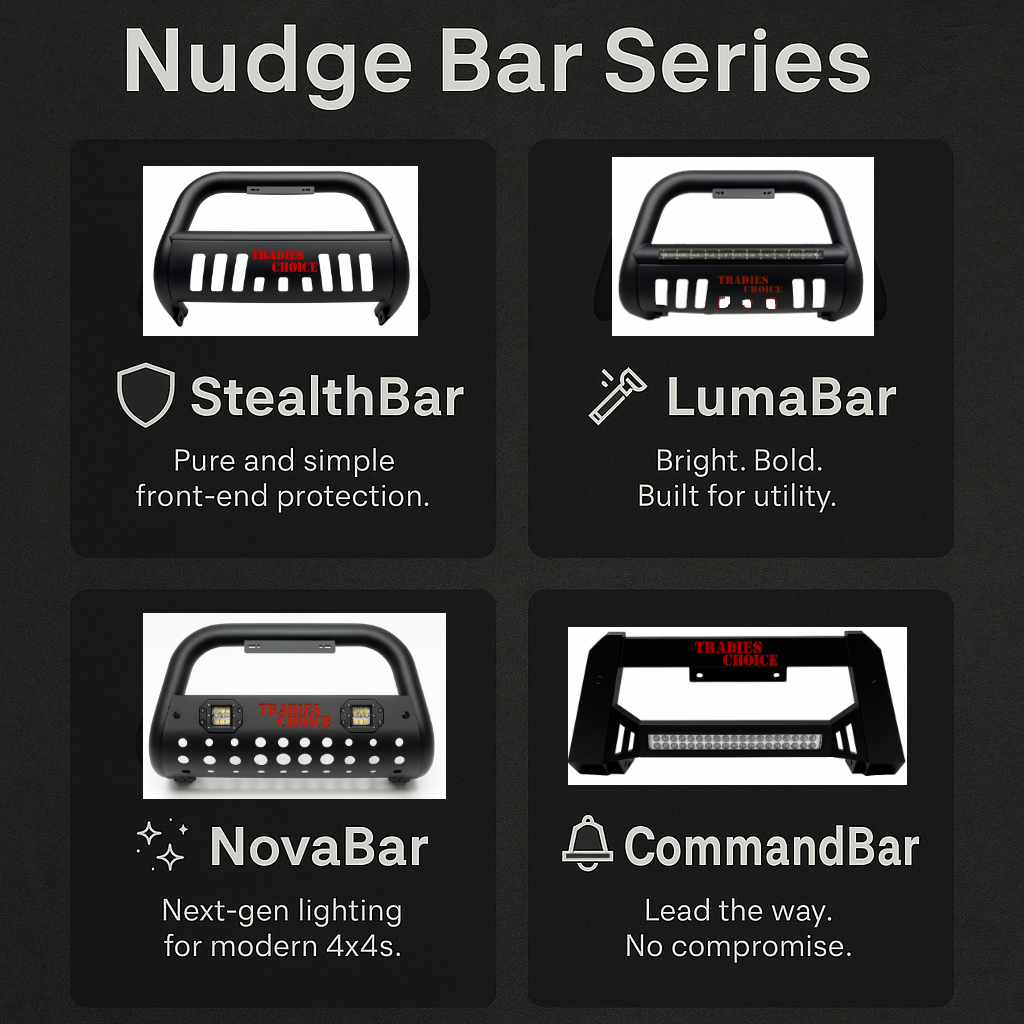
Once compatibility is confirmed, then it makes sense to compare material, weight, protection level, accessory mounting and appearance. If you are still choosing between bar types, the existing guide on bull bars vs nudge bars explains the practical difference, while our steel vs alloy bull bar guide looks specifically at material choice.
So, Will a Bull Bar Affect Your Sensors?
A bull bar can affect parking sensors, radar or cameras if the setup blocks, relocates or misaligns hardware that the vehicle relies on. That does not mean modern vehicles and bull bars are incompatible. It means the match needs to be more specific than make, model and year alone.
Confirm the exact variant and front-end technology first, then choose a bar designed around that configuration. If sensors or cameras are moved during fitting, or a warning appears afterwards, follow the requirements for that vehicle rather than accepting reduced functionality as normal.
For a modern ute or 4WD, compatibility is not an extra feature. It is part of choosing the right bull bar in the first place.