
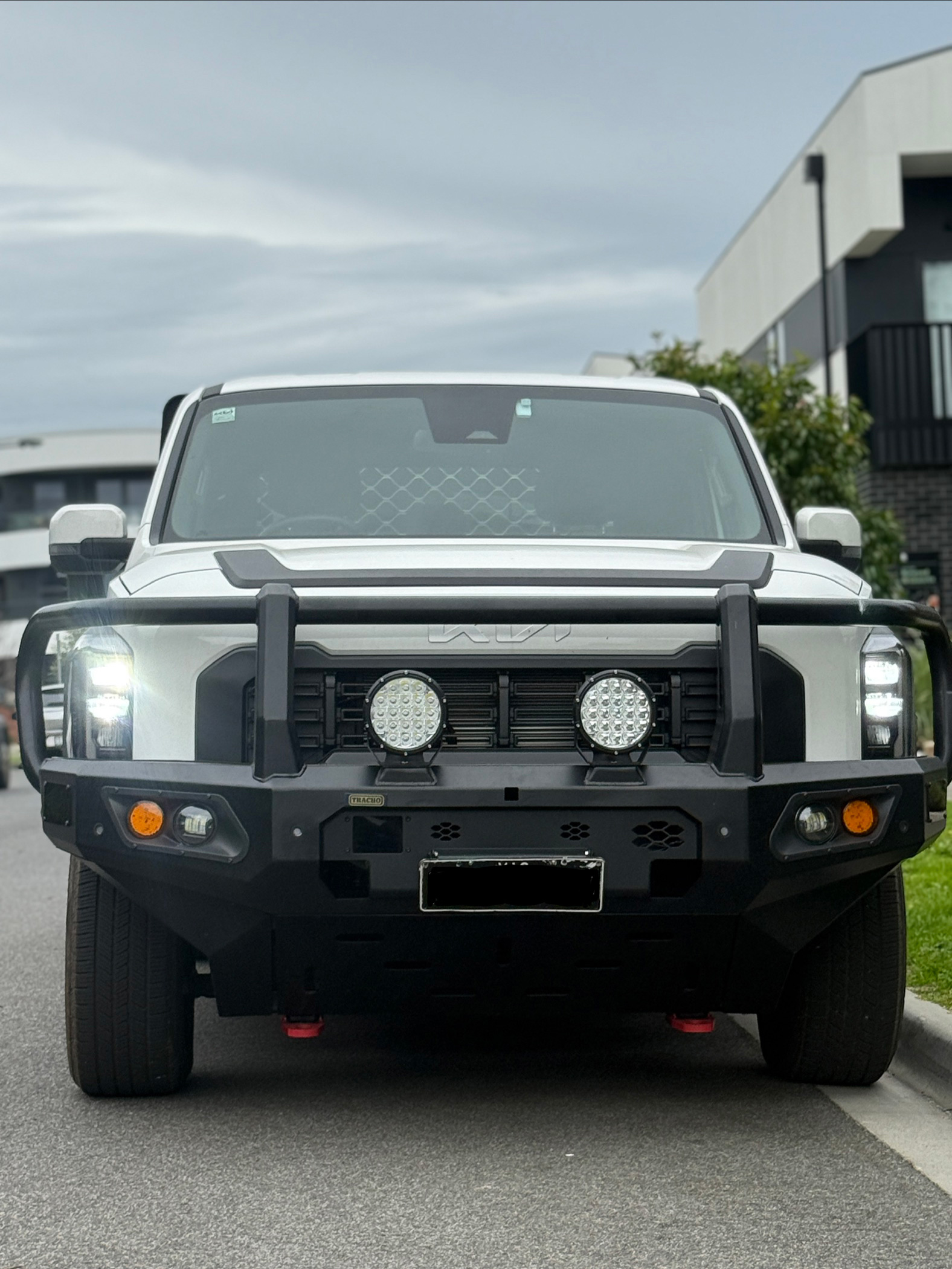
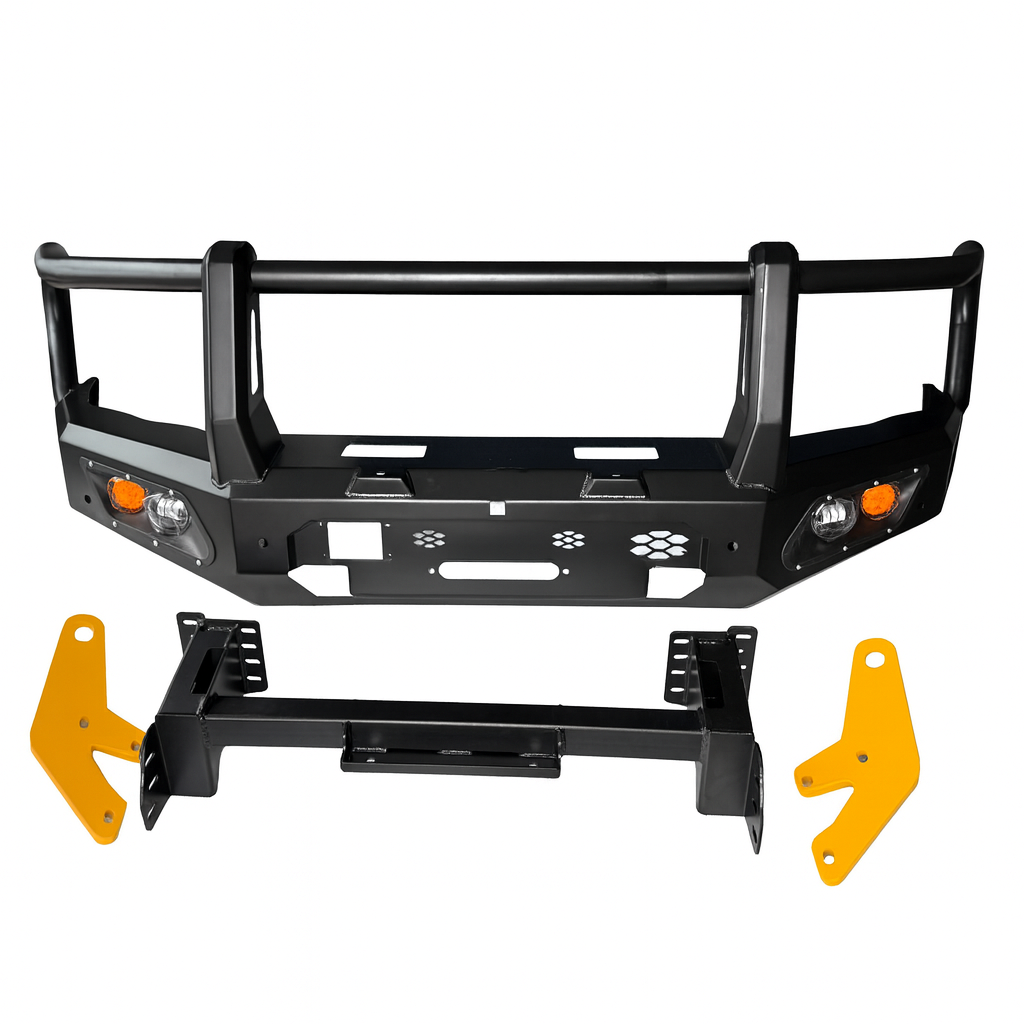
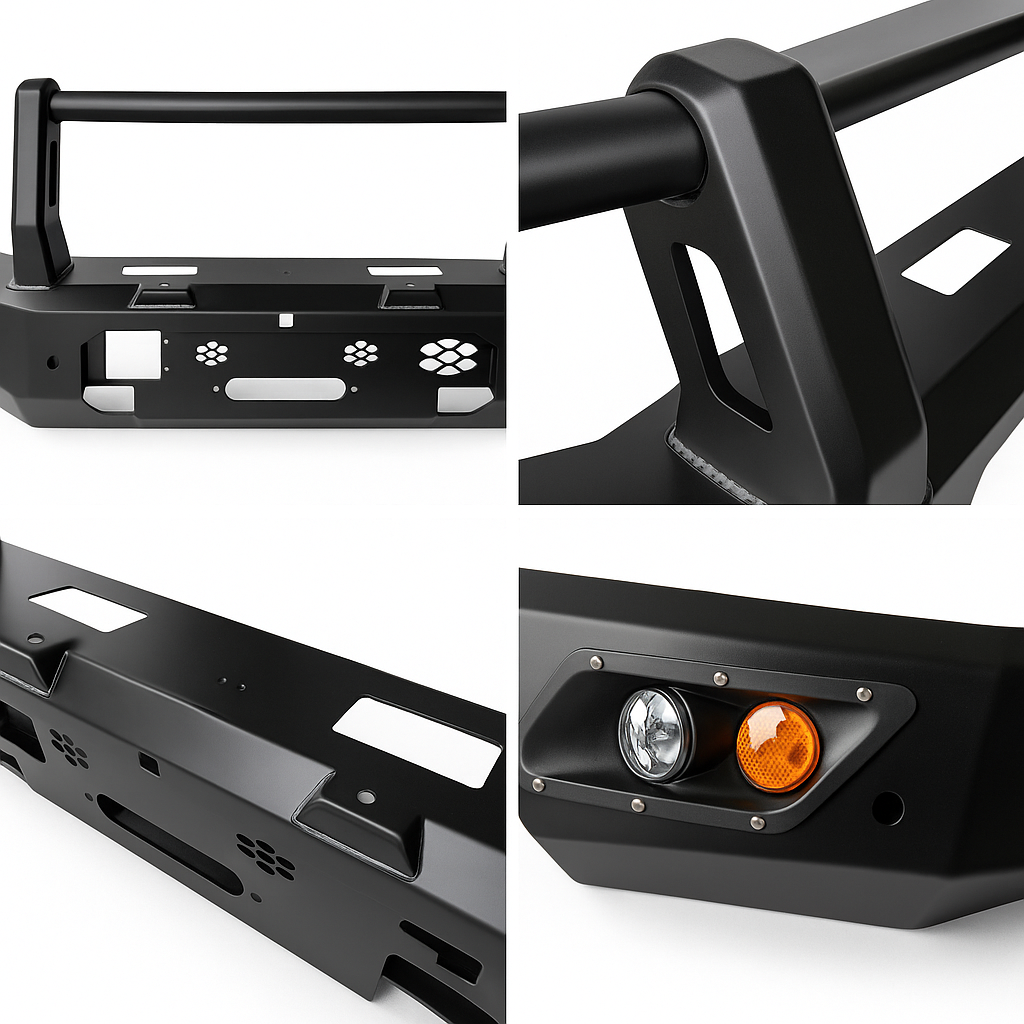
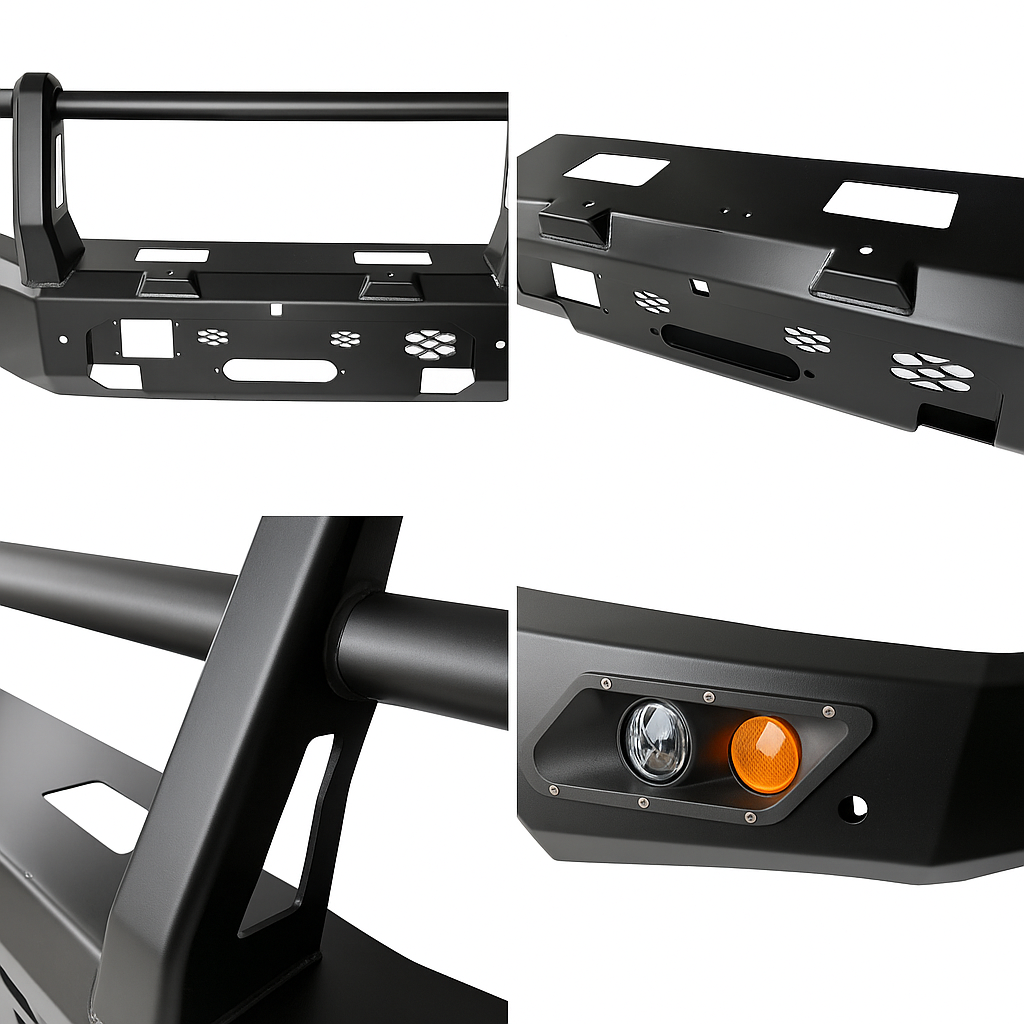
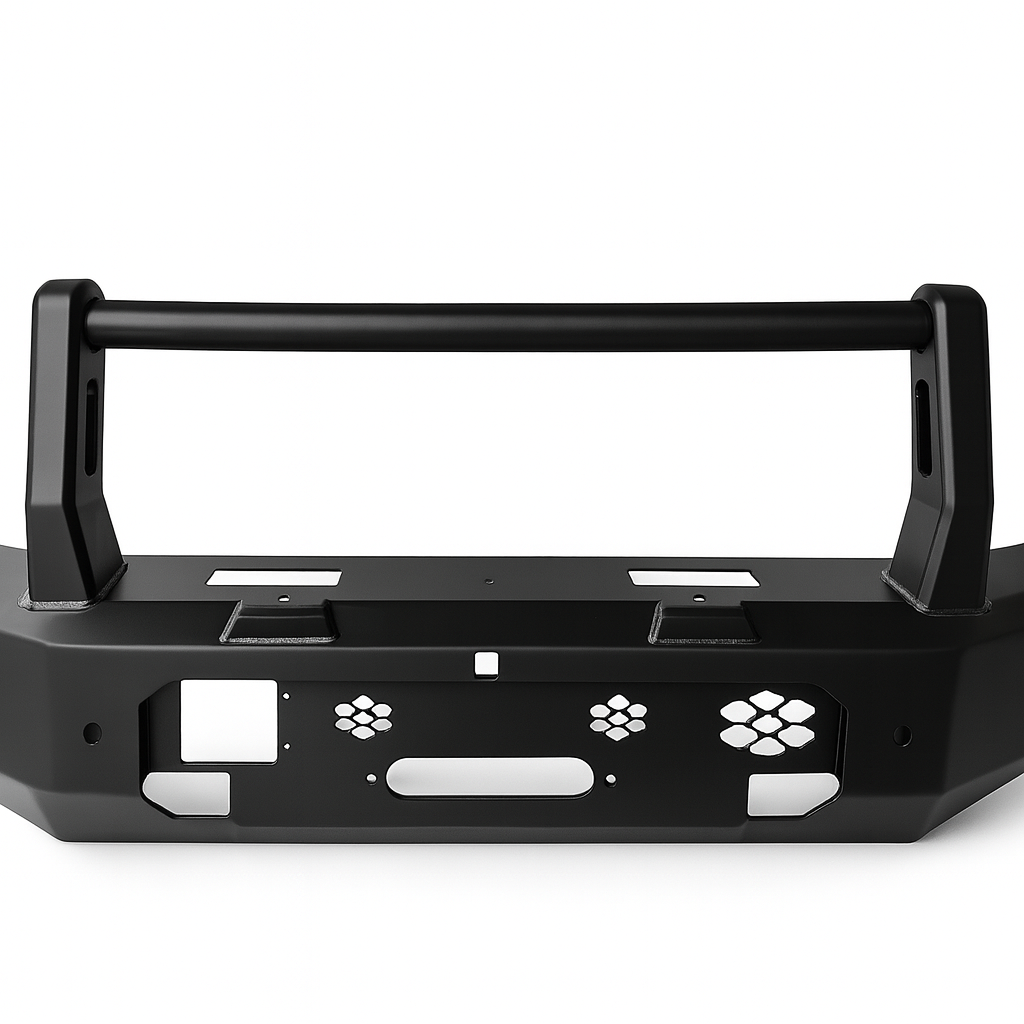


Steel vs Alloy Bull Bars – What’s the Actual Difference?

When you’re shopping for a bull bar, the steel vs alloy question comes up pretty quickly. Both are common, both have their advocates, and if you ask around you’ll get confident opinions on both sides. The reality is that neither material is universally better – they’re suited to different things, and the right choice depends on how and where you actually drive.
This article breaks down the real differences so you can make the call based on your own situation rather than someone else’s preference.
What steel bull bars actually offer
Steel has been the default material for bull bars in Australia for a long time, and for good reason. It’s strong, it handles impacts well, and in the situations where a bull bar is most likely to be tested – a serious hit from a large animal at speed – steel performs reliably.
The strength advantage of steel is most relevant at high-impact loads. In a direct hit from a kangaroo, cow or camel at highway speed, a steel bar absorbs and distributes that force in a way that protects the vehicle’s front end effectively. For anyone driving regularly in areas with high animal strike risk – outback highways, rural roads at dawn and dusk, remote tracks through grazing country – that impact performance matters.
Steel is also more repairable than alloy in most cases. A steel bar that takes a hit can often be straightened or repaired by a competent fabricator without needing full replacement. Alloy, being more brittle under certain impact conditions, is more likely to crack or deform in a way that requires replacement rather than repair.
The trade-offs with steel are weight and corrosion. Steel bull bars are heavier than alloy equivalents – often significantly so – which has a direct effect on your vehicle’s payload and GVM. In coastal or high-humidity environments, steel requires proper coating and maintenance to resist rust. A well-finished steel bar with quality powder coating or paint holds up fine, but it needs attention if the finish gets damaged.
Price-wise, steel bars tend to be more affordable at the entry level, though quality steel bars with good engineering and finish are not necessarily cheap.
What alloy bull bars actually offer
Alloy – typically aluminium alloy – offers the most obvious advantage in weight. An alloy bull bar can be meaningfully lighter than a comparable steel bar, which matters if your vehicle is already working close to its payload limit or if you’re trying to minimise the impact on fuel economy and handling.
For touring-focused owners who are carrying a lot of gear and want to keep the vehicle’s overall weight down, the weight saving from an alloy bar is a real consideration. Every kilogram you save on accessories is a kilogram you can put toward water, fuel or camping gear.
Alloy also has natural corrosion resistance, which makes it a practical choice in coastal environments or for vehicles that are regularly exposed to salt air and moisture. Without the same surface treatment requirements as steel, alloy is lower maintenance in those conditions.
On appearance, alloy bars are often available in a wider range of finishes and tend to have a cleaner, more modern look than traditional steel bars. For owners who care about the vehicle’s appearance – and there’s nothing wrong with that – alloy gives you more options.
The honest limitation of alloy is that it behaves differently to steel under high-impact loads. Alloy is generally less ductile than steel, meaning it can crack or fracture rather than deform under serious impact. For most everyday use that’s not an issue, but for high-risk animal strike environments it’s worth understanding.
Alloy bars also tend to sit at a higher price point than comparable steel options, though the gap varies depending on the manufacturer and the specific bar design.
Key differences side by side

Weight – Alloy is significantly lighter than steel. For payload-conscious owners this is a meaningful difference.
Impact strength – Steel handles high-impact loads more predictably and is less likely to crack under serious hits. Alloy performs well for most use cases but is more brittle under extreme impact conditions.
Corrosion resistance – Alloy resists corrosion naturally and requires less maintenance in coastal or humid environments. Steel needs proper coating and maintenance to prevent rust.
Repairability – Steel is generally easier and cheaper to repair after impact damage. Alloy is more likely to require full replacement.
Appearance – Alloy tends to offer cleaner lines and more finish options. Steel has a more traditional, heavy-duty appearance.
Price – Steel is often more affordable at the entry level. Quality alloy bars typically cost more, though both materials span a wide price range depending on the manufacturer.
Who’s better off with steel
If your driving regularly takes you into high animal strike territory – outback highways, remote tracks, rural roads at night – a steel bar is the more appropriate choice. The impact performance advantage is most relevant in exactly these conditions, and that’s where the extra weight is worth tolerating.
Steel also makes more sense for heavy work use where the bar is likely to take knocks, scrapes and general abuse on worksites or rough terrain. The repairability of steel means that minor damage doesn’t automatically mean replacement costs.
For owners on tighter budgets who want solid, proven front-end protection without spending more than necessary, a quality steel bar often delivers better value at a given price point than an equivalent alloy option.
If you want to explore what’s available, the bull bar range covers options worth looking at for different vehicle makes and use cases.
Who’s better off with alloy
If your vehicle is already close to its GVM with regular loads and gear, the weight saving from an alloy bar is a practical benefit rather than just a number on paper. Keeping the vehicle within its legal payload limit matters, and accessories that help you do that have real value.
Touring owners who cover long distances with a full setup – rooftop tent, fridge, water, fuel – often choose alloy specifically to manage overall vehicle weight. When everything on the vehicle adds up, saving fifteen or twenty kilograms on the bull bar is worth something.
For vehicles in coastal areas or regularly exposed to salt and moisture, alloy’s natural corrosion resistance reduces long-term maintenance requirements. It’s a lower-maintenance choice in those environments without sacrificing the core function of the bar.
Owners who want a cleaner, more modern look and are doing most of their driving on sealed roads with moderate risk levels will often prefer alloy for the combination of appearance, weight and corrosion resistance it offers.
A few things worth checking before you decide
GVM and payload – Before you choose a bull bar, know your current payload situation. If you’re already close to your GVM with standard gear and accessories, a heavy steel bar pushes you closer to the limit. Add up the numbers before you commit to a material, not after.
Vehicle compatibility – Bull bars are vehicle-specific in terms of mounting and fitment. Make sure whatever bar you’re considering is engineered for your make and model. A bar that’s not properly designed for your vehicle can affect airbag deployment timing and sensor function, which is a safety issue worth taking seriously. Checking vehicle-specific options – whether that’s for a Toyota, Ford, Mitsubishi, Isuzu or another make – is the right starting point.
Finish and ongoing maintenance – If you’re going with steel, check the quality of the finish and what’s required to maintain it. A well-powdercoated steel bar with touch-up paint for any chips will hold up well. A poorly finished bar that starts rusting within a year is a false economy. For alloy, check whether the finish is anodised, painted or bare – each has different maintenance requirements.
Winch compatibility – If you’re planning to run a winch now or in the future, make sure the bar is rated and designed for it. Not all bull bars – steel or alloy – are built to handle winch loads, and the mounting requirements are different. Factor this in before you buy rather than finding out the bar you chose won’t suit a winch later.
The material choice comes down to your priorities and your driving environment. If you’re in genuine high-risk animal strike territory, doing heavy work use, or want a more repairable option at a lower price point, steel is the practical choice. If weight management, corrosion resistance or a cleaner appearance matters more for how and where you drive, alloy is worth the additional cost. Know your conditions, know your payload situation, and the right call usually becomes straightforward.