Do Nudge Bars Actually Do Anything? A Realistic Look at What They Protect
Nudge bars have a bit of a reputation problem. Ask around in 4×4 circles and you’ll hear people dismiss them as purely cosmetic – something that looks like protection without actually providing any. That view is partly fair and partly not. A nudge bar isn’t a bull bar, and pretending otherwise would be misleading. But written off entirely as useless, that’s not quite right either.
This article looks at what a nudge bar genuinely does, where it falls short, and who it actually makes sense for.
What a nudge bar is actually designed to do
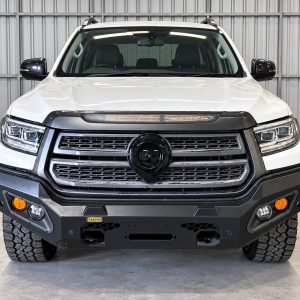
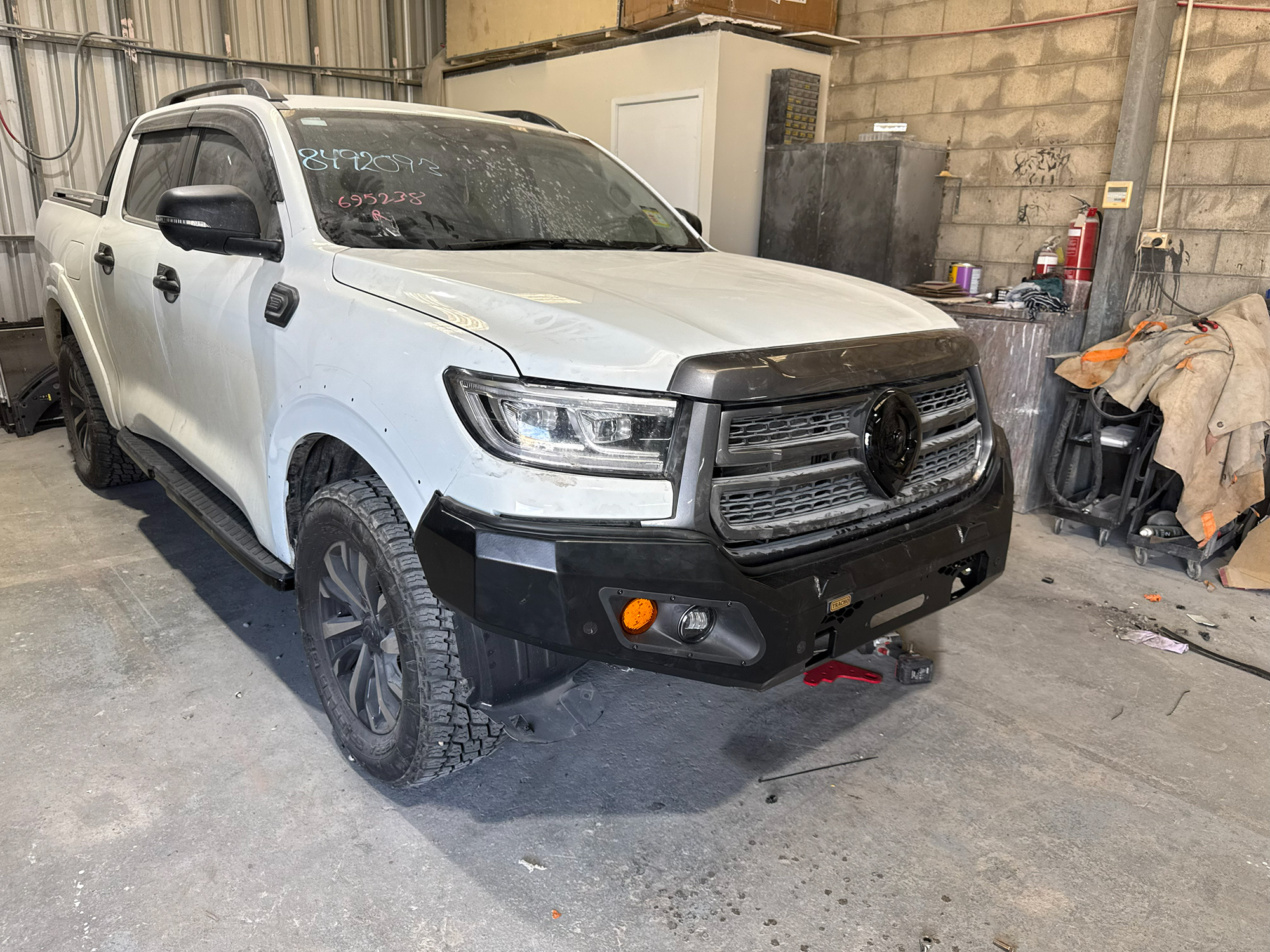
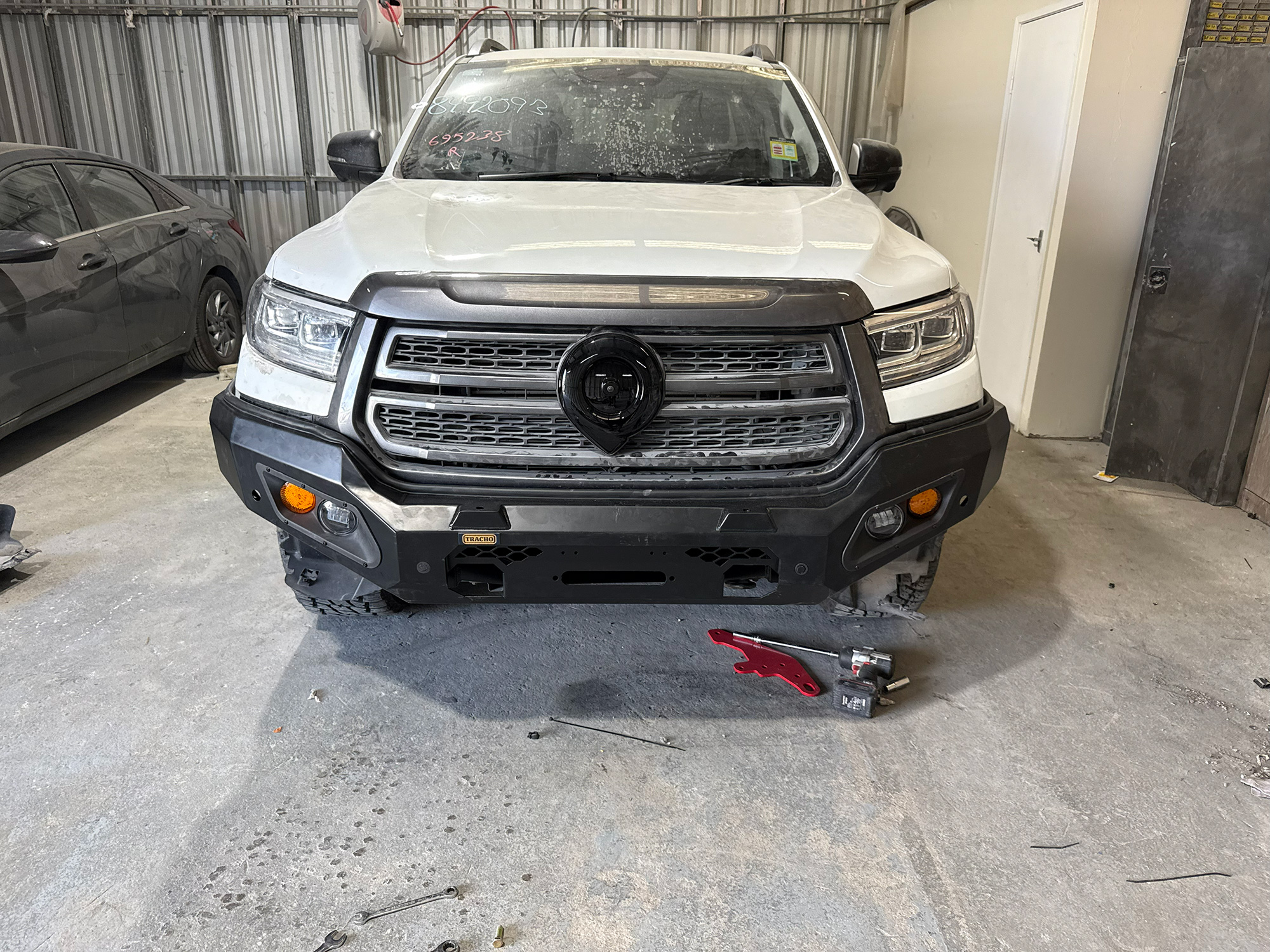
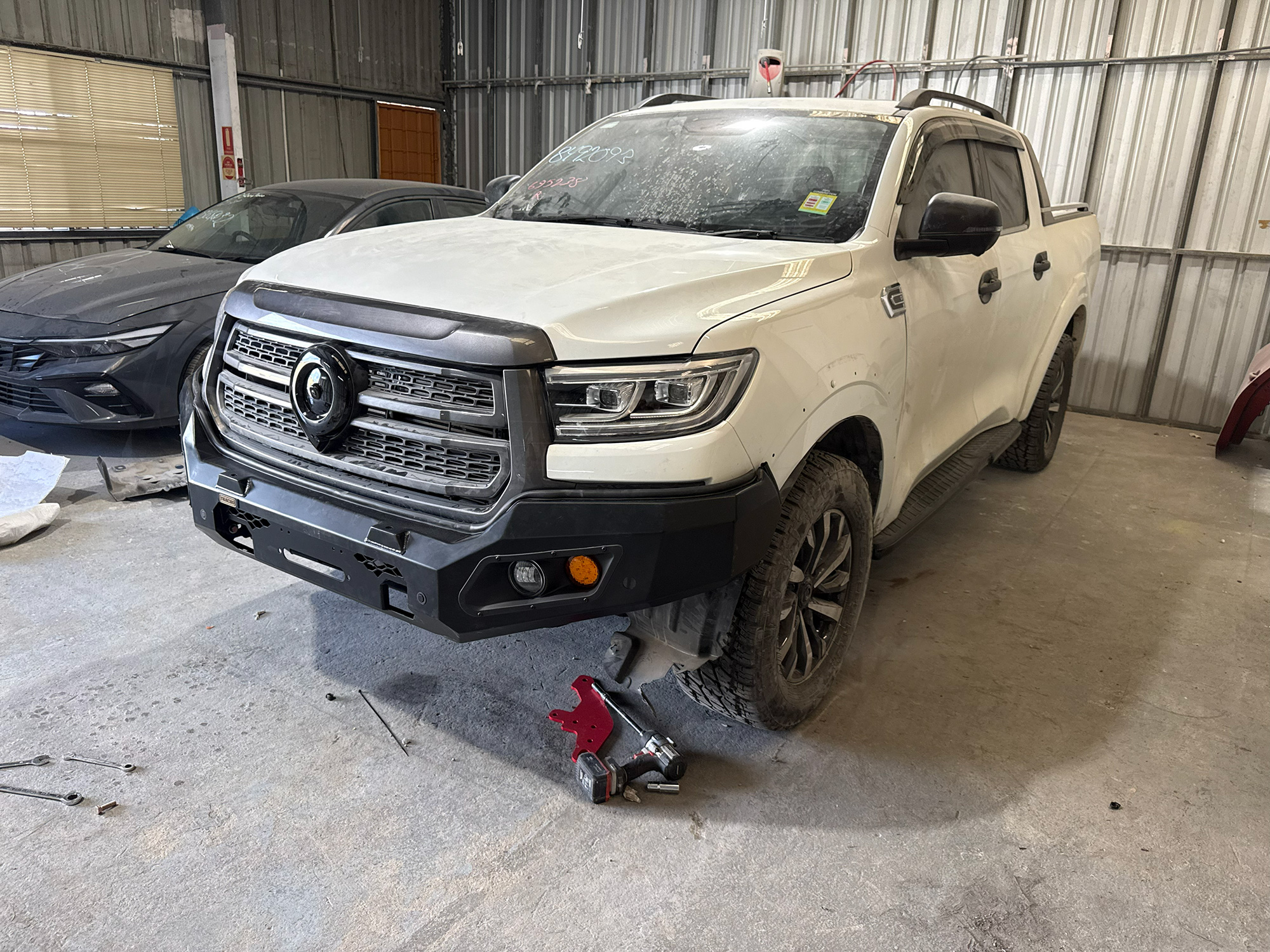
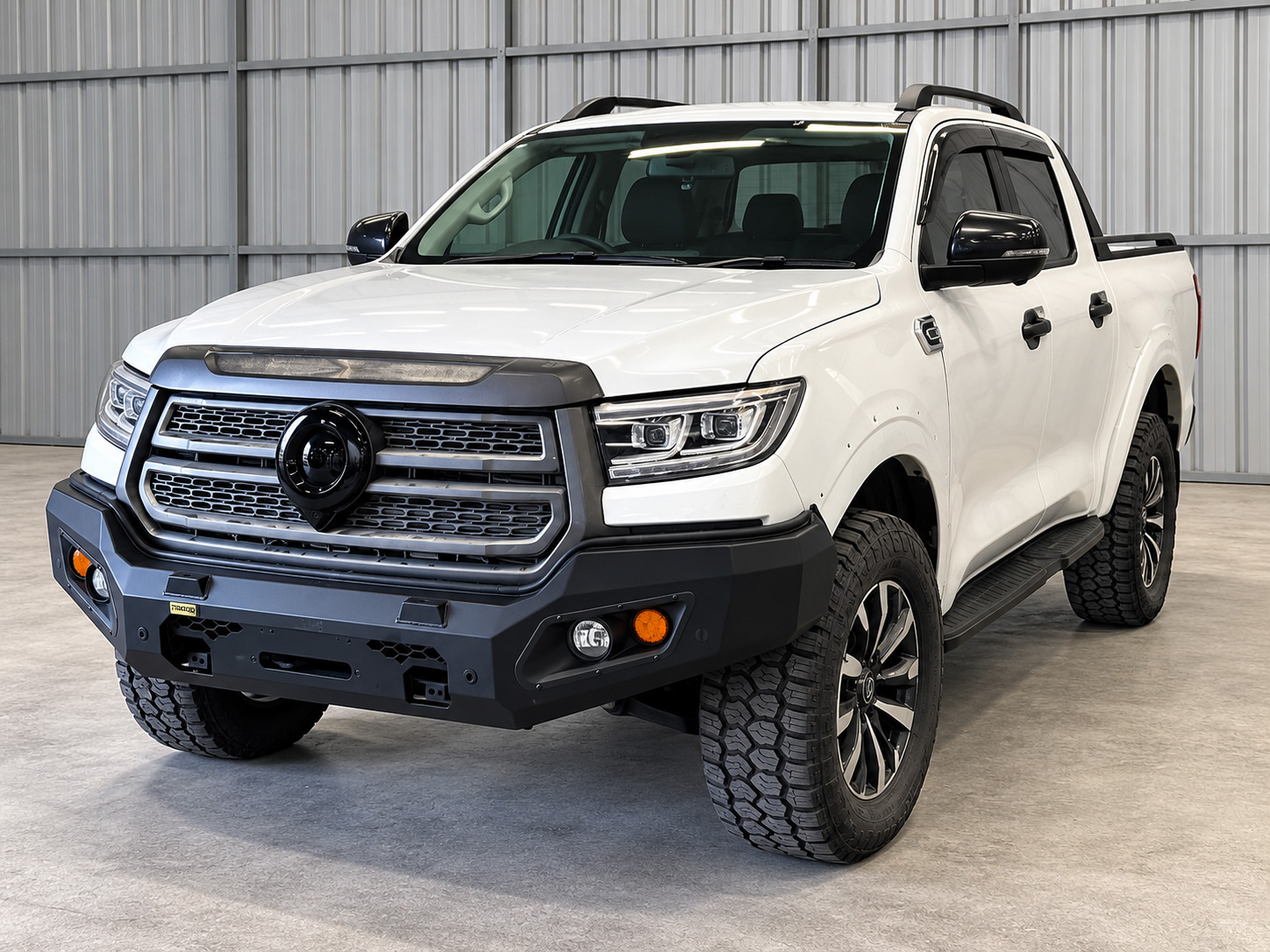
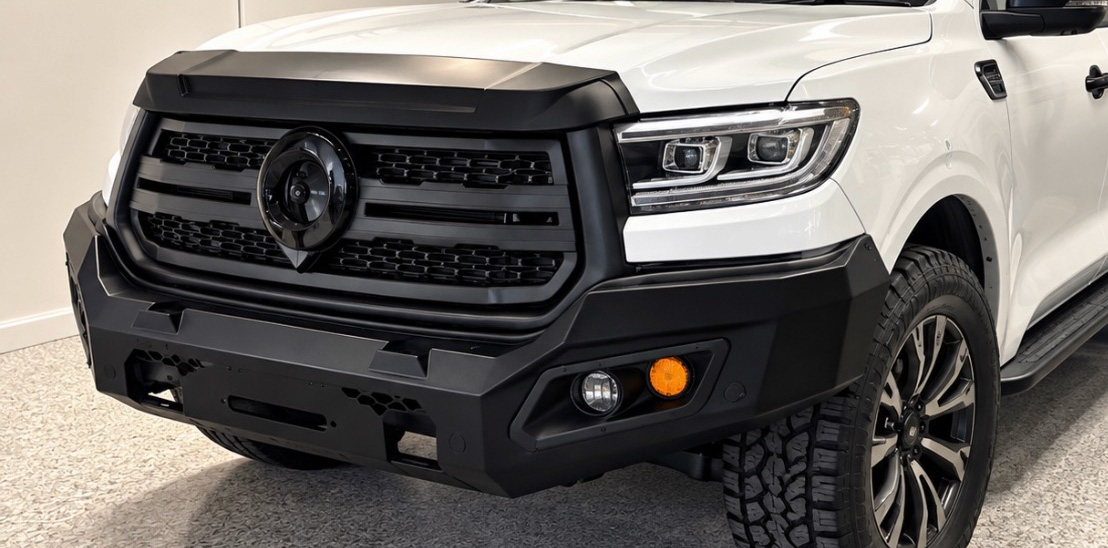
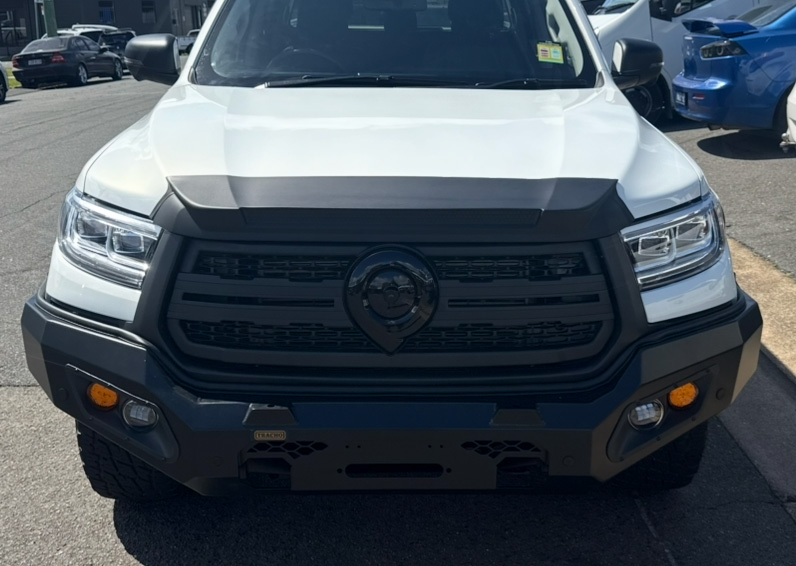
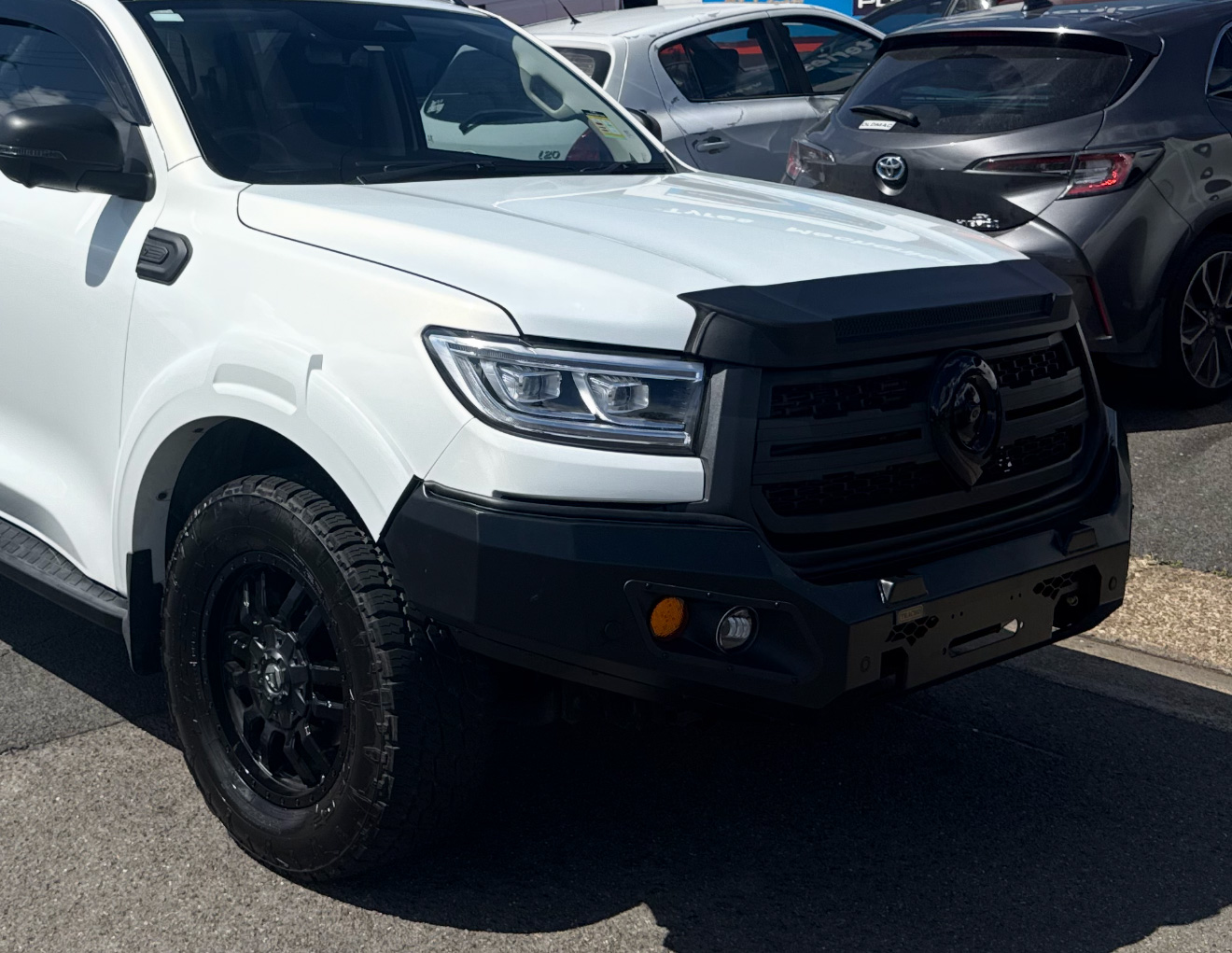
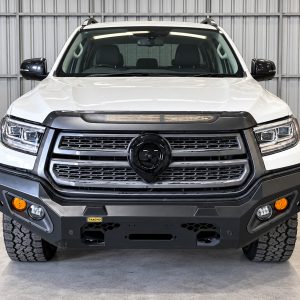
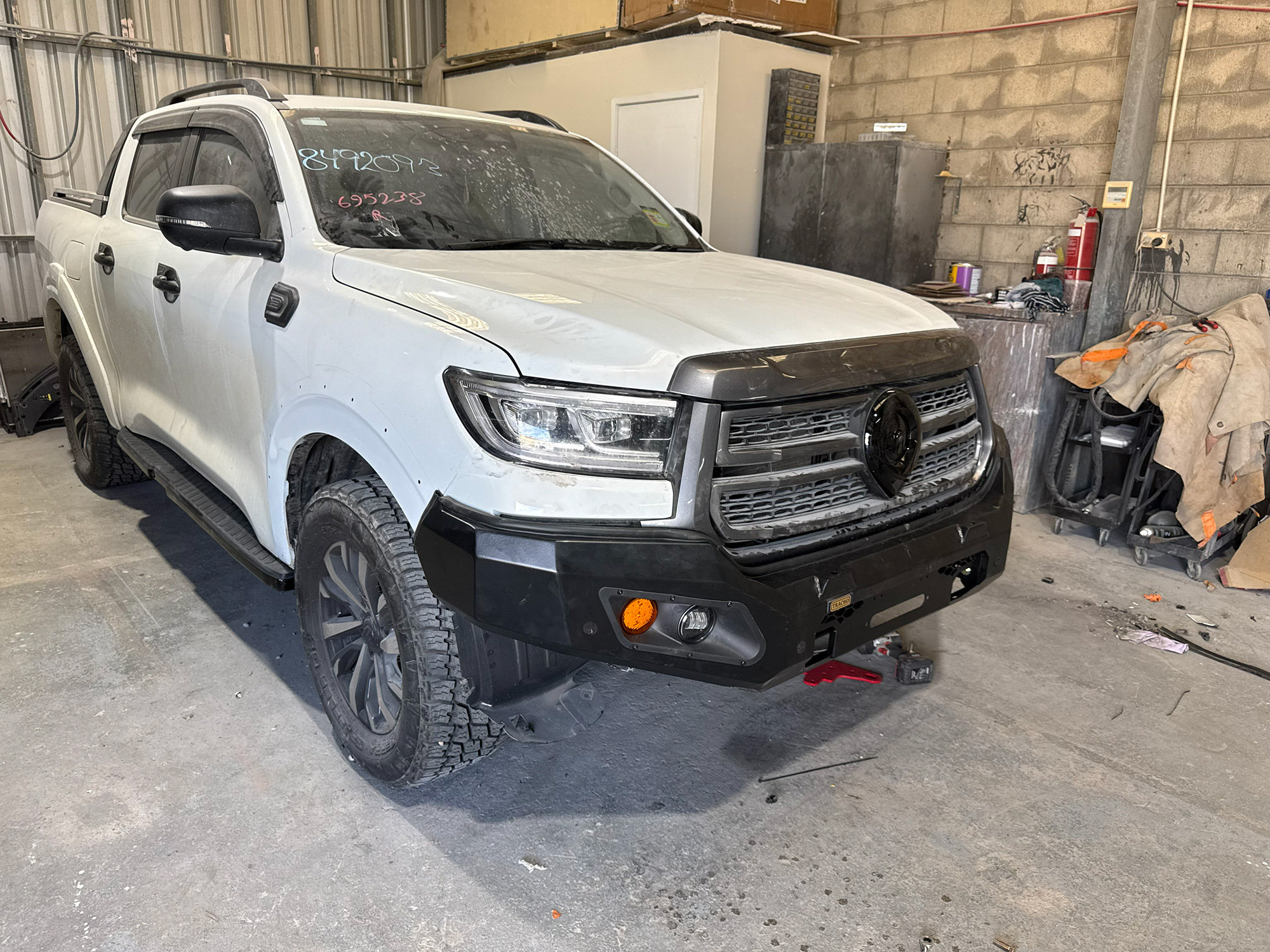
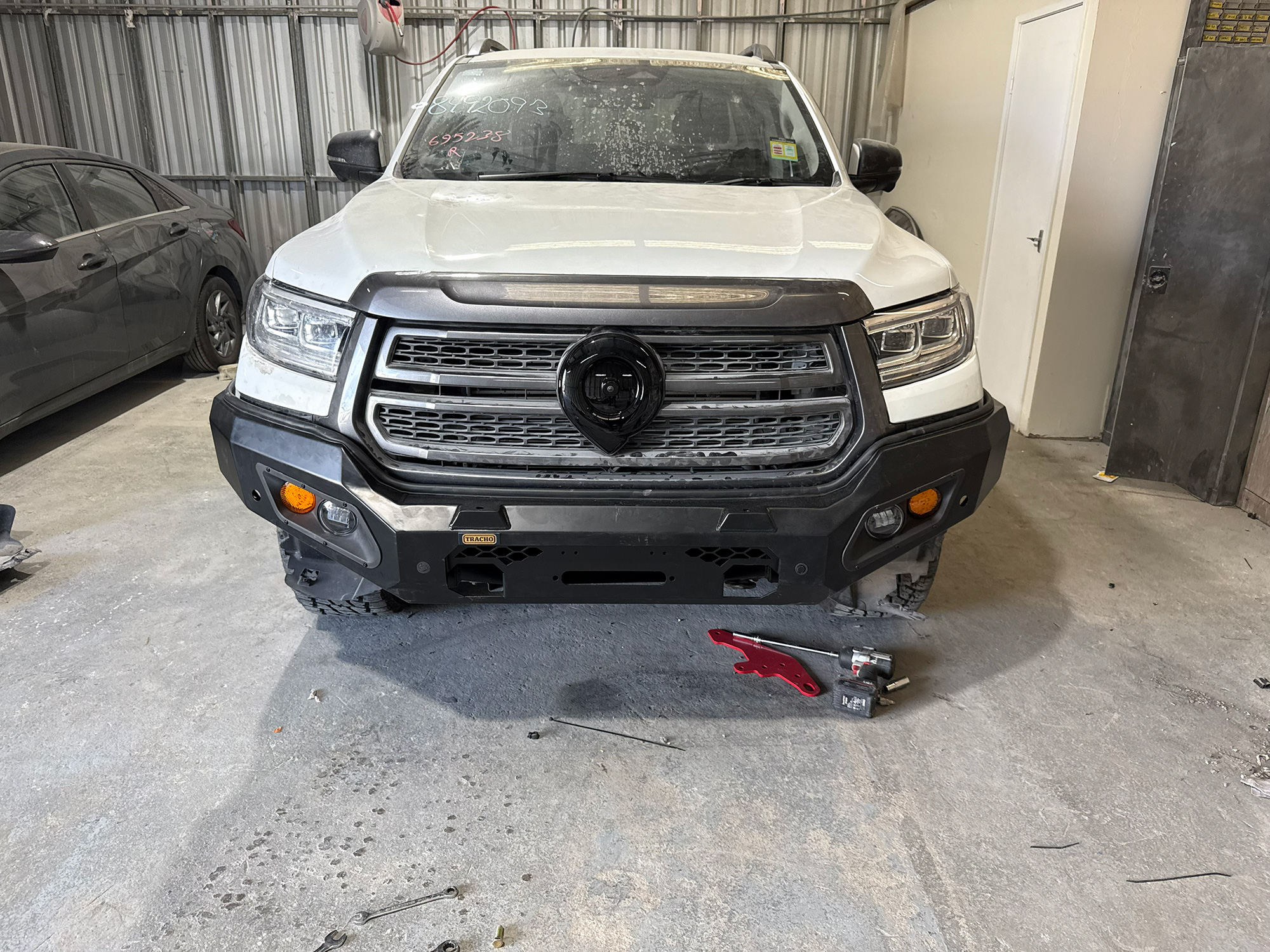
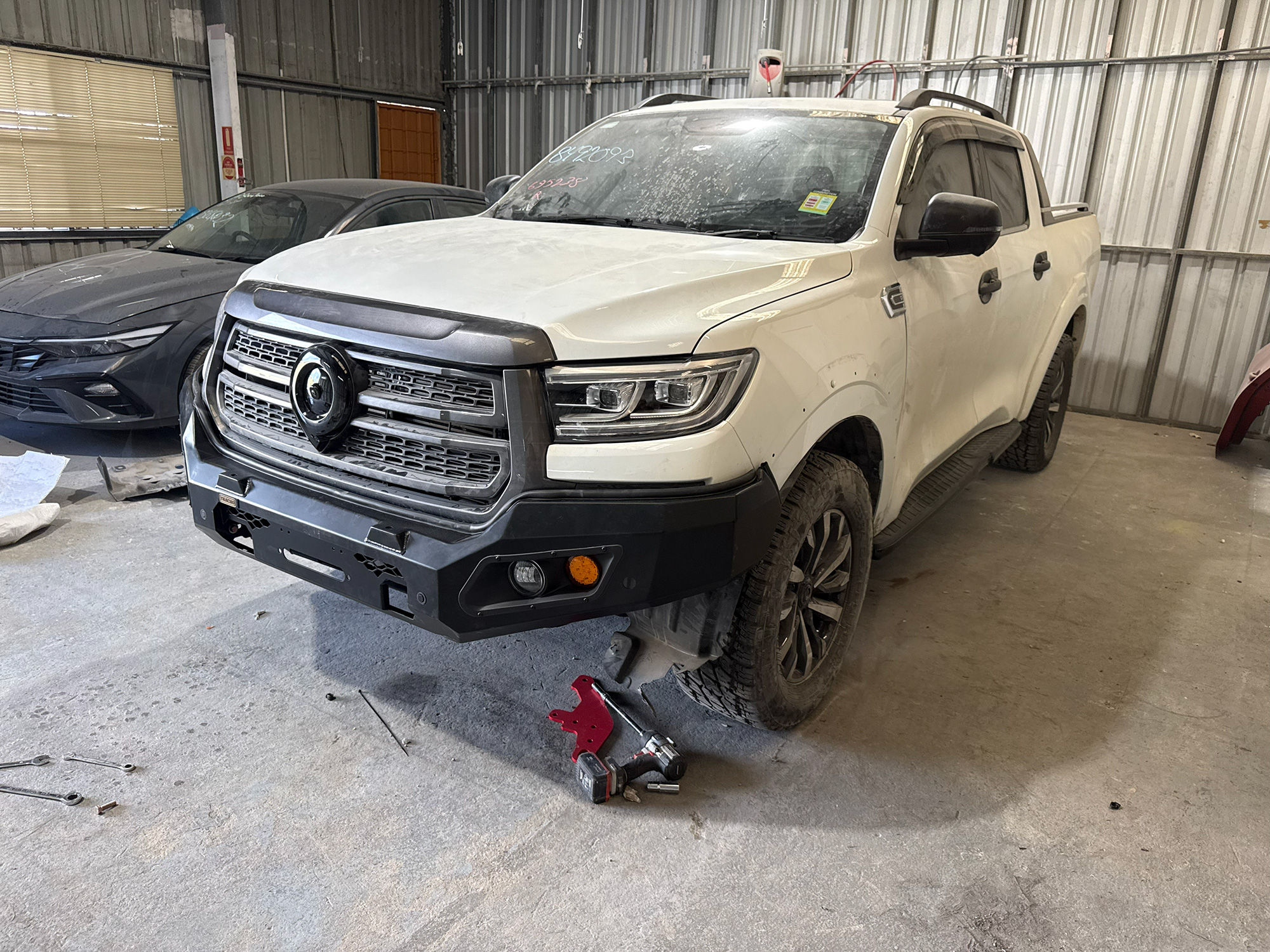
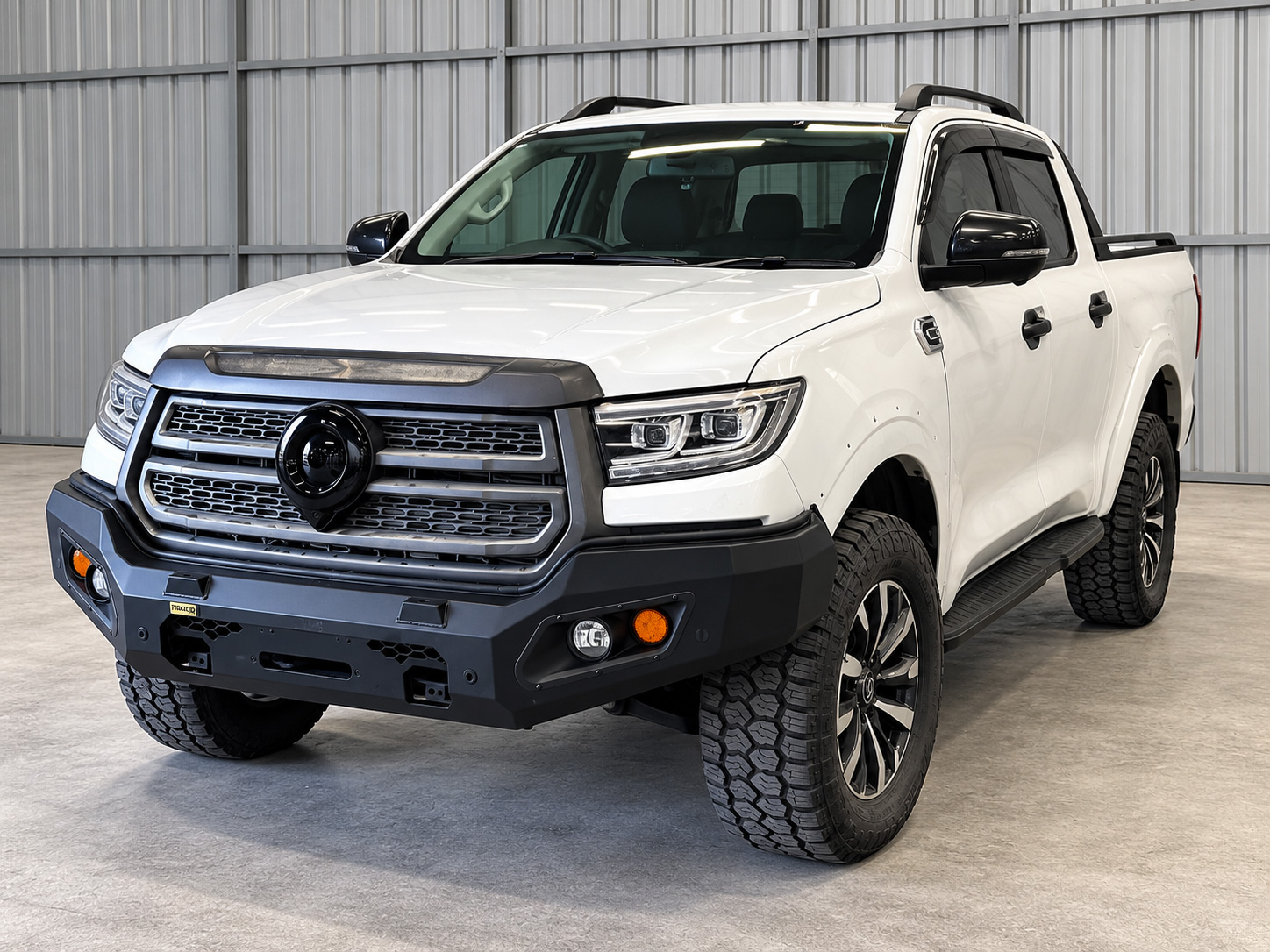
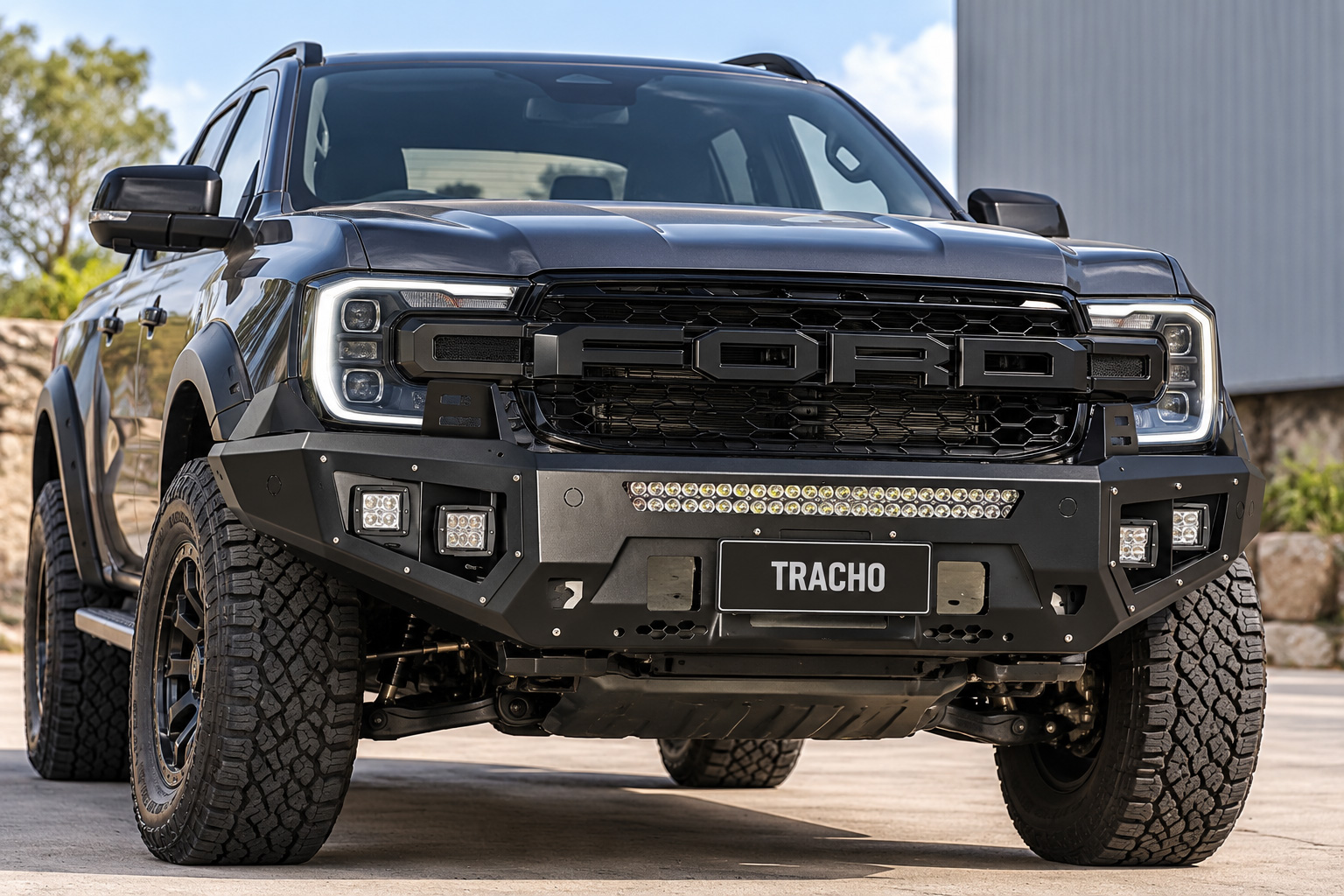
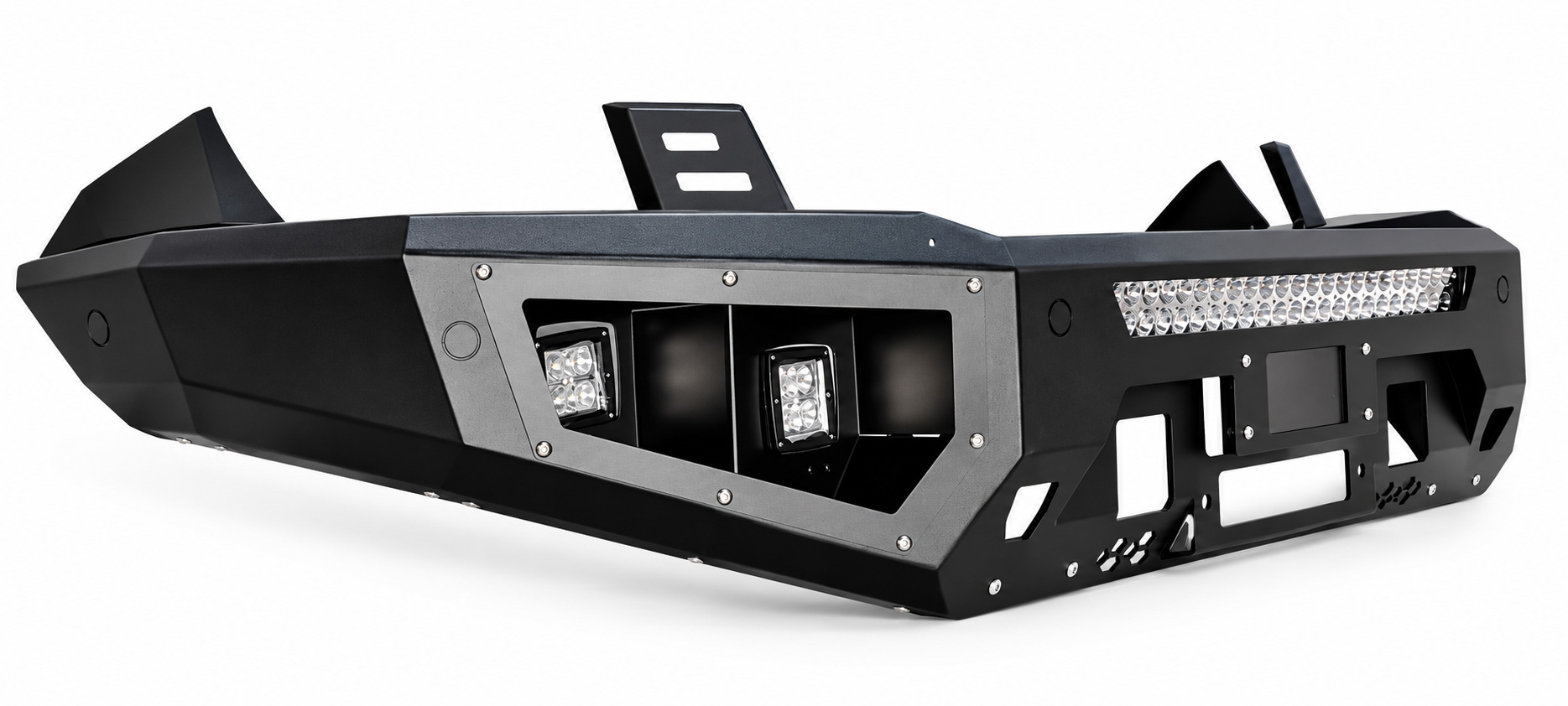
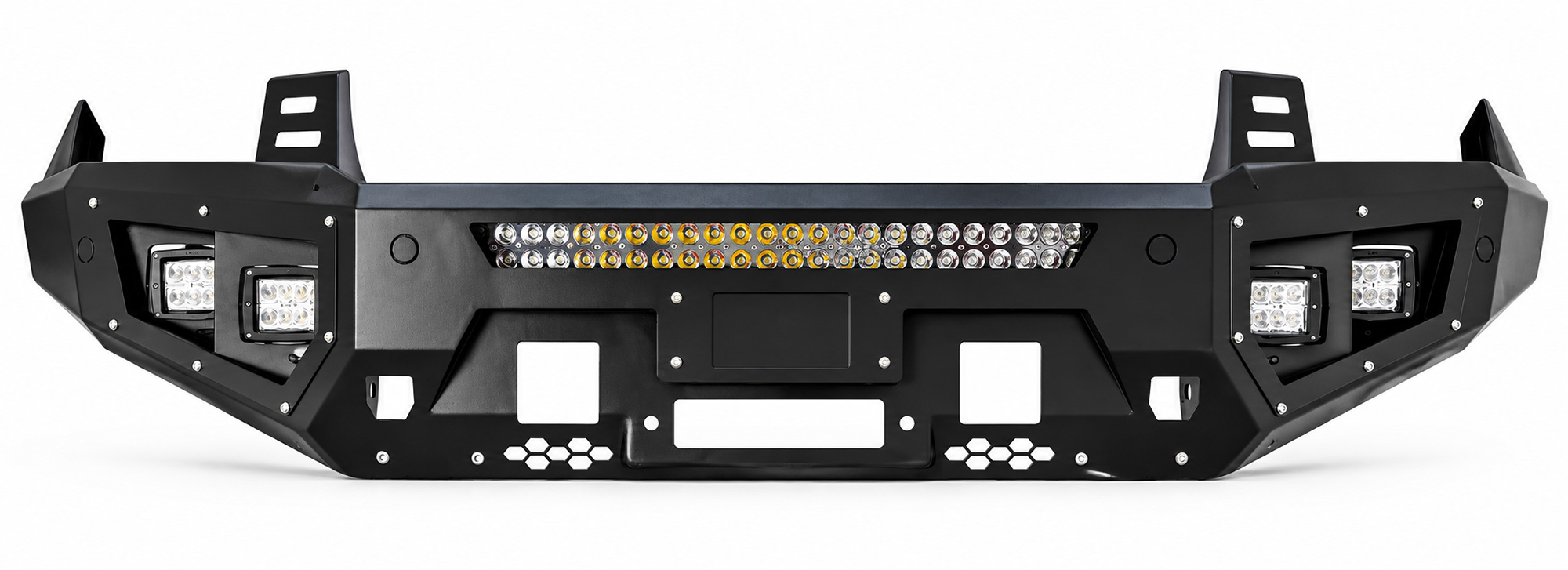
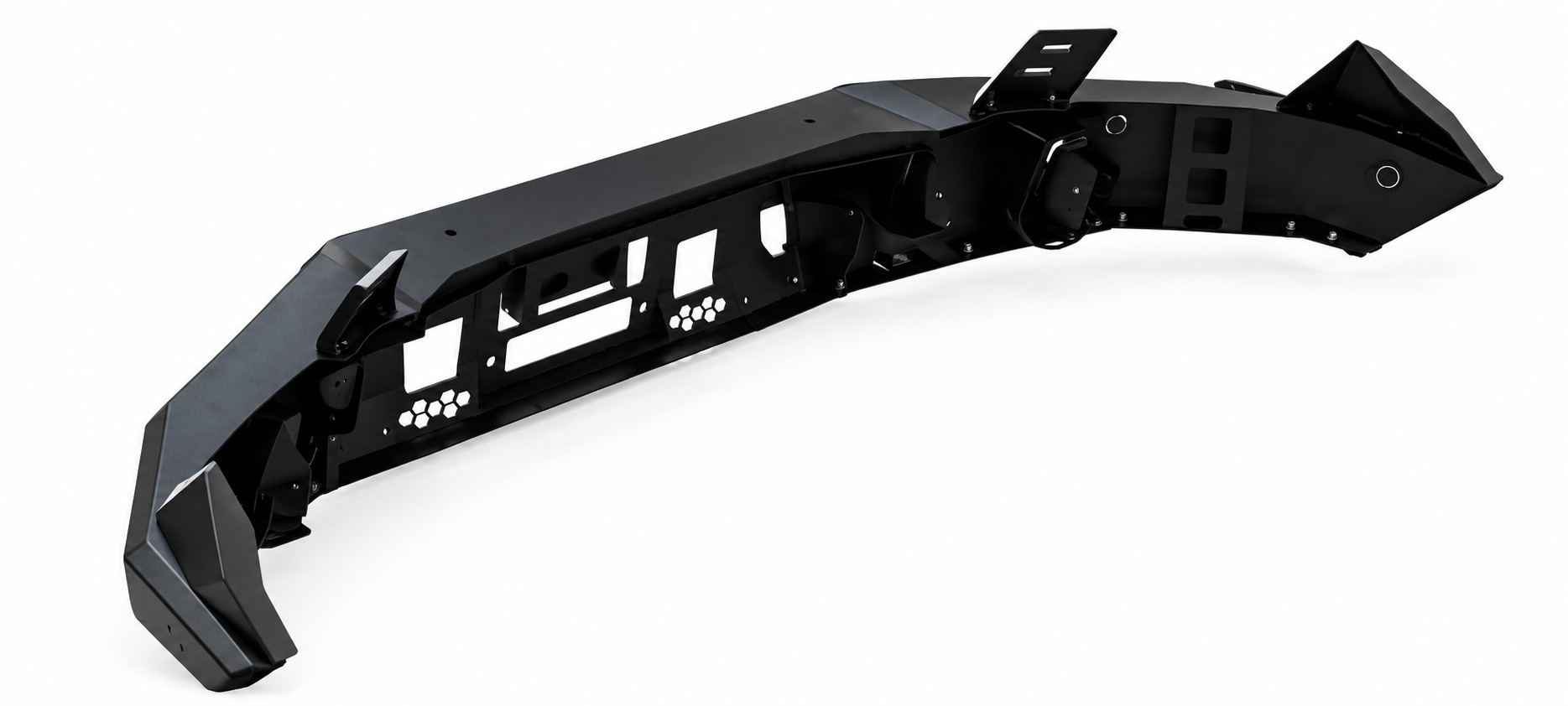
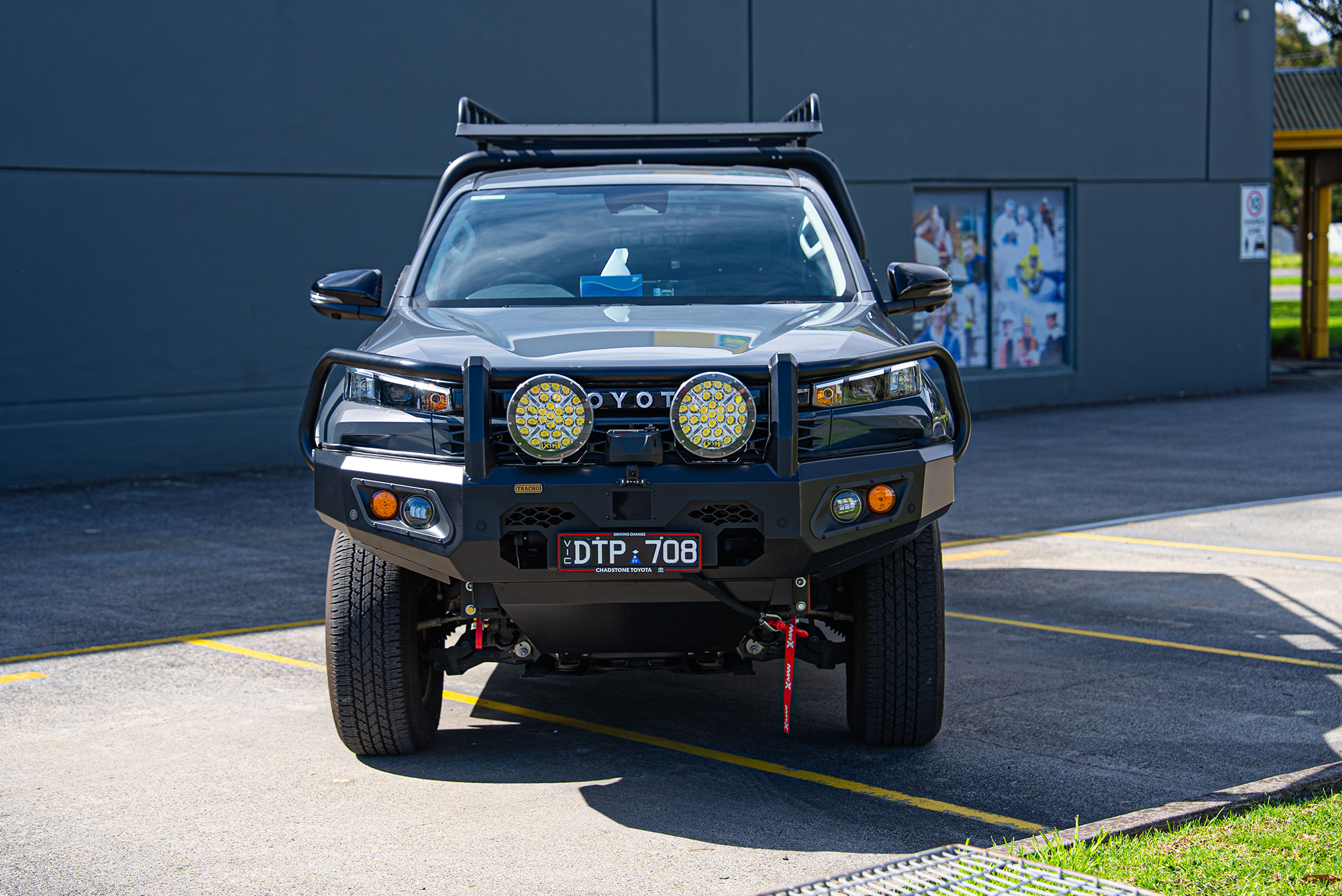
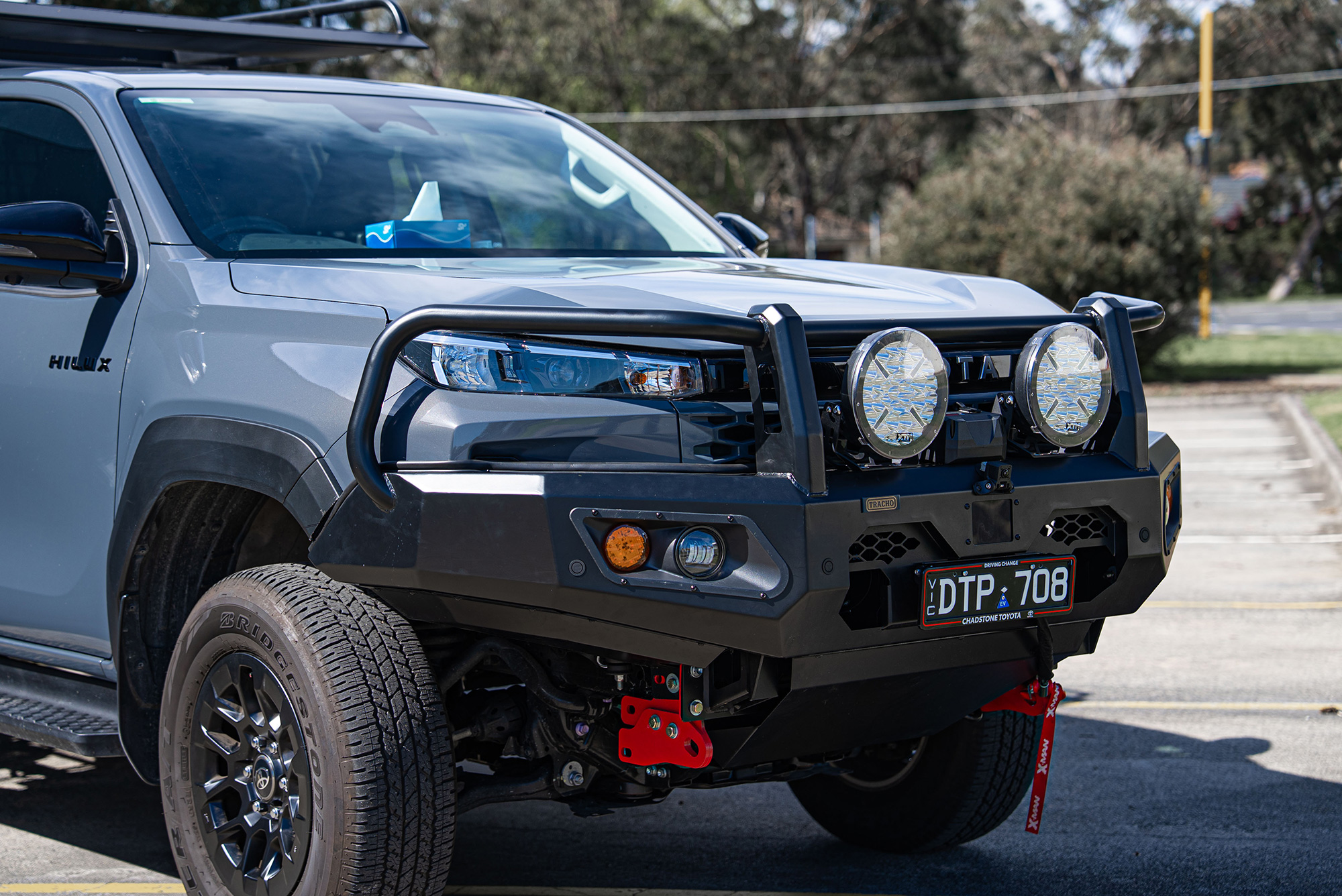
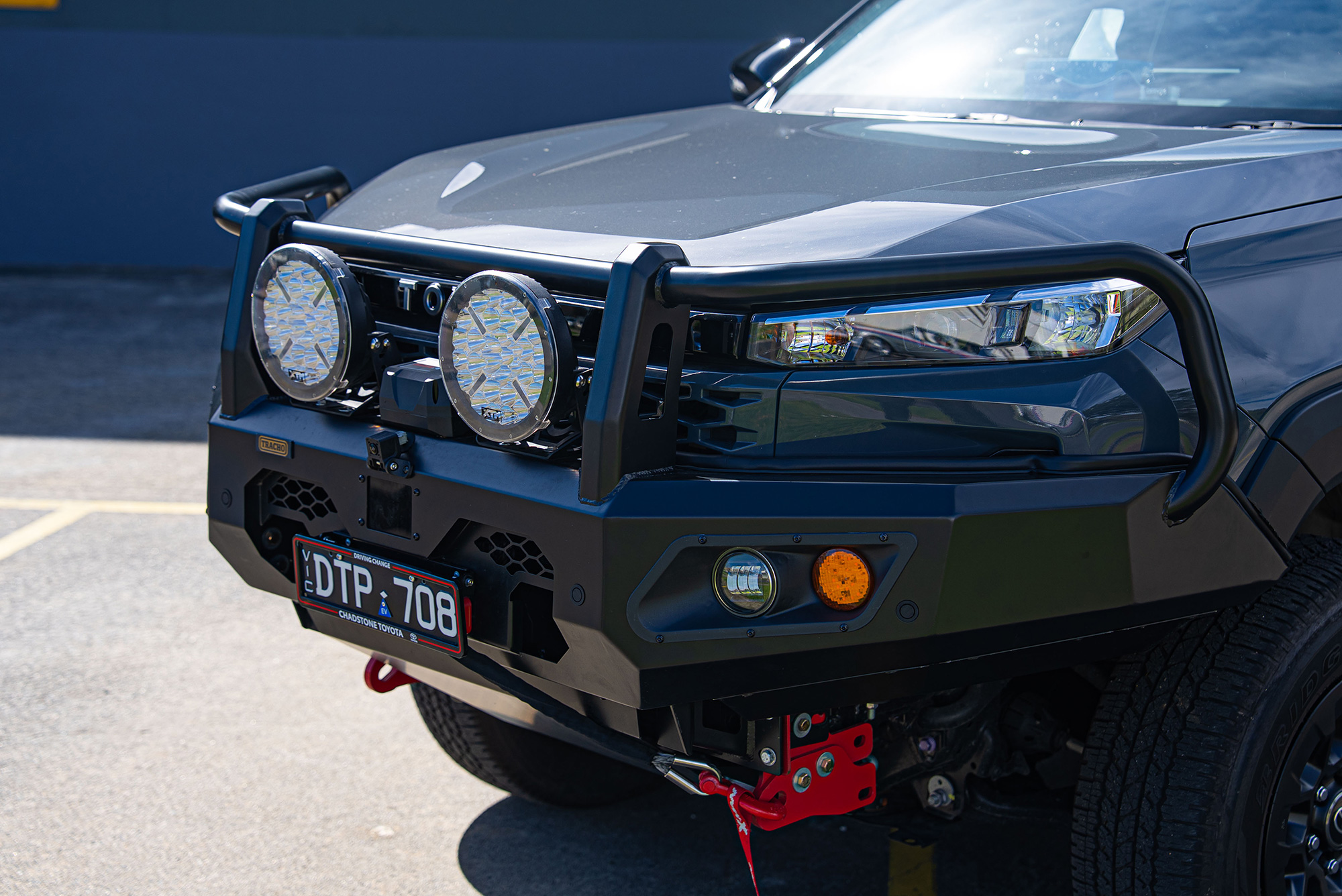
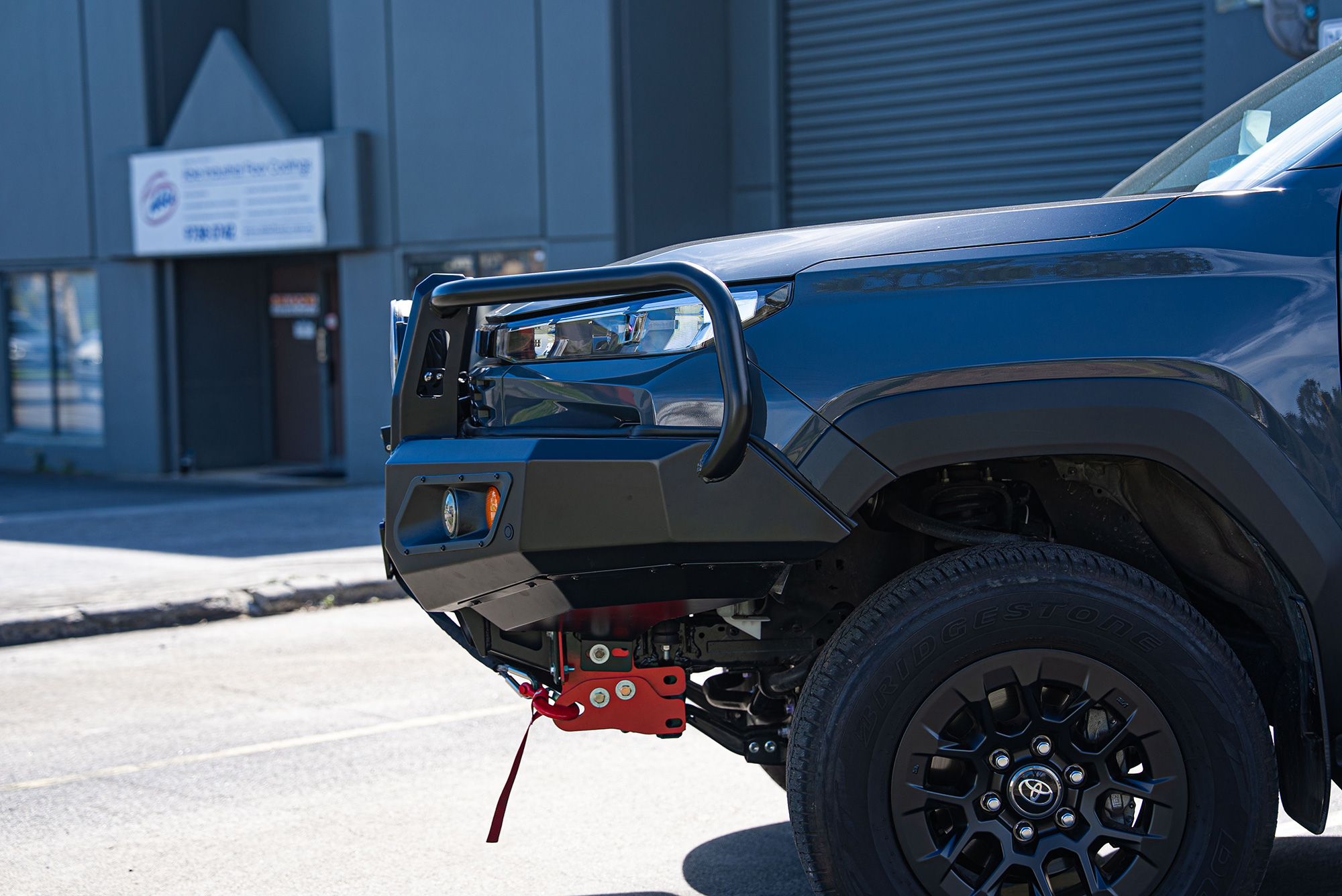
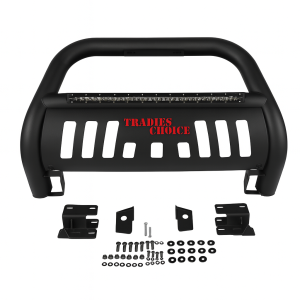
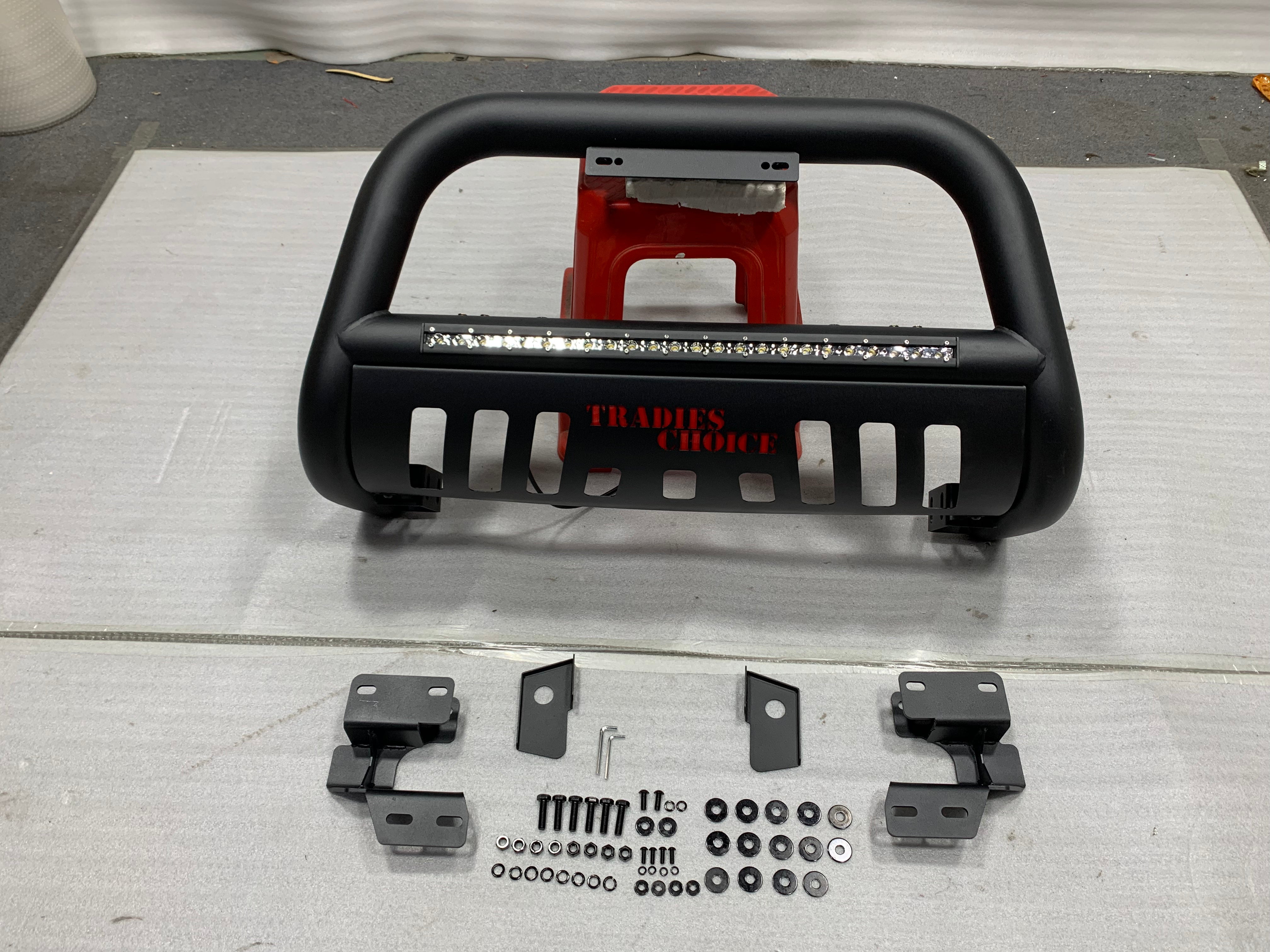
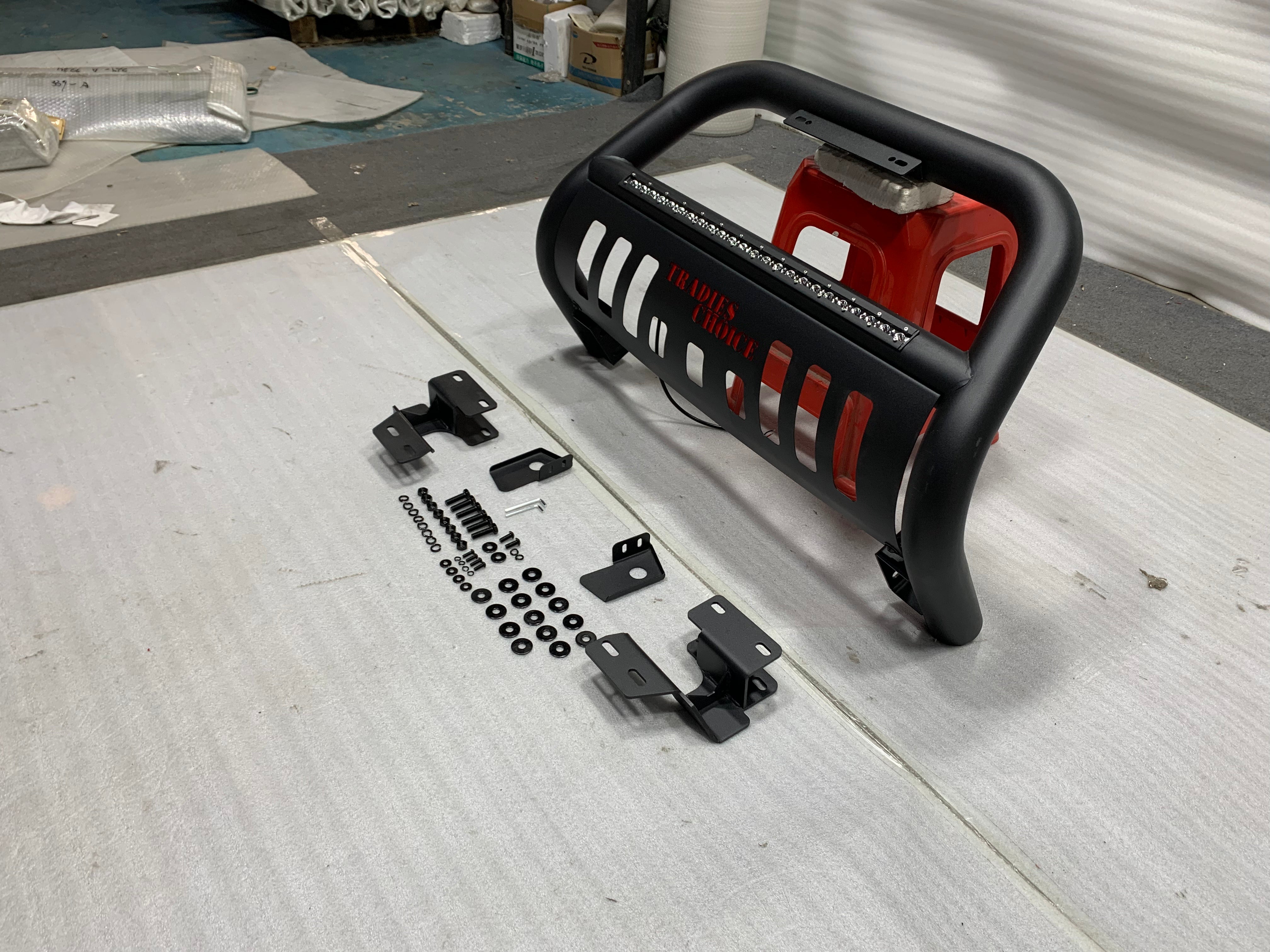
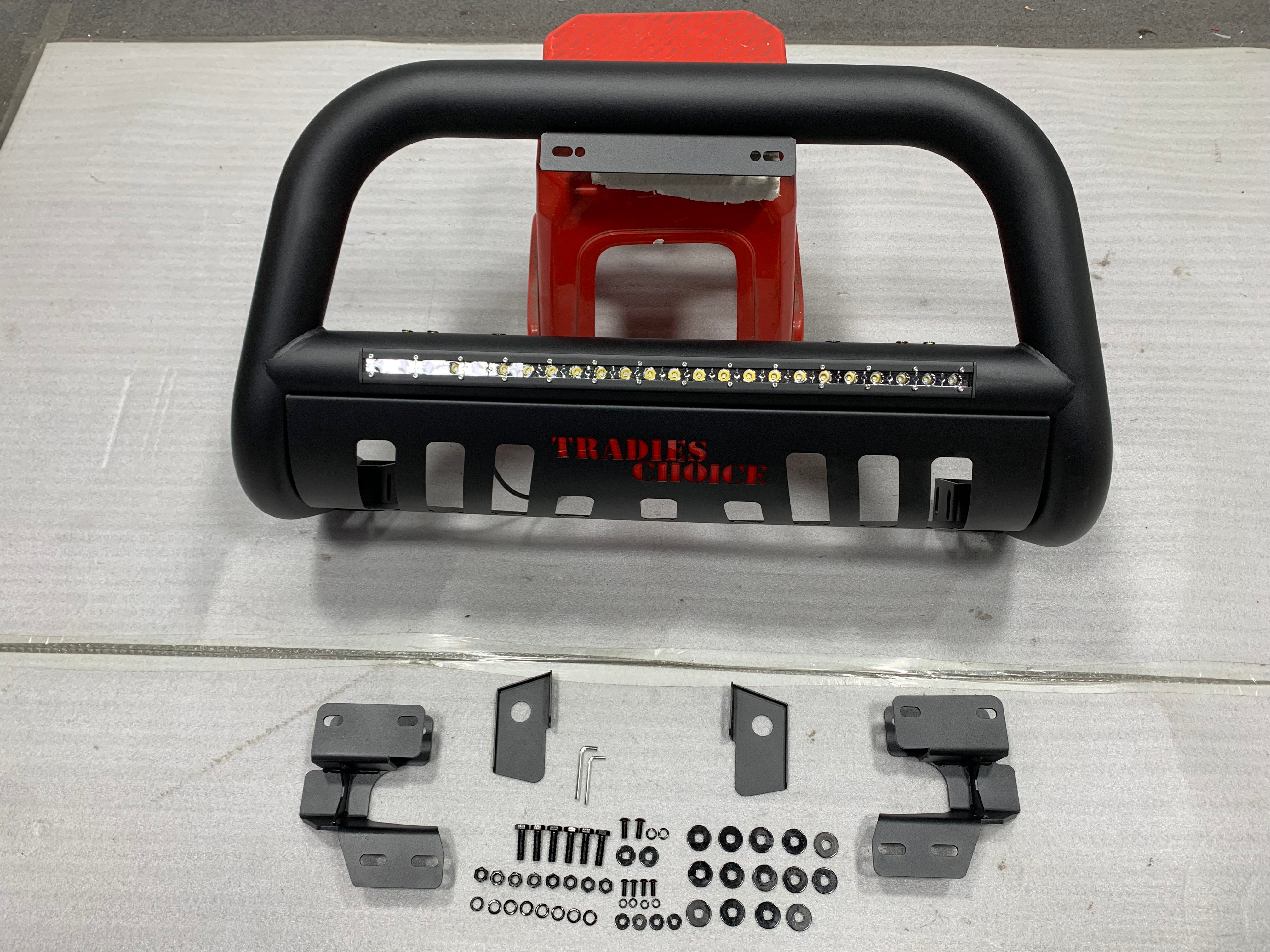
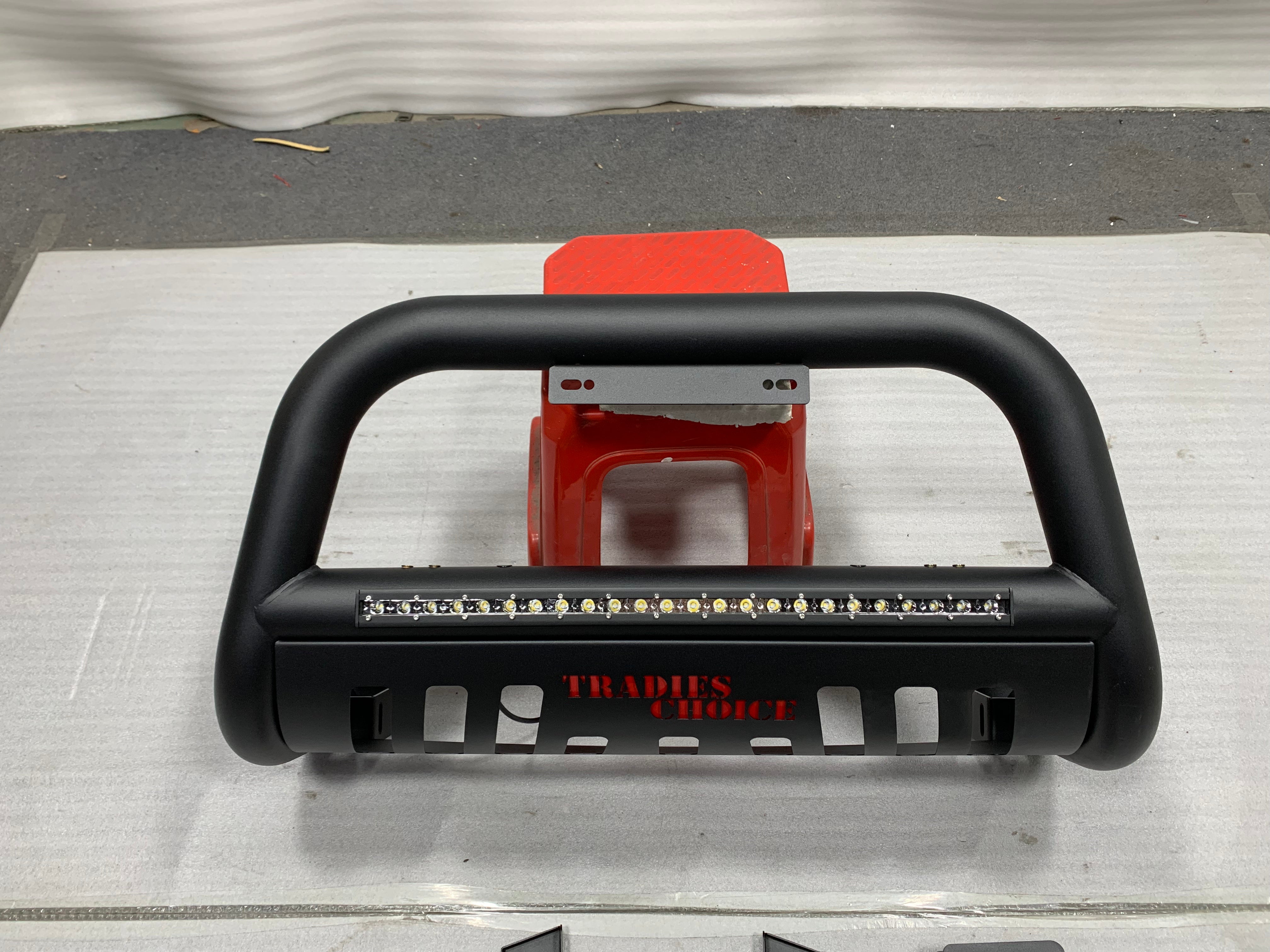
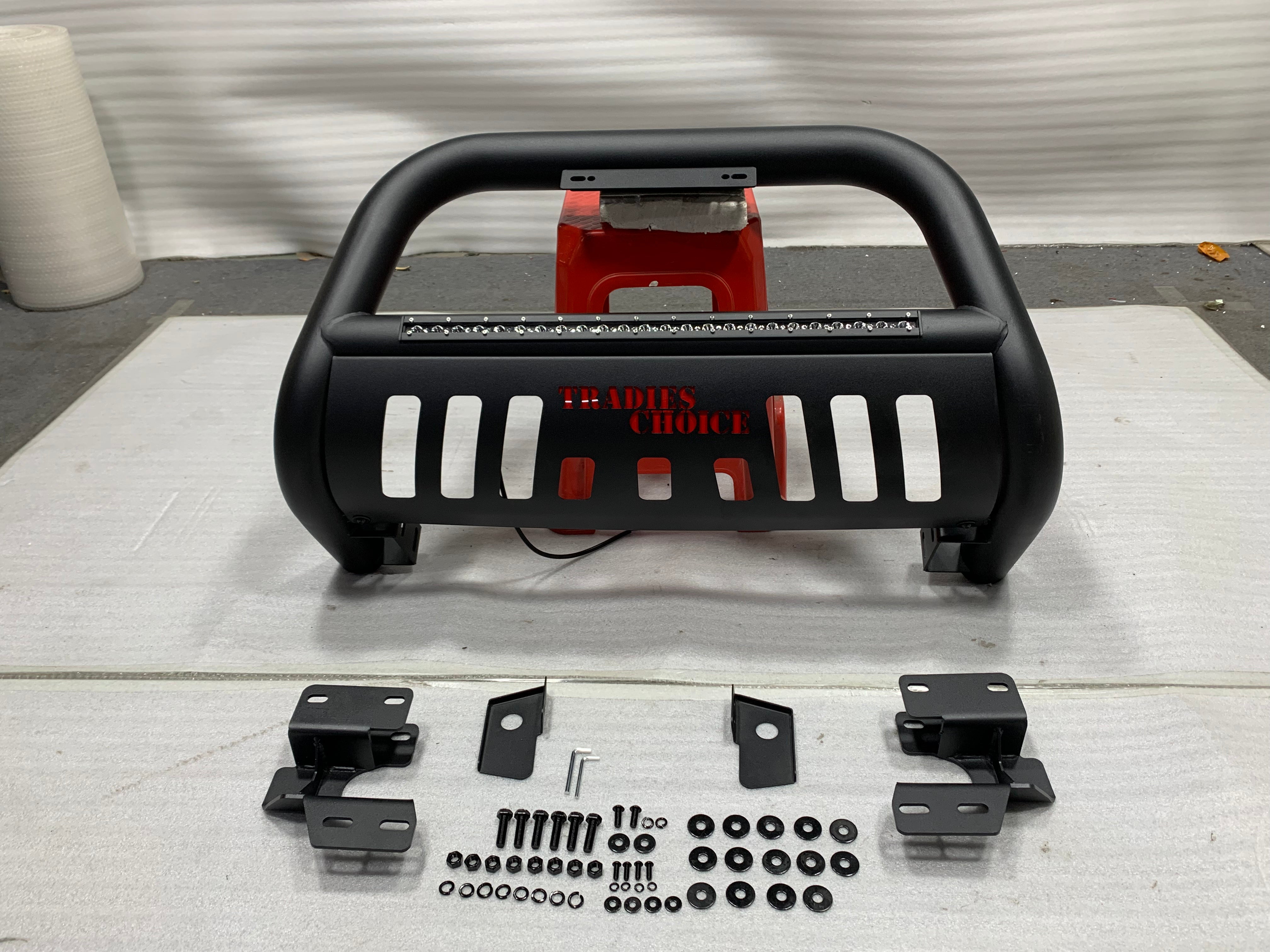
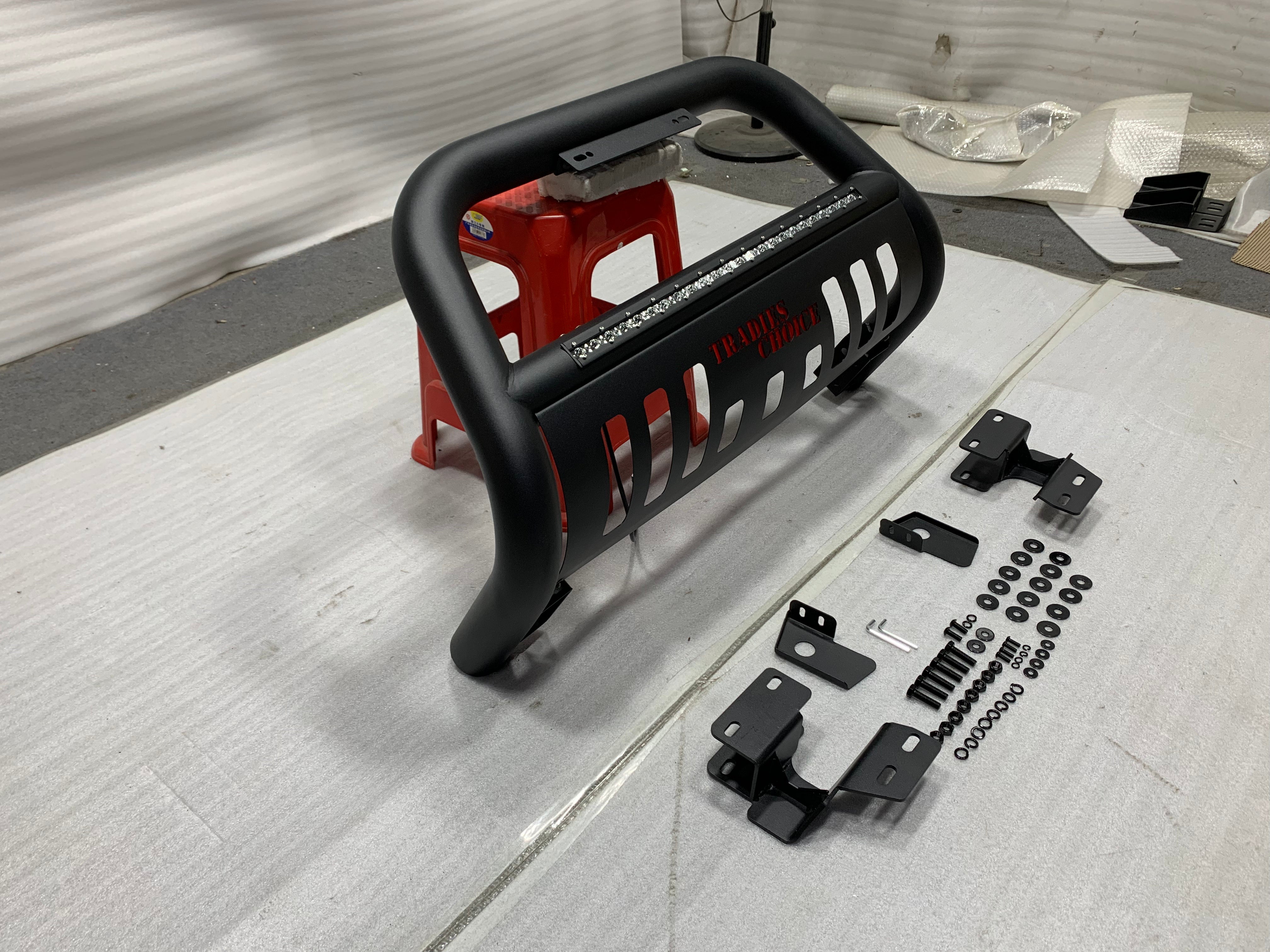
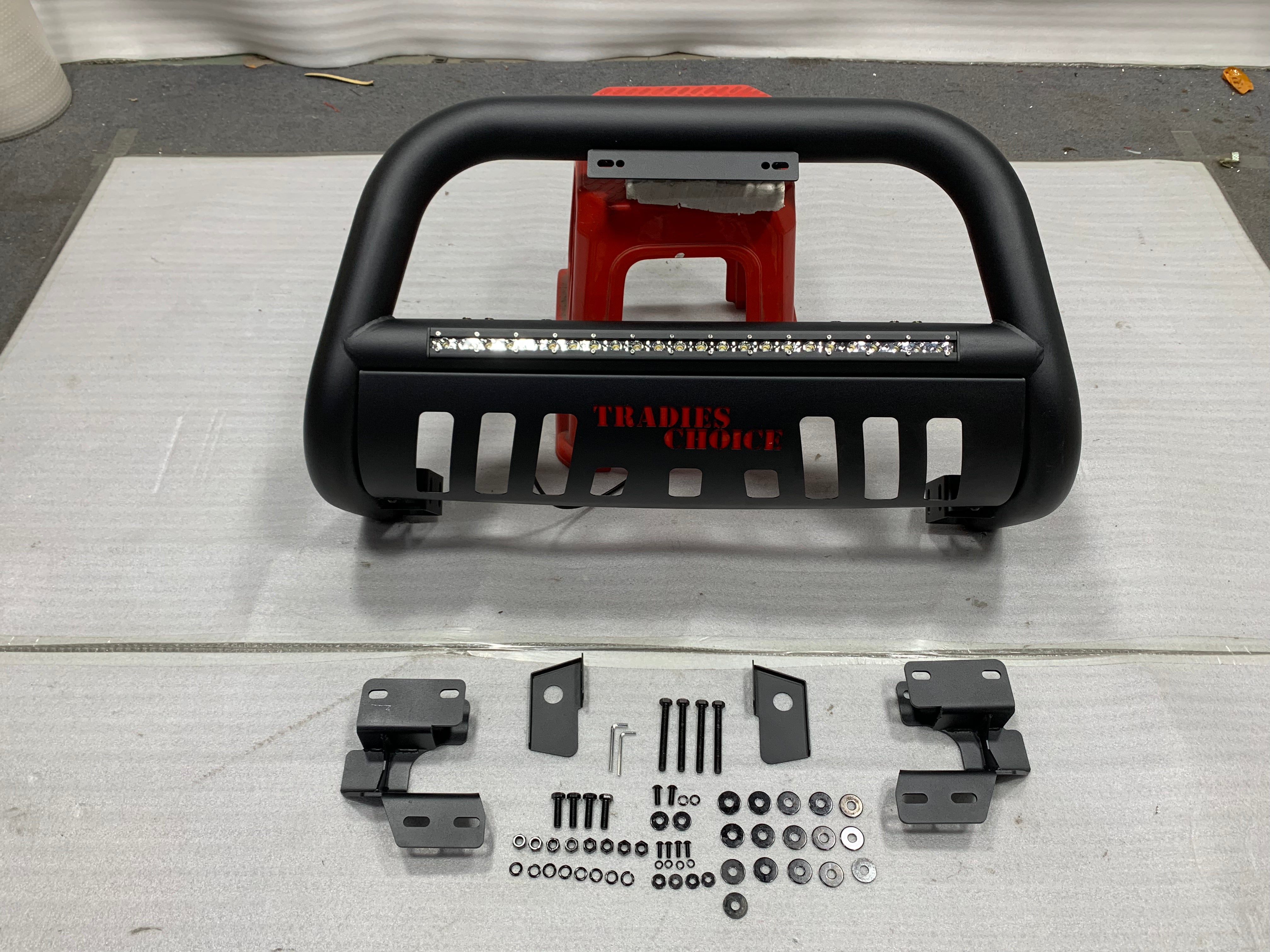
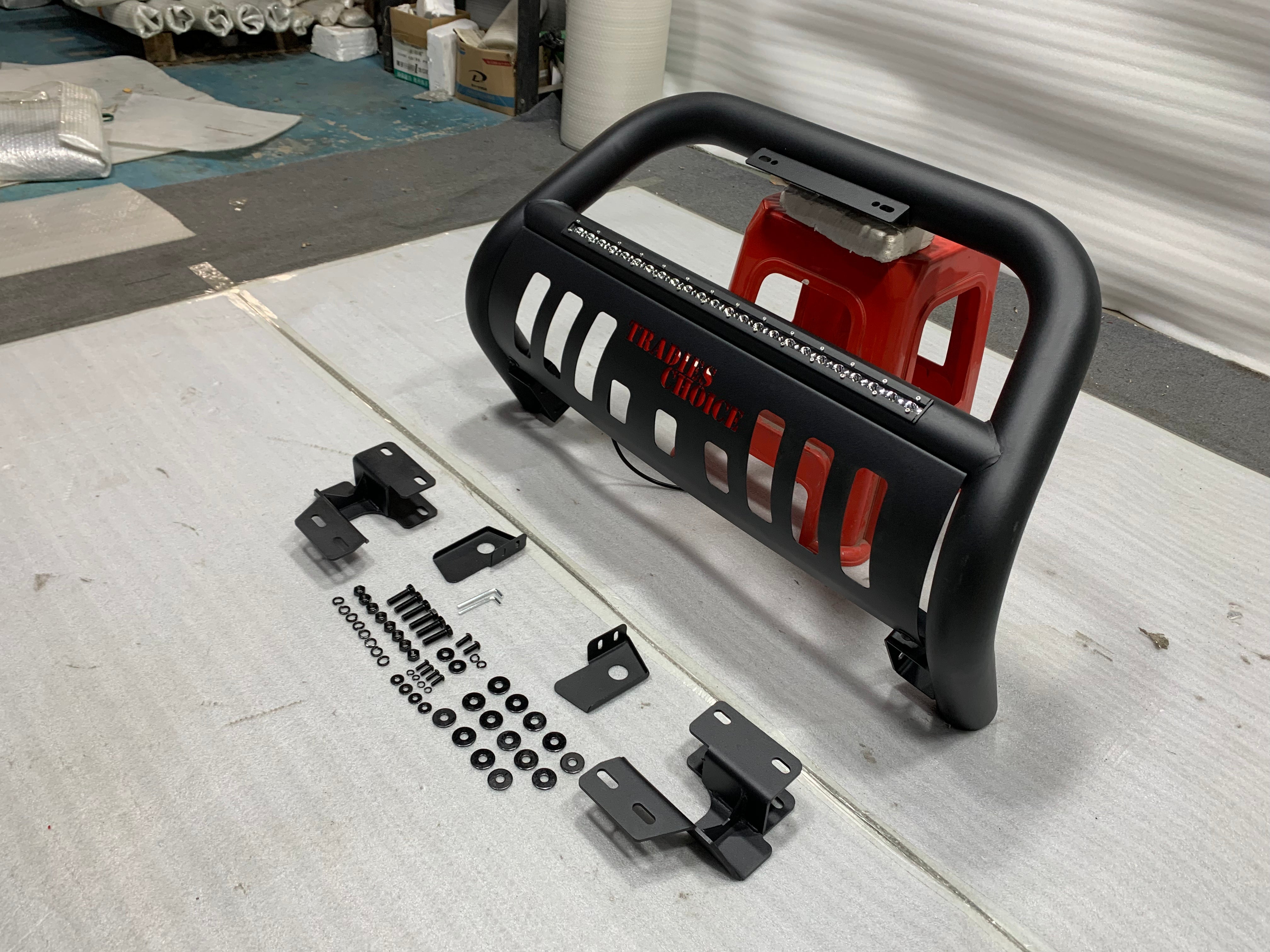
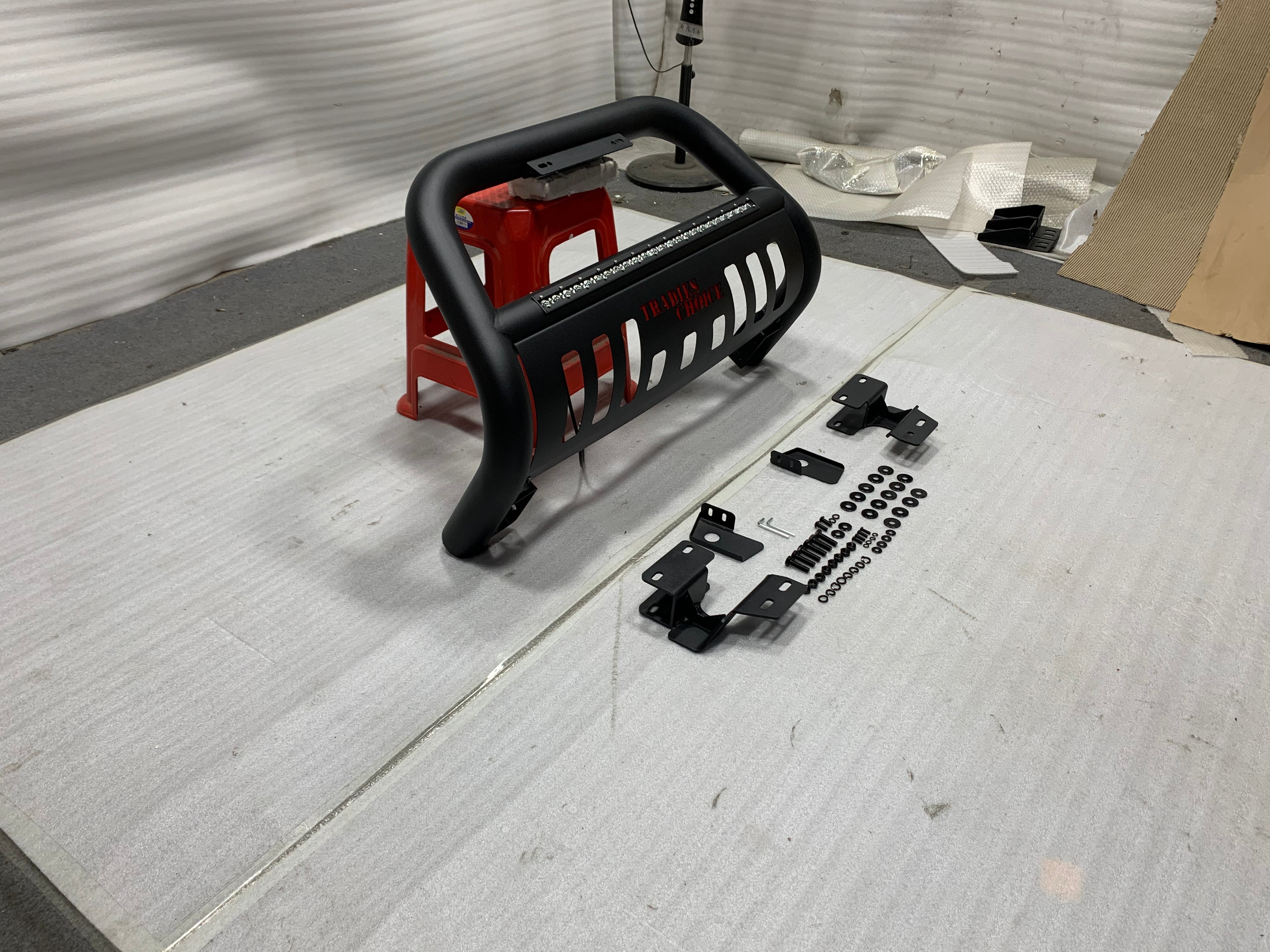
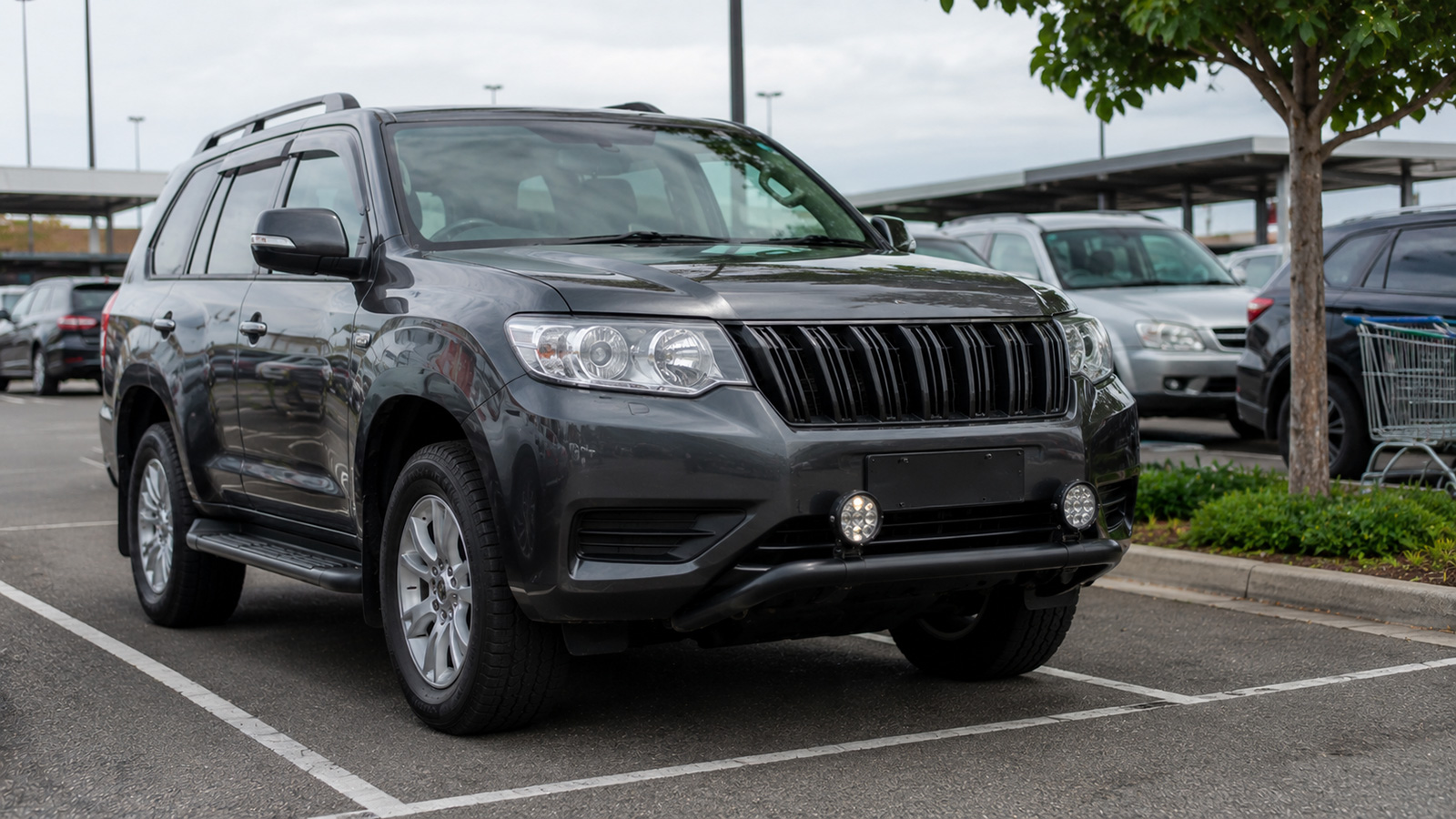
A nudge bar is a lighter, lower-profile front protection accessory that mounts to the front of the vehicle, typically covering the lower bumper area and sometimes extending up around the number plate and fog light clusters. Unlike a full bull bar, it doesn’t wrap around the full front end or provide the same structural protection across the grille, headlights and bonnet line.
The name gives you a reasonable hint at the intent. It’s designed for nudges – low-speed contact, minor impacts, incidental scrapes – rather than serious collisions. That’s not a weakness in the design, it’s just what the product is built for. The question is whether that level of protection is actually useful for how you drive.
What it genuinely protects against
The most practical benefit of a nudge bar is low-speed front-end protection in everyday driving situations. Car parks are the obvious example. A slow-speed bump from a shopping trolley, a careless driver edging forward too far, or a post or bollard that’s harder to see than it should be – these are the kinds of minor incidents that a nudge bar absorbs without damage to the vehicle underneath. Without any front protection, that same contact goes straight to your bumper, sensors or lower grille.
For drivers who regularly park in busy areas, work sites, or anywhere with tight clearances and a lot of vehicle movement, that low-speed protection has real everyday value.
Nudge bars also offer some protection against light scrub and debris on regional roads. Driving through overgrown verges, low branches or light bush contact won’t cause the same kind of damage to the lower front end with a nudge bar fitted as it would on a standard bumper.
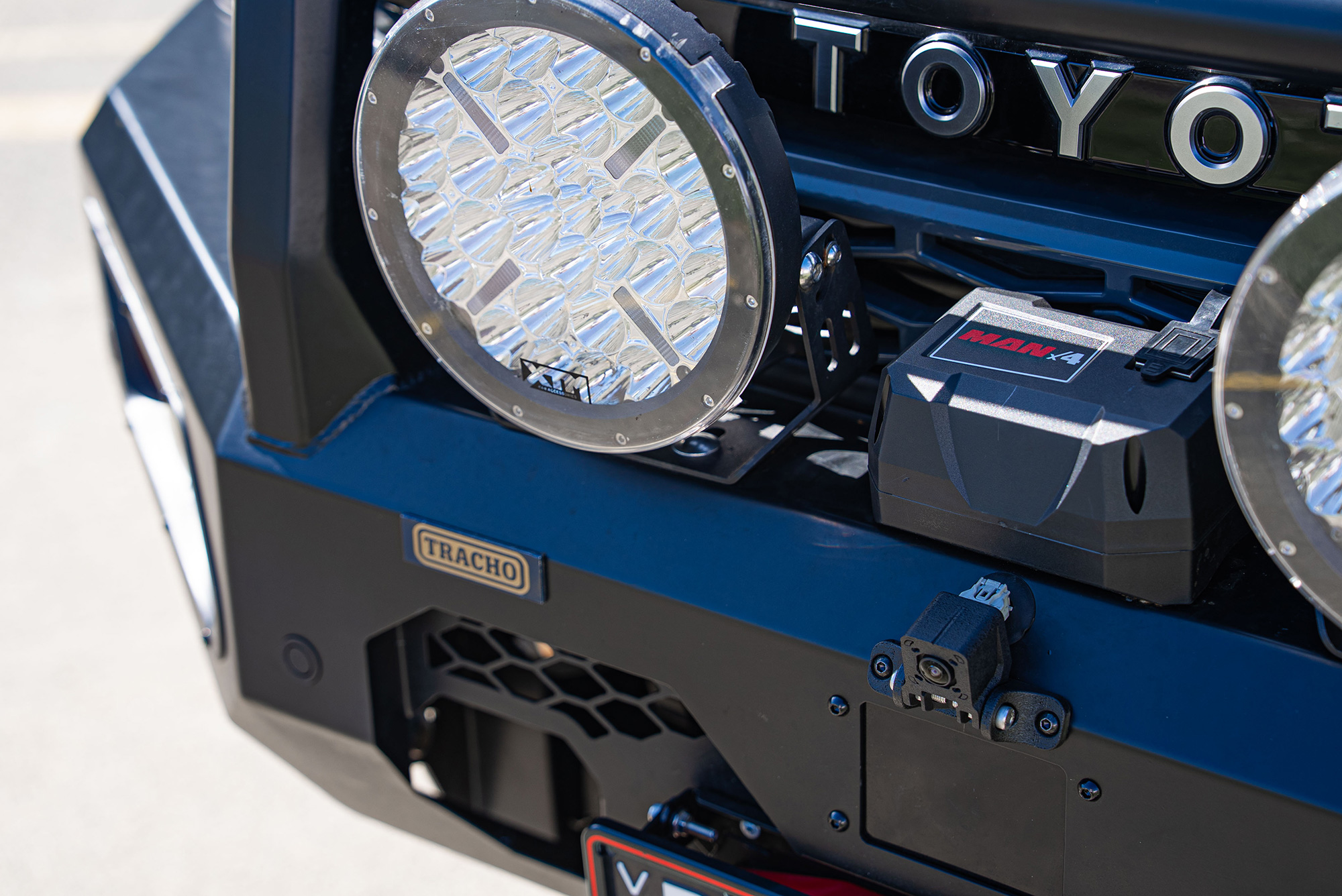
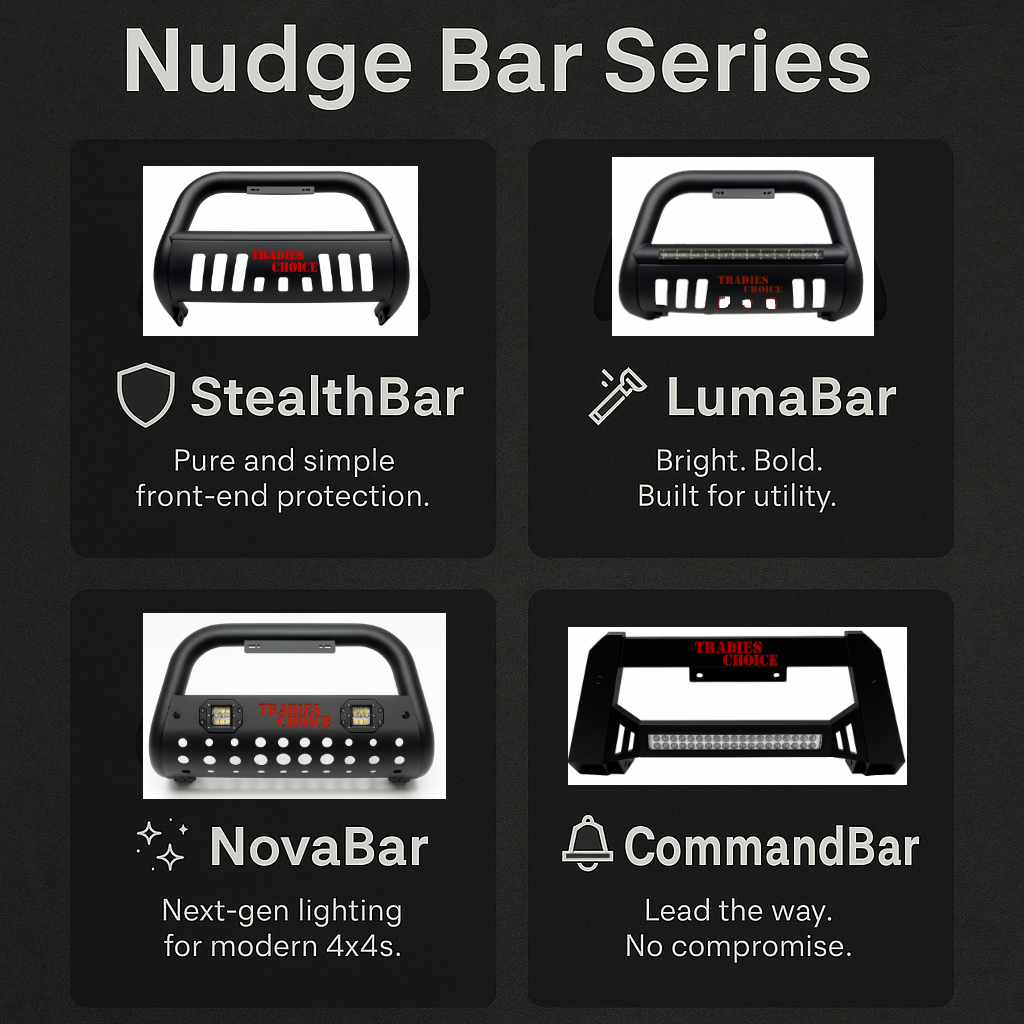
The other practical function is light mounting. Most nudge bars are designed with mounting points for driving lights or light bars, which gives you a clean, solid mounting position without needing a full bull bar. If your main reason for wanting front protection is actually just a decent mounting point for auxiliary lights, a nudge bar often does that job well.
What it doesn’t protect against
This is where it’s important to be clear. A nudge bar is not a substitute for a bull bar in any situation where serious impact protection is needed.
At highway speed, a large animal strike – kangaroo, cow, camel, wombat – will go through or over a nudge bar without meaningful protection to the vehicle’s cooling system, radiator or structural front end components. The nudge bar simply isn’t designed or built to absorb that kind of force. If you’re driving on rural highways or remote roads where large animal strike is a genuine risk, a nudge bar gives you a false sense of security that could end up being expensive or dangerous.
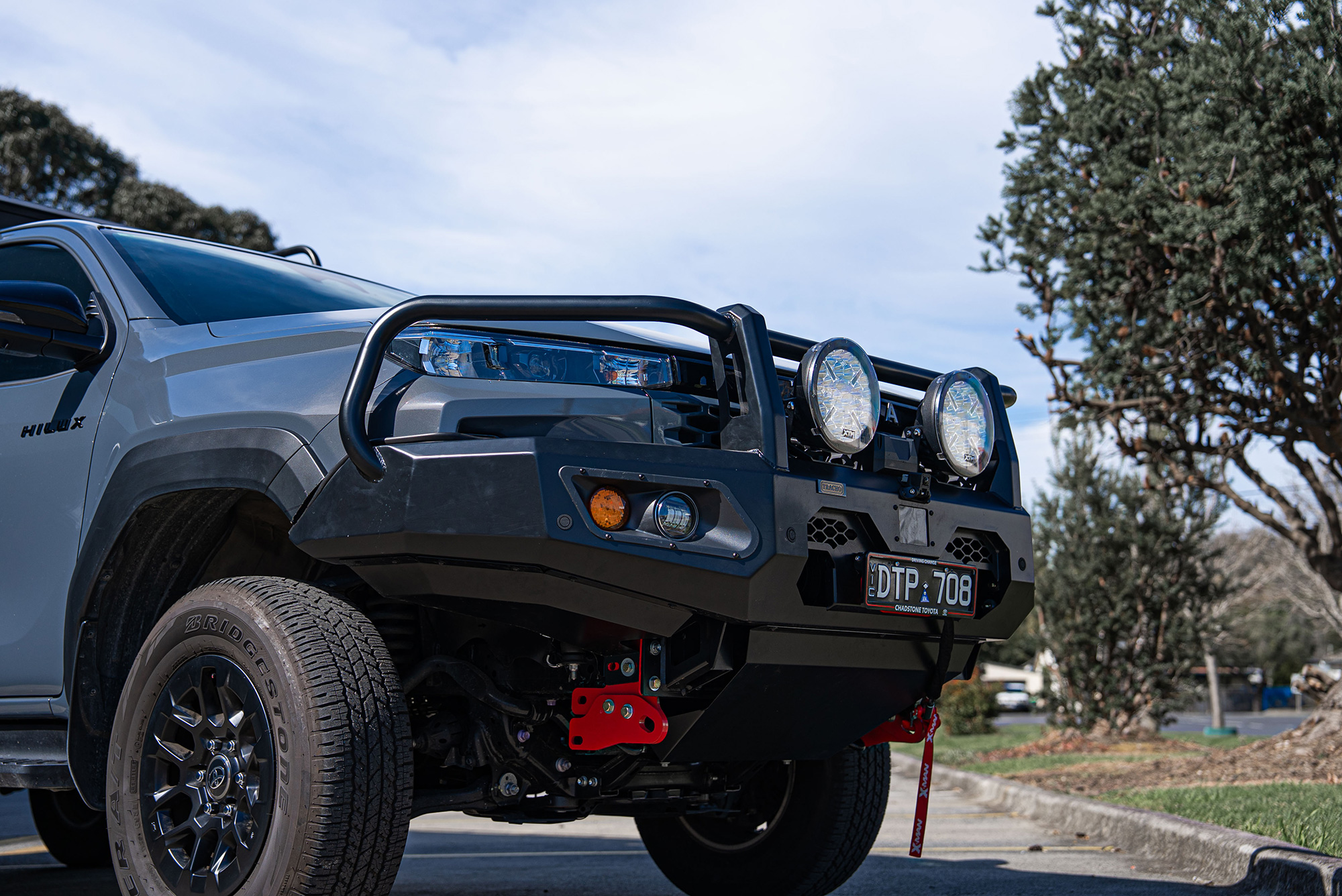
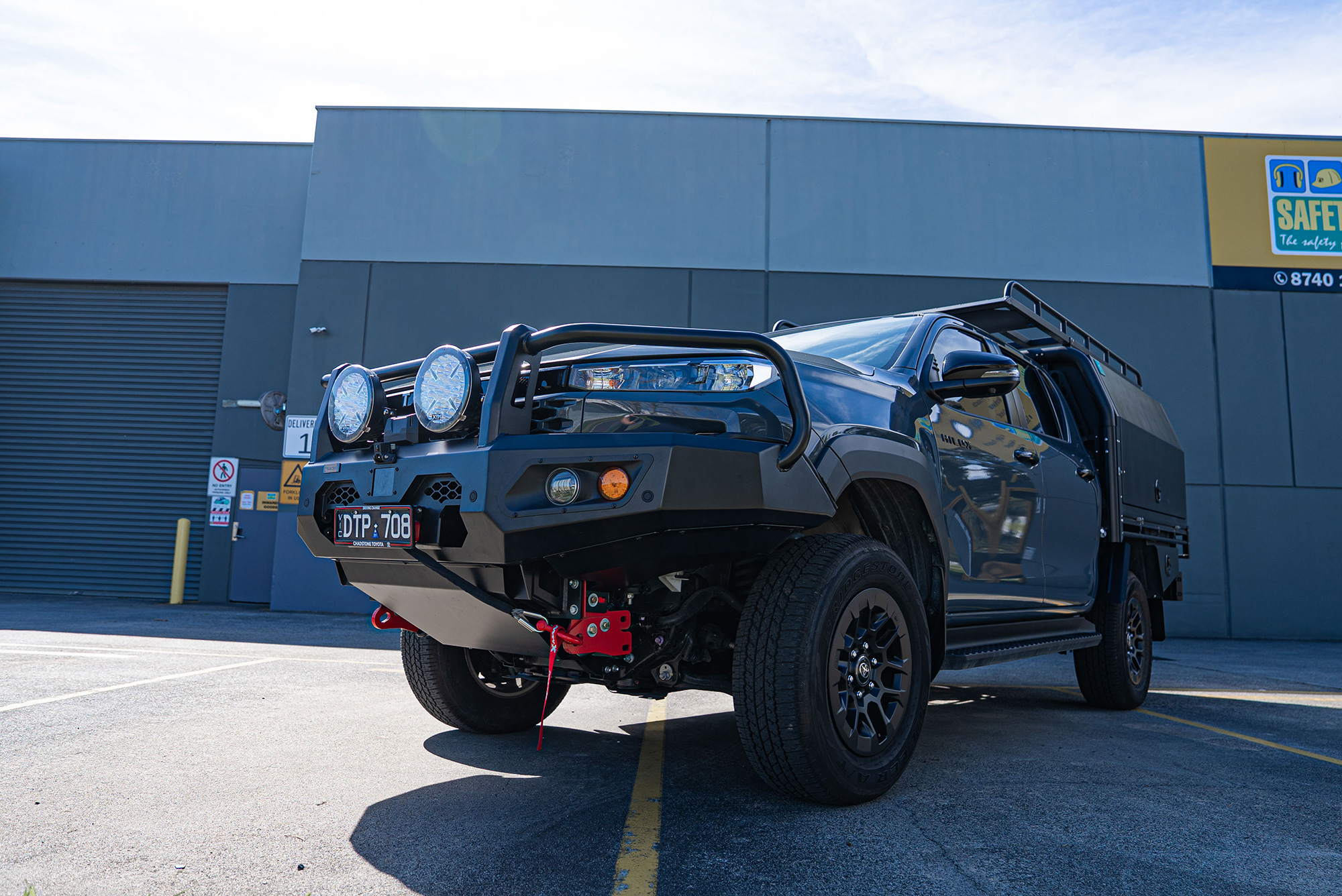
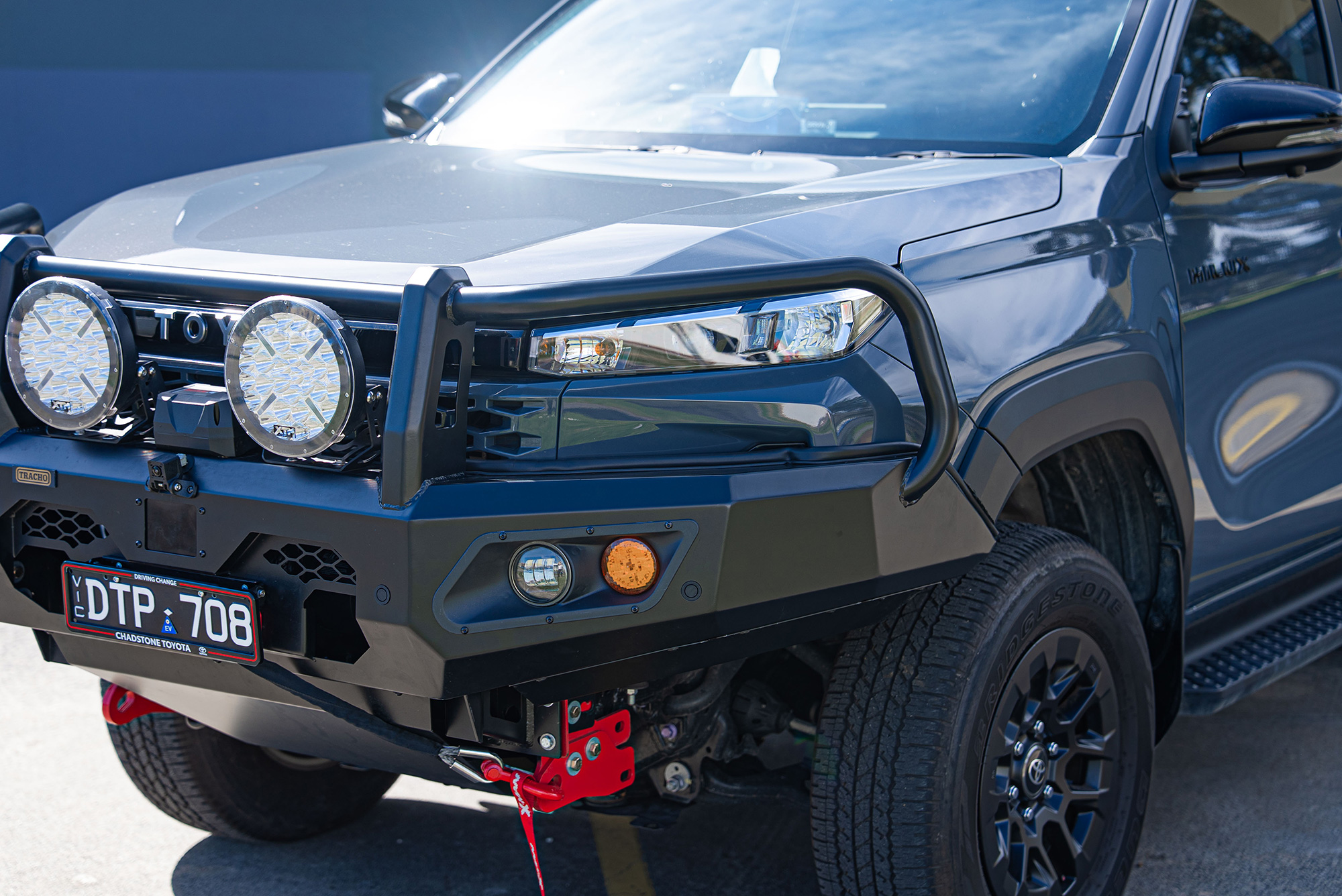
The coverage area is also more limited. A full bull bar wraps around the entire front end and provides protection to the headlights, grille, bonnet leading edge and the full bumper area. A nudge bar focuses on the lower front section. Anything above that – your headlights, the upper grille area – remains exposed.
Understanding this distinction upfront is more useful than finding it out after an incident.
Who nudge bars actually suit

For the right driver, a nudge bar is a practical, cost-effective accessory that solves real problems.
If you’re based in a city or suburban area and your driving is mostly sealed roads, the animal strike risk that makes a full bull bar essential in rural areas simply isn’t part of your daily reality. In that context, the low-speed protection a nudge bar provides – in car parks, on worksites, in tight urban environments – is genuinely useful.
Tradies working on busy sites where the vehicle is constantly manoeuvring around other vehicles, equipment and structures benefit from that lower front-end protection in a practical way. The number of times a work ute gets tapped, nudged or scraped in a busy site environment adds up, and a nudge bar takes those hits without the vehicle underneath suffering for it.
For drivers who do occasional regional driving but aren’t regularly on remote outback roads at dawn and dusk, a nudge bar offers a reasonable level of incidental protection without the weight, cost and presence of a full bull bar. It’s a proportionate response to a moderate level of risk.
Budget is also a factor. A nudge bar costs significantly less than a quality bull bar, and for owners who want some level of front-end protection and a light mounting option without the full investment, it lands in a practical price range.
Who should probably look at a bull bar instead
If your driving regularly takes you into genuine animal strike territory, a bull bar is the right choice and a nudge bar isn’t a suitable alternative. Rural highways, outback tracks, regional roads with grazing livestock nearby, any route where you’re driving at speed in low light conditions with large animals present – these are situations where proper front-end protection matters and a nudge bar won’t deliver it.
The same applies if you’re planning remote travel where recovery gear and a winch are part of your setup. Most nudge bars aren’t designed or rated to support a winch, and the structural requirements for winch mounting are different to what a nudge bar provides. If a winch is part of your plan, you need a bar that’s built for it.
Heavy off-road use is another area where a bull bar makes more sense. If you’re driving through rough terrain, dense scrub or rocky tracks where the front end is going to take real punishment, a nudge bar’s lighter construction isn’t built for that kind of sustained abuse.
A few things to check before buying
Vehicle fitment and sensor compatibility – Nudge bars are vehicle-specific, so make sure whatever you’re looking at is designed for your make and model. More importantly, check how it interacts with your parking sensors. Some nudge bars are designed with sensor compatibility in mind and either integrate with the existing sensor setup or include provisions for sensor relocation. Others can interfere with sensor function if not properly matched to the vehicle. It’s worth confirming this before you buy rather than dealing with warning lights and unreliable sensors after fitment.
Light mounting options – If part of the reason you’re buying a nudge bar is to mount driving lights, check that the bar you’re considering has the right mounting points and is rated for the size and weight of lights you’re planning to fit. Not all nudge bars have the same mounting provisions, and it’s easier to confirm this upfront.
Build quality and finish – Like any front-end accessory, the quality of the steel and the finish matters for how well it holds up over time. A poorly finished bar will rust and look shabby quickly, especially if it’s regularly exposed to rain, mud and road grime. Check the coating and whether it’s designed for Australian conditions before committing.
What you’re actually asking it to do – The most useful question before buying any front protection is being honest about your driving environment. If your honest answer is city and suburban roads with occasional regional highways, a nudge bar is a sensible fit. If your honest answer includes remote roads, high-speed rural driving and genuine animal strike risk, you already know you need something more.
Nudge bars do something useful – they just don’t do everything. For drivers whose real-world conditions are urban or light regional use, they provide practical low-speed protection, a light mounting point and reasonable value for money. For anyone heading into serious animal strike territory or remote conditions, they’re not the right tool and a bull bar is the better investment. Know which category your driving falls into and the decision is fairly simple.