Touring vs Daily Driving – Do You Really Need a Different Setup for Each?
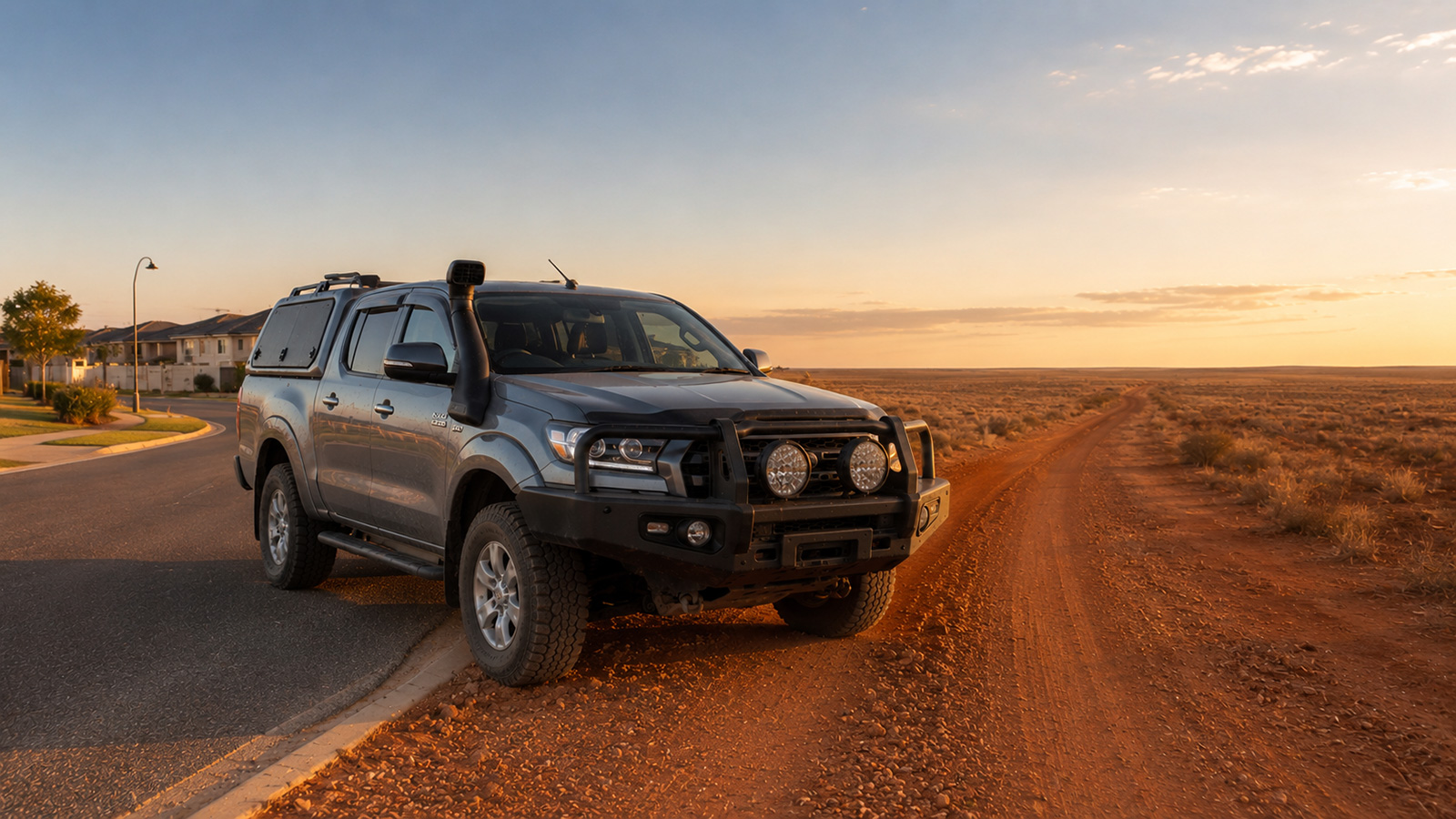
If you use your 4×4 or ute for both daily driving and the occasional touring trip, you’ve probably wondered at some point whether you need a completely different set of accessories for each. It’s a reasonable question. The conditions are different, the demands are different, and the gear that makes sense on a remote outback track isn’t always the same gear that makes sense in suburban traffic.
The honest answer is that it depends – but probably less than you think. Some accessories genuinely earn their place in both situations. Others are specific to one use case. And a few things that look like touring-only gear are actually useful every day. This article is about helping you figure out which is which for your specific situation.
The assumption worth questioning
The idea that touring and daily driving need completely separate setups usually comes from one of two places. Either someone has gone deep into the touring world and started to see every trip as requiring maximum preparation, or someone is new to 4x4s and assumes that anything beyond a standard vehicle is overkill for everyday use.
Both assumptions miss the middle ground, which is where most people actually live. The majority of 4×4 and ute owners in Australia are using the same vehicle for work or daily driving during the week and getting out on trips on weekends or during holidays. The question isn’t really “which setup do I need” – it’s “what base setup covers both, and what do I add for trips?”
What daily driving actually demands
Daily driving in an Australian context covers a lot of ground. For some people it means mostly city and suburban roads with the occasional highway run. For others it means regular gravel roads, regional highways with wildlife, or driving through areas where road conditions vary significantly by season.
For genuinely urban daily driving, the honest truth is that your vehicle doesn’t need much beyond what it came with from the factory. The conditions are predictable, the roads are maintained, and the risks are relatively low. Accessories that add weight, affect fuel economy or change the vehicle’s profile are harder to justify if your ute never leaves the suburb.
But most 4×4 owners aren’t in that category. If your daily driving includes any time on regional roads, gravel, or highways through areas with kangaroos and livestock, some accessories start making sense not just for touring but for every day. That’s where the overlap begins.
What touring actually demands
Touring – whether that means a two-week outback trip, a coastal camping run, or a remote track in the high country – puts genuinely different demands on a vehicle and its setup.
Distance and remoteness change the calculation. When you’re hours from the nearest town, front-end protection against animal strike isn’t optional in the same way it might feel for a city driver. Being able to carry enough gear, food and water requires proper storage. Driving in the dark on unfamiliar roads with no street lighting makes auxiliary lighting far more valuable than it is in the suburbs. And in some terrain, recovery gear becomes relevant in a way it never would be on a sealed road.
Touring also tends to mean longer consecutive days of driving, rougher roads, and conditions that will expose any weak points in your setup quickly. Gear that works fine for a weekly grocery run might not hold up across a thousand kilometres of corrugated dirt.
Where the overlap is bigger than you think

The accessories that genuinely serve both daily driving and touring are the ones worth prioritising in a base setup.
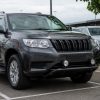
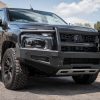
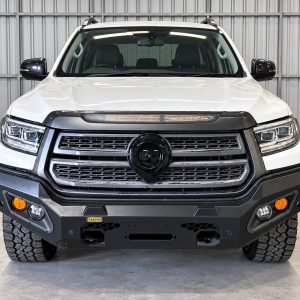
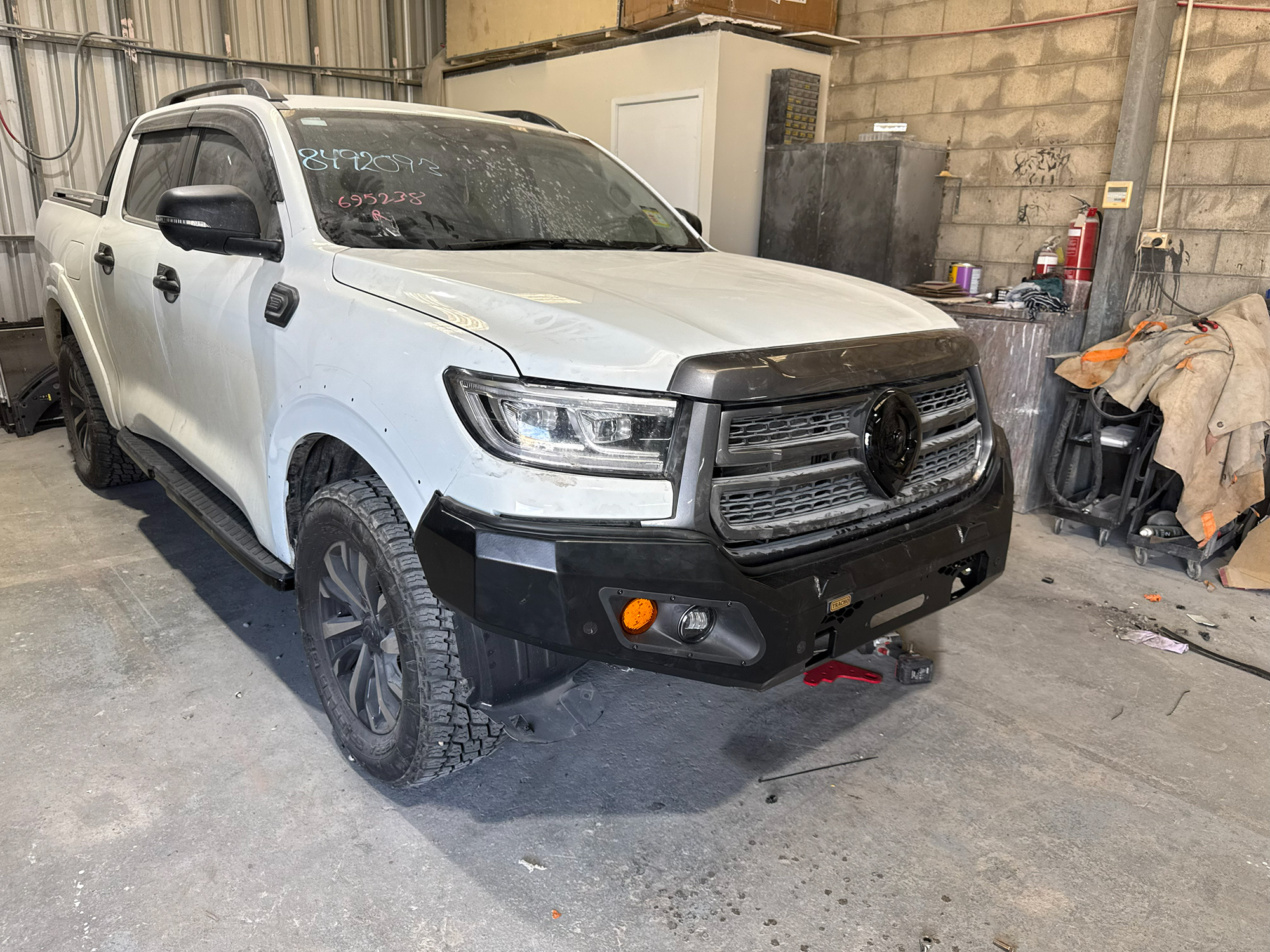
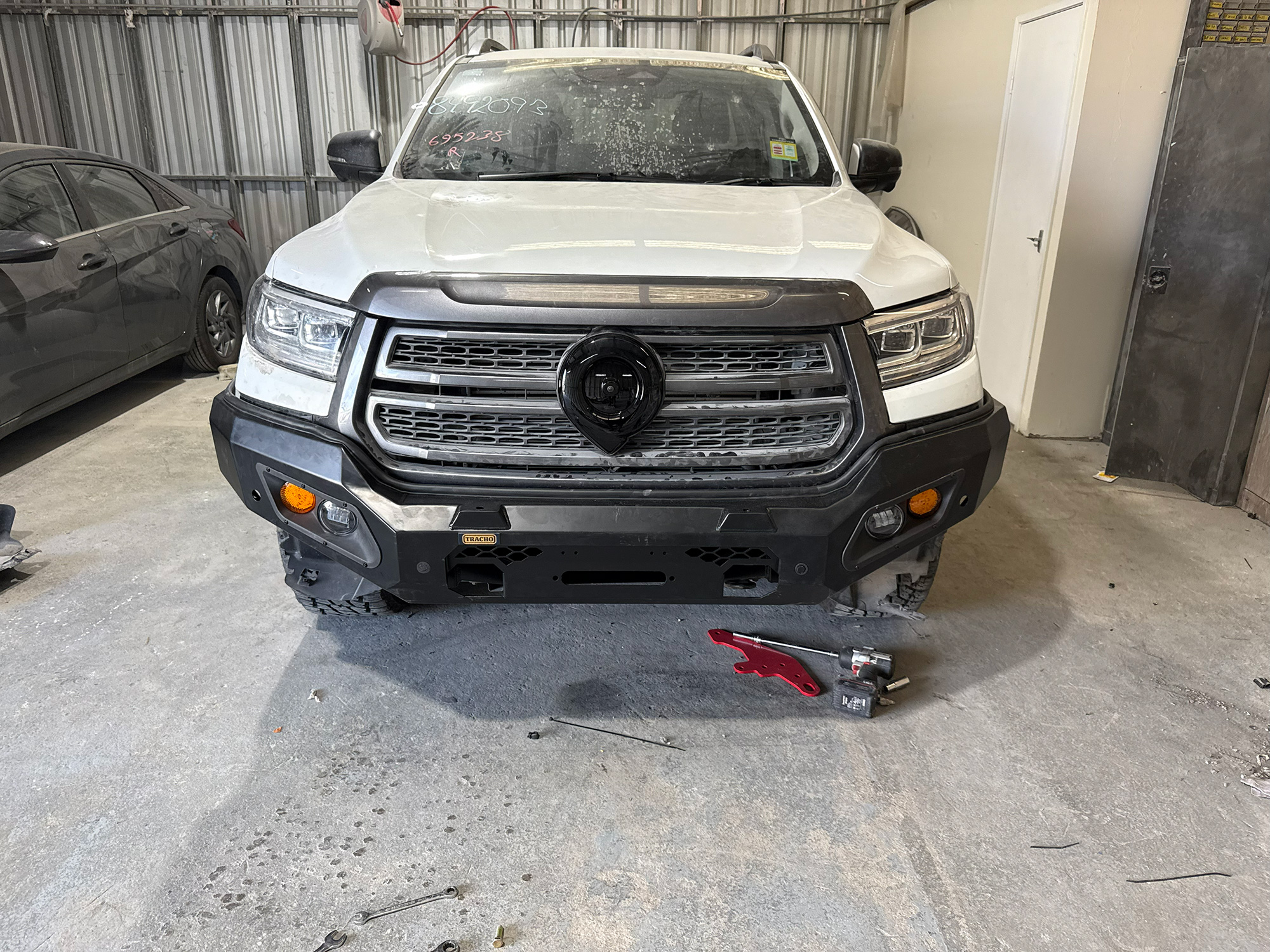
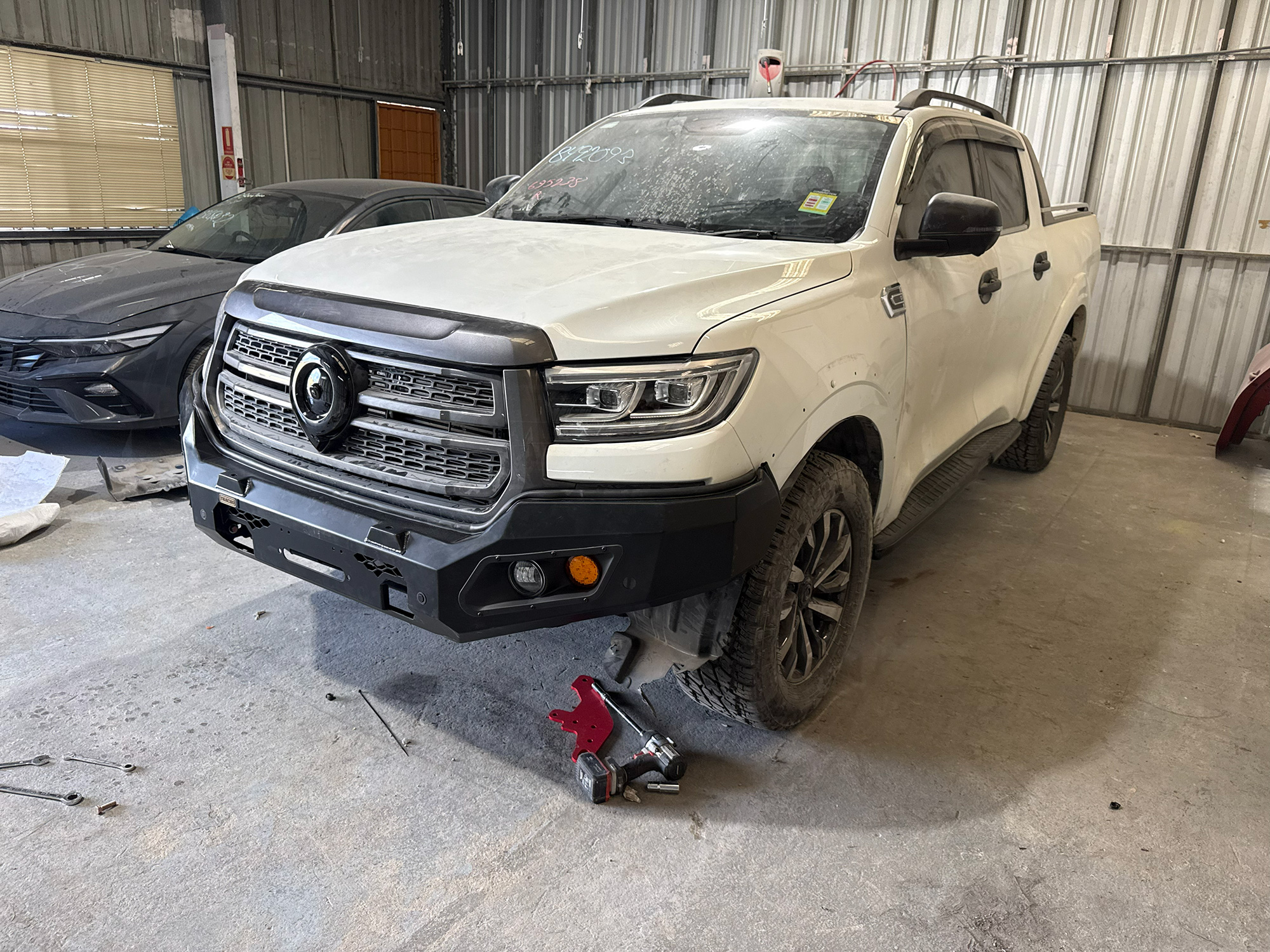
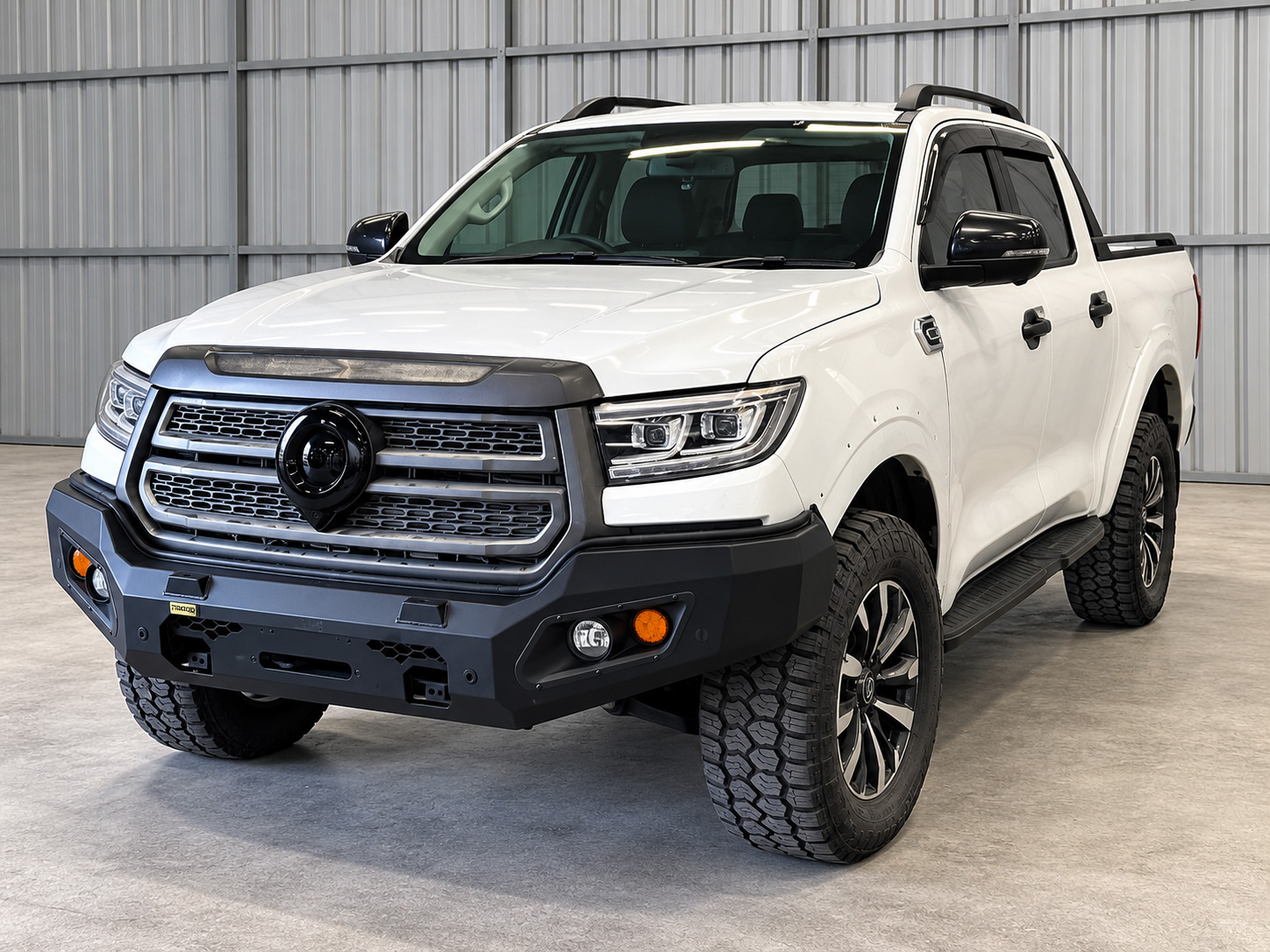
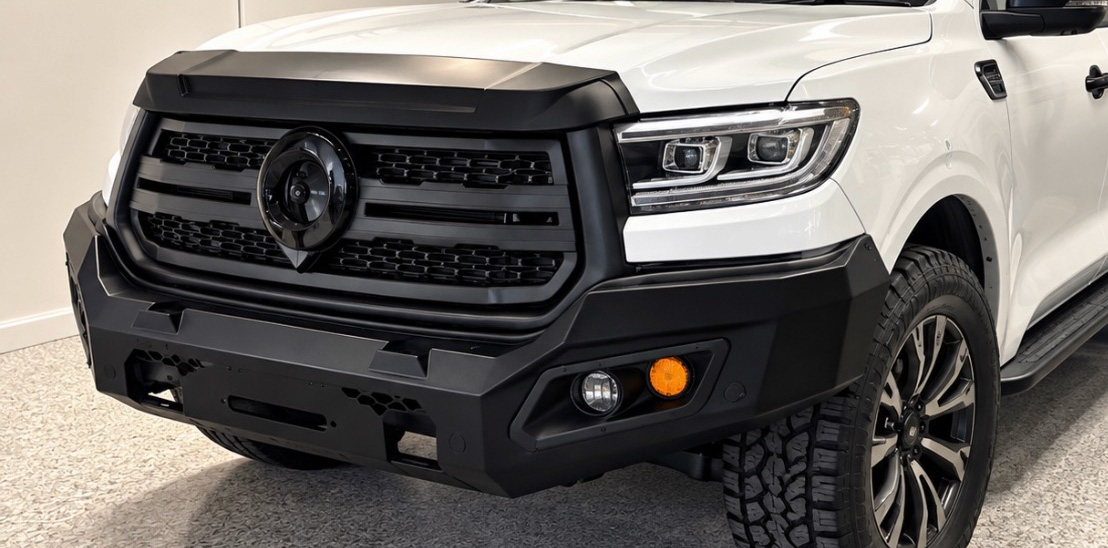
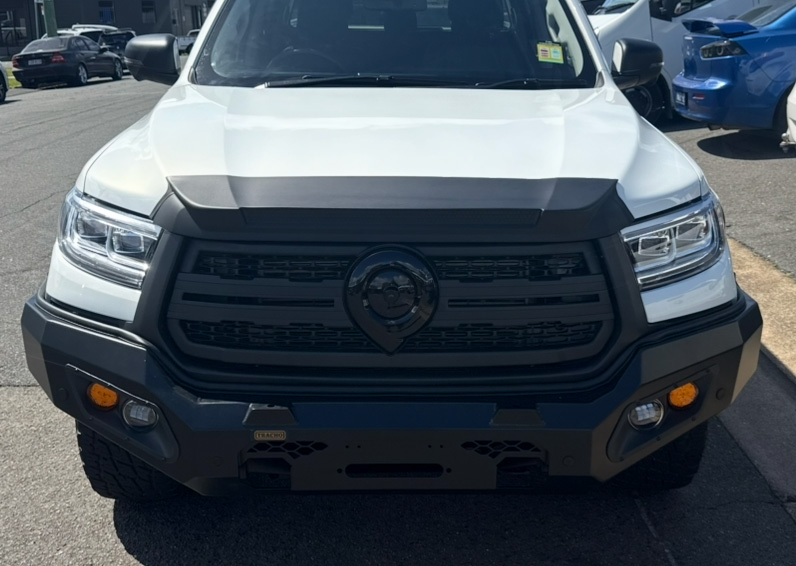
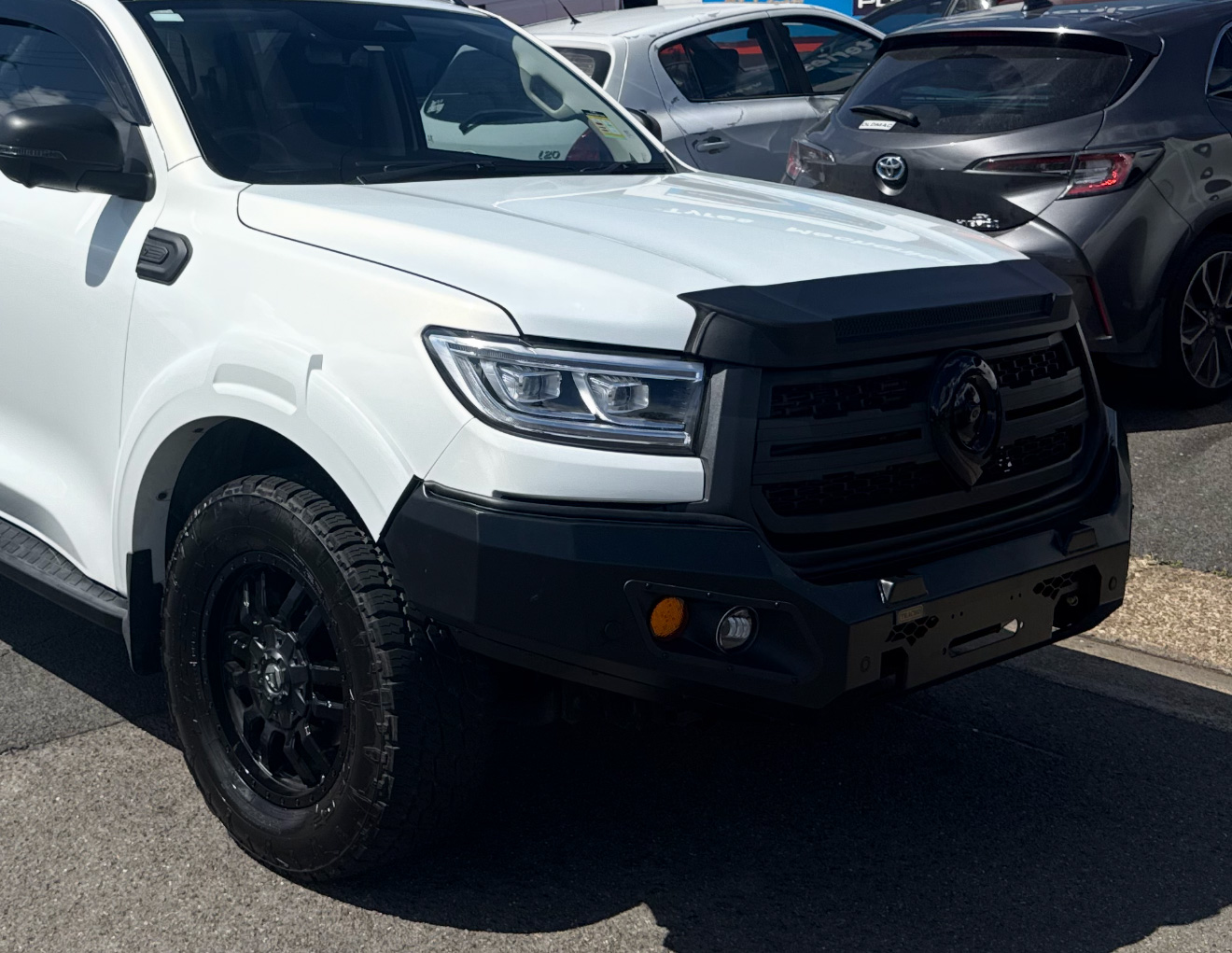
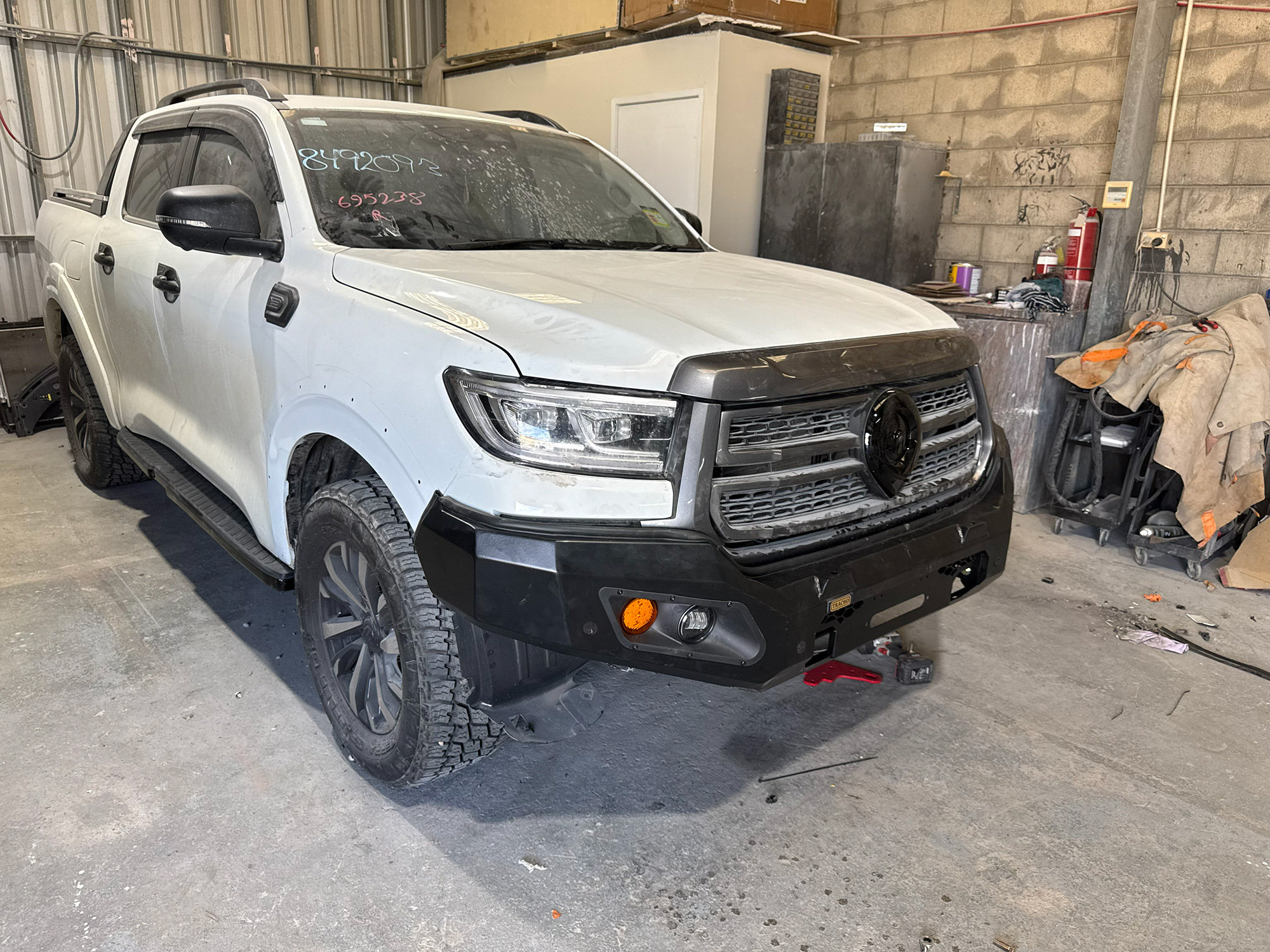
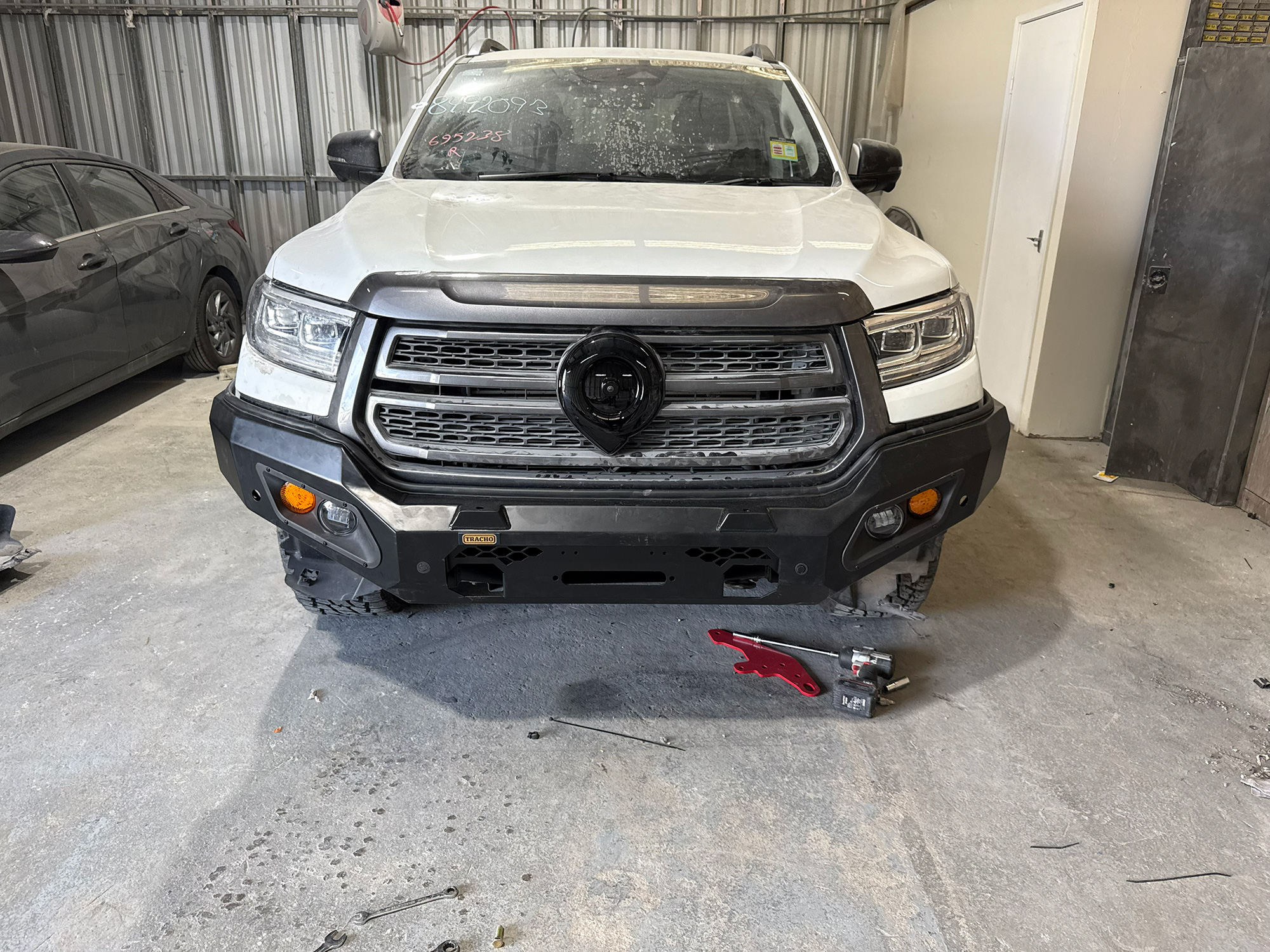
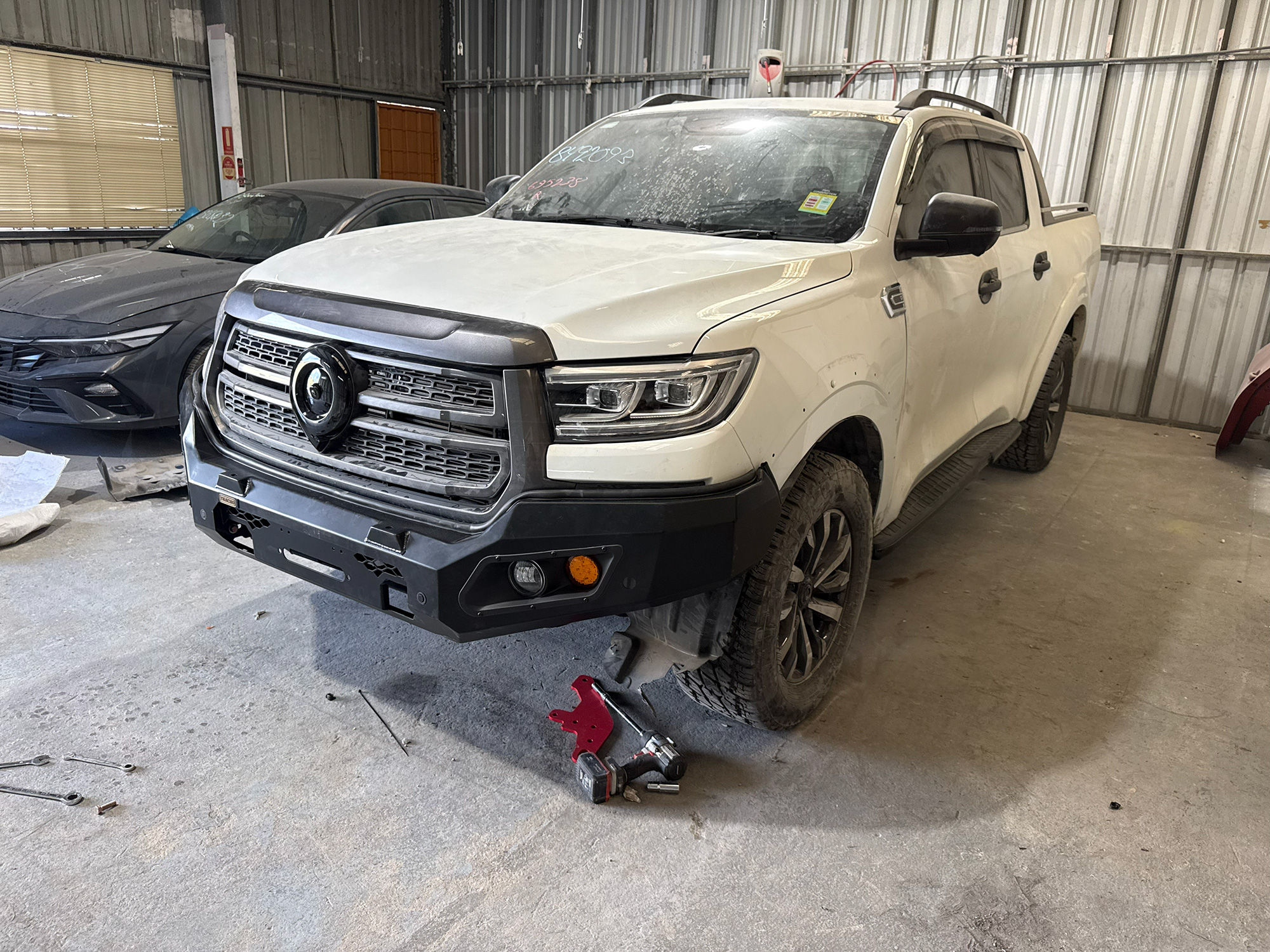
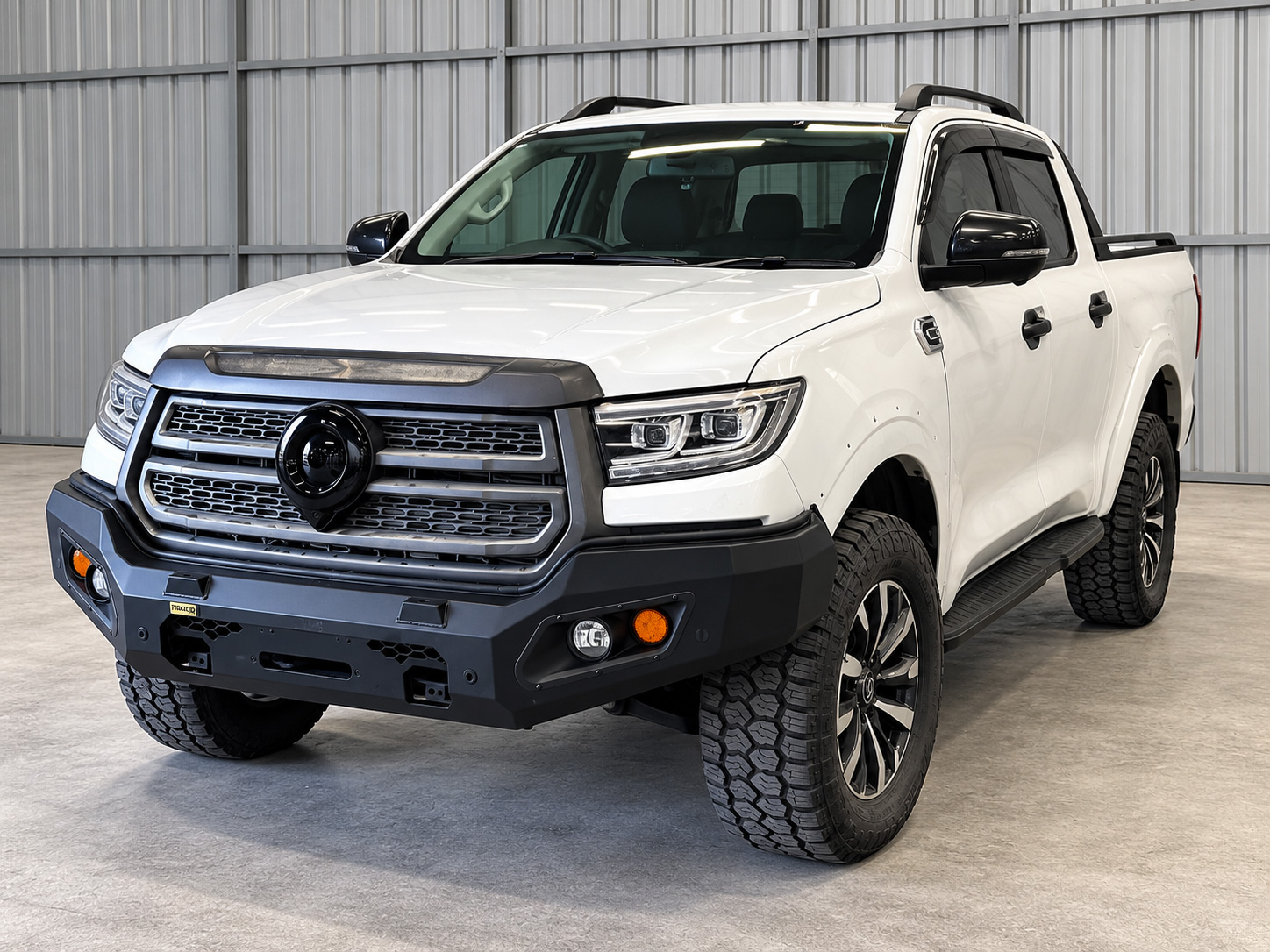
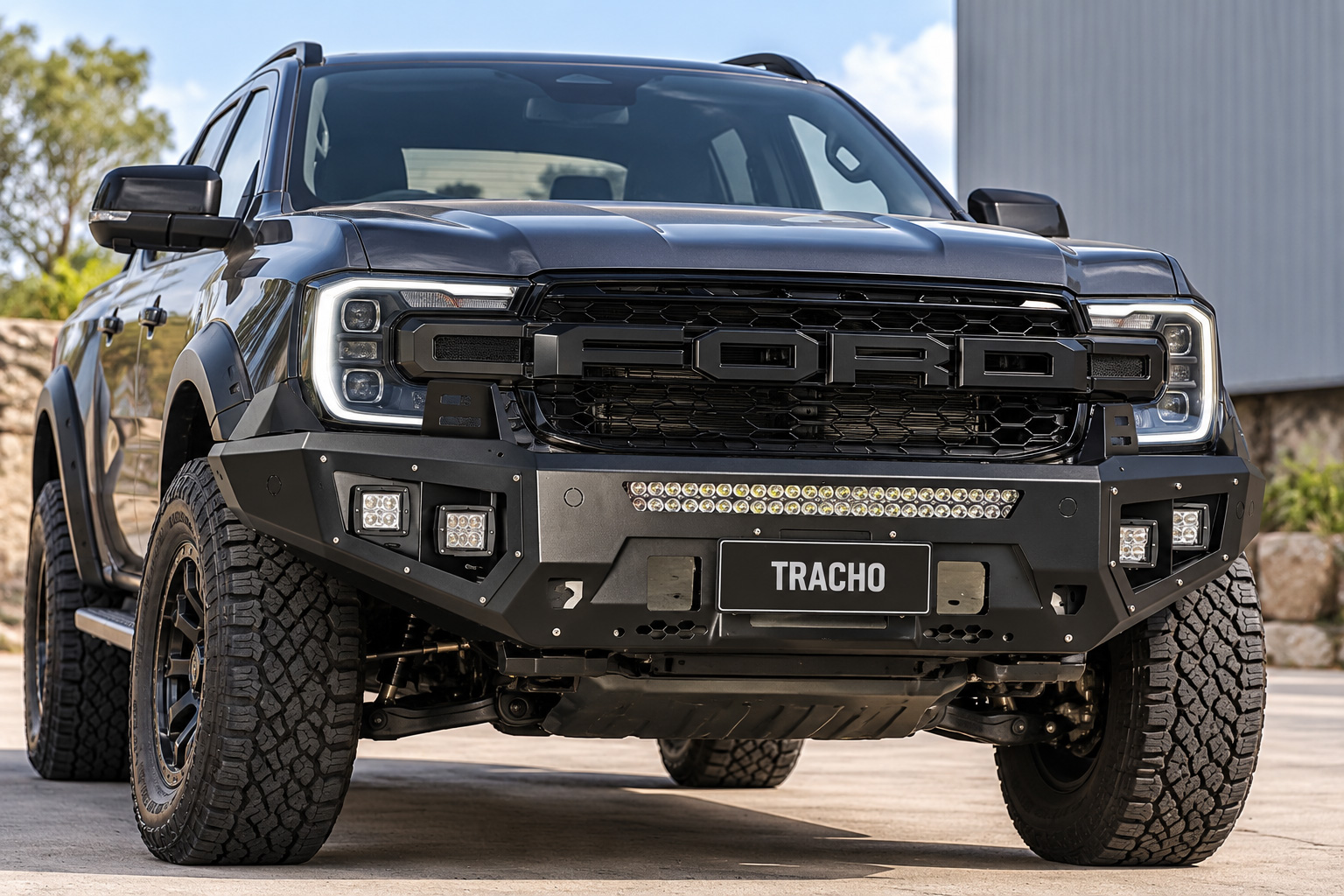
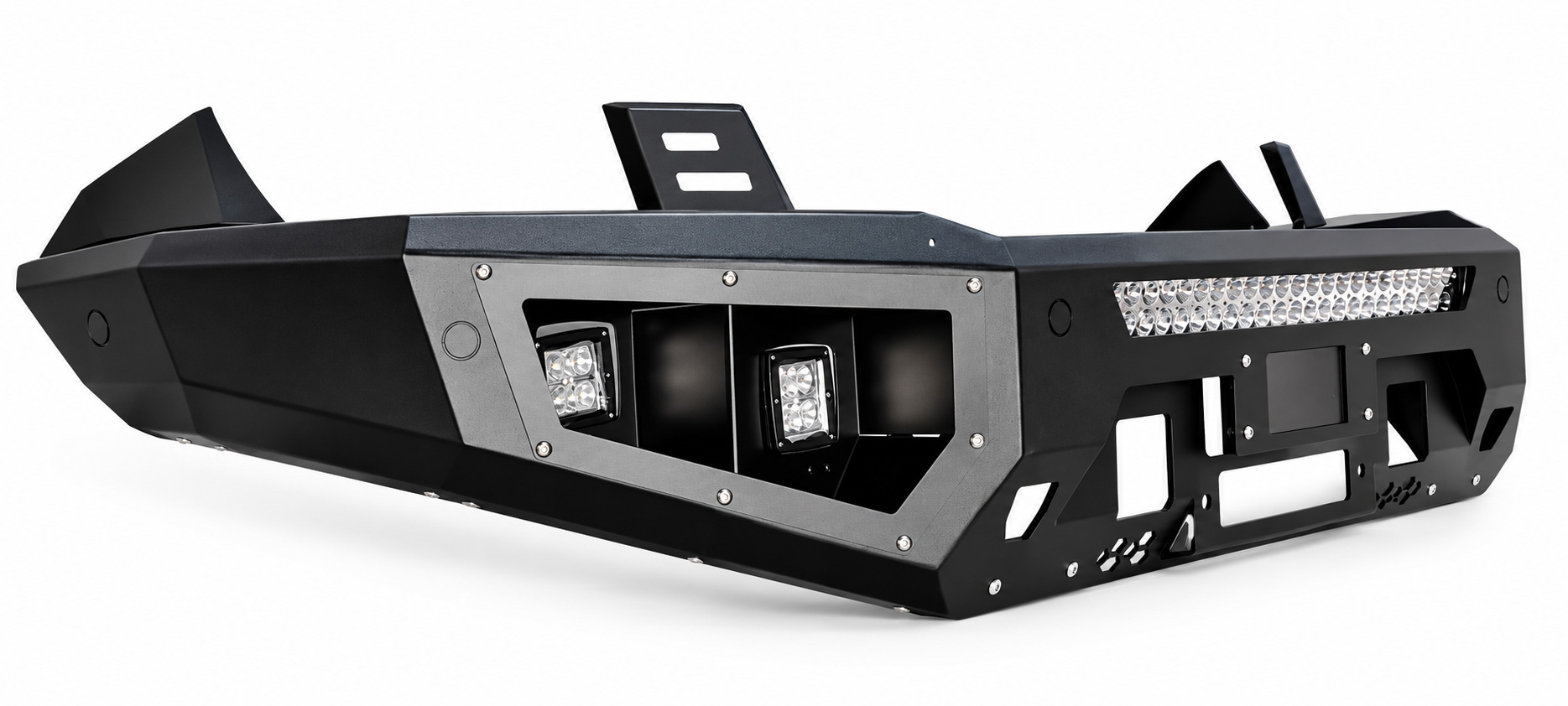
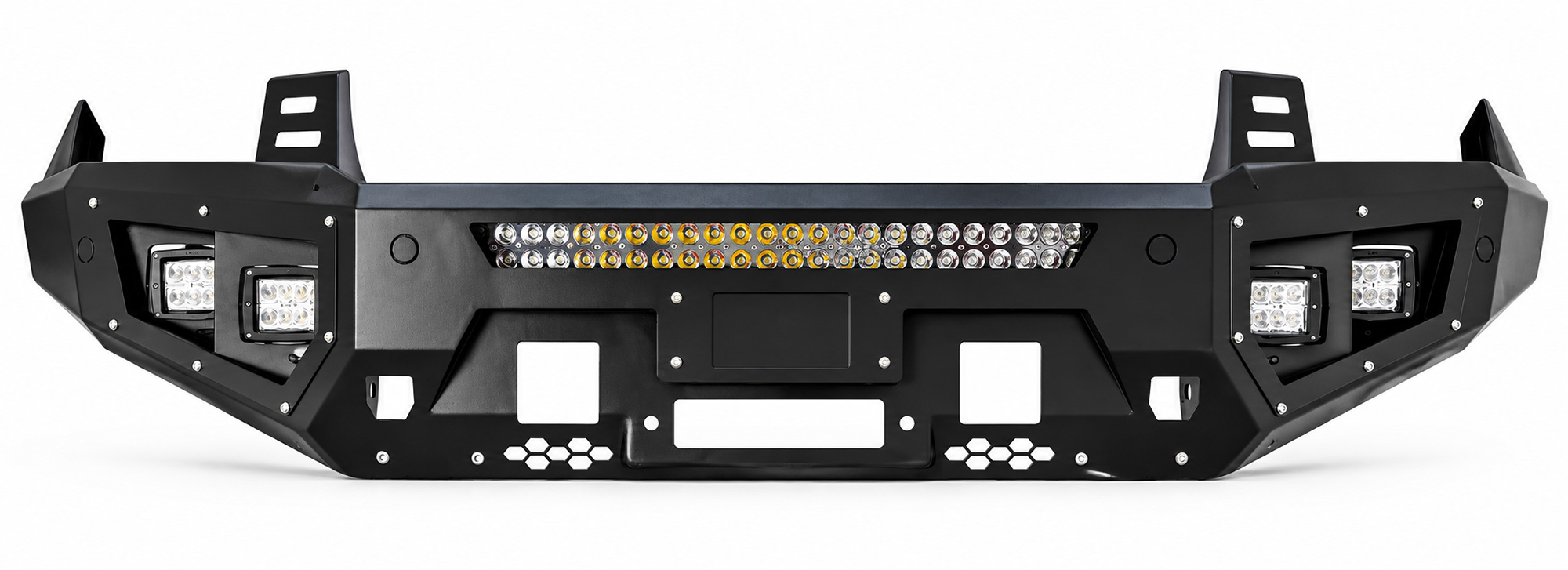
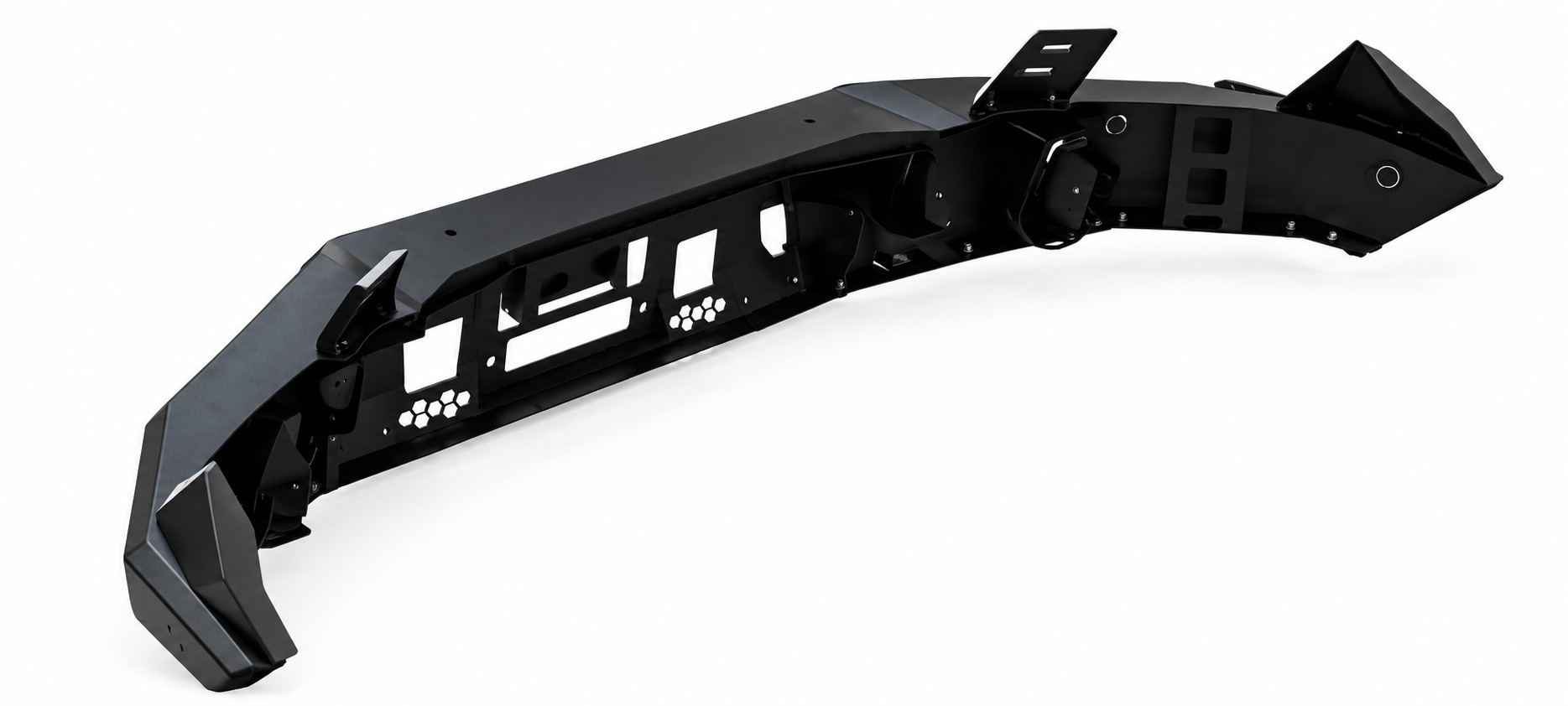
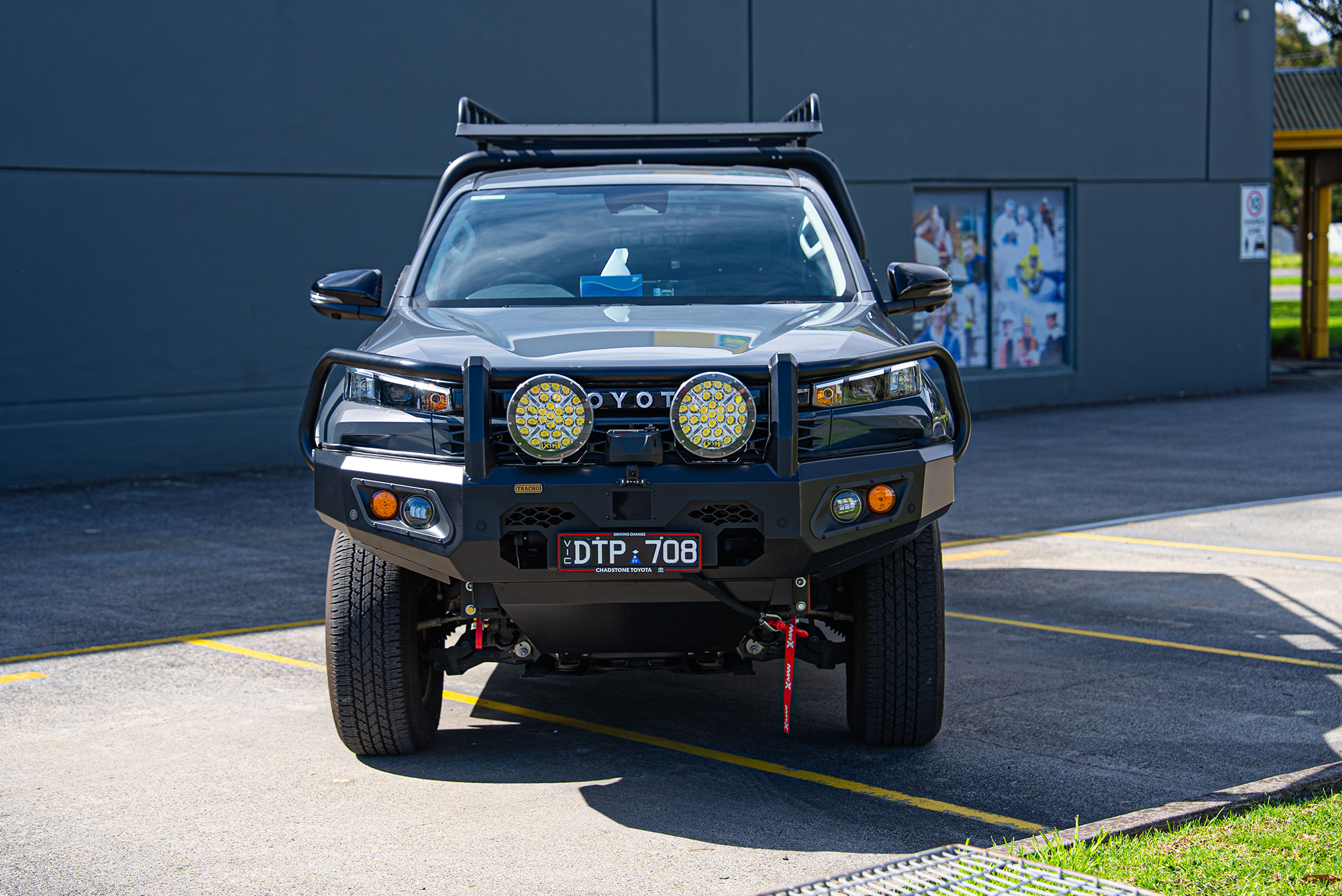
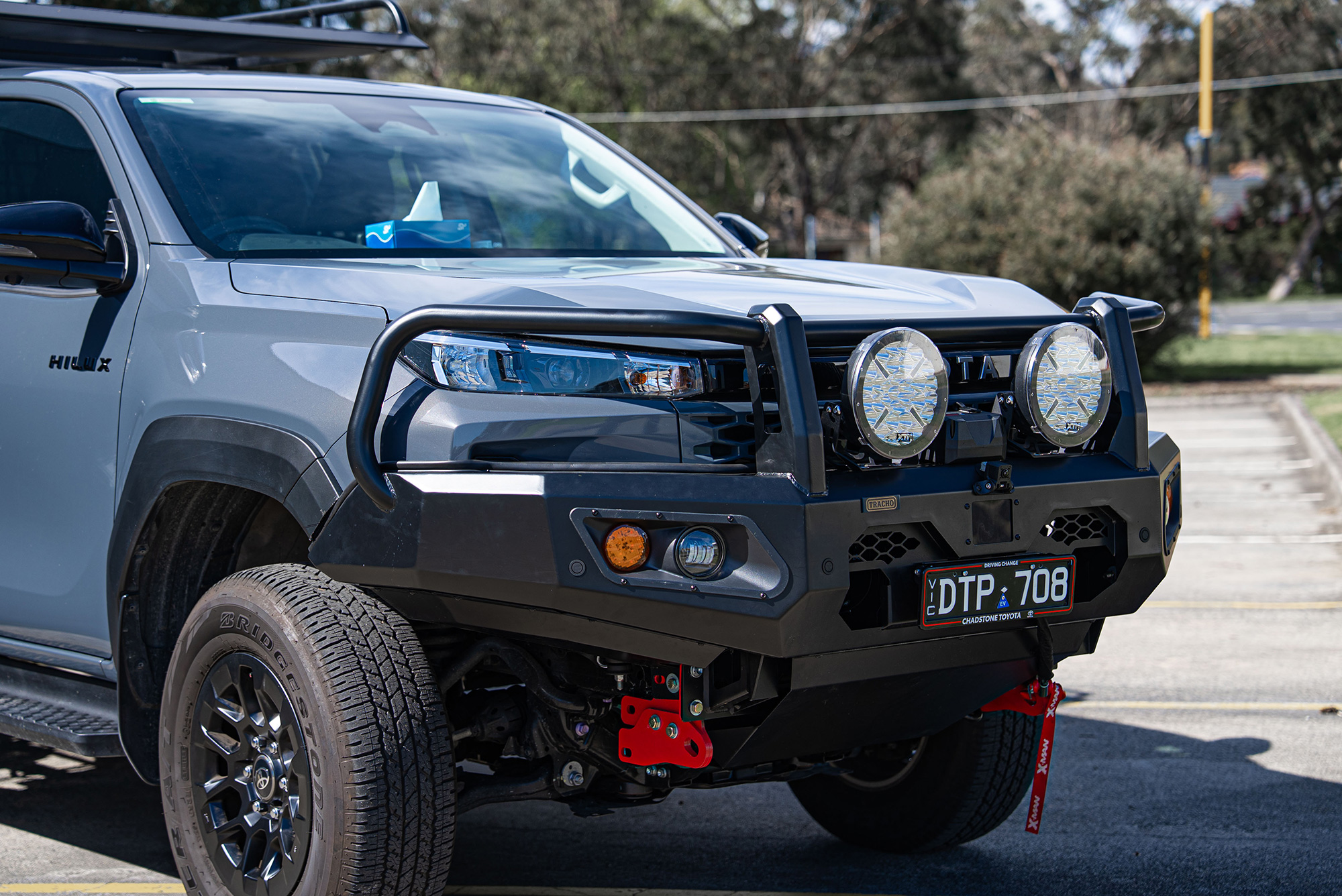
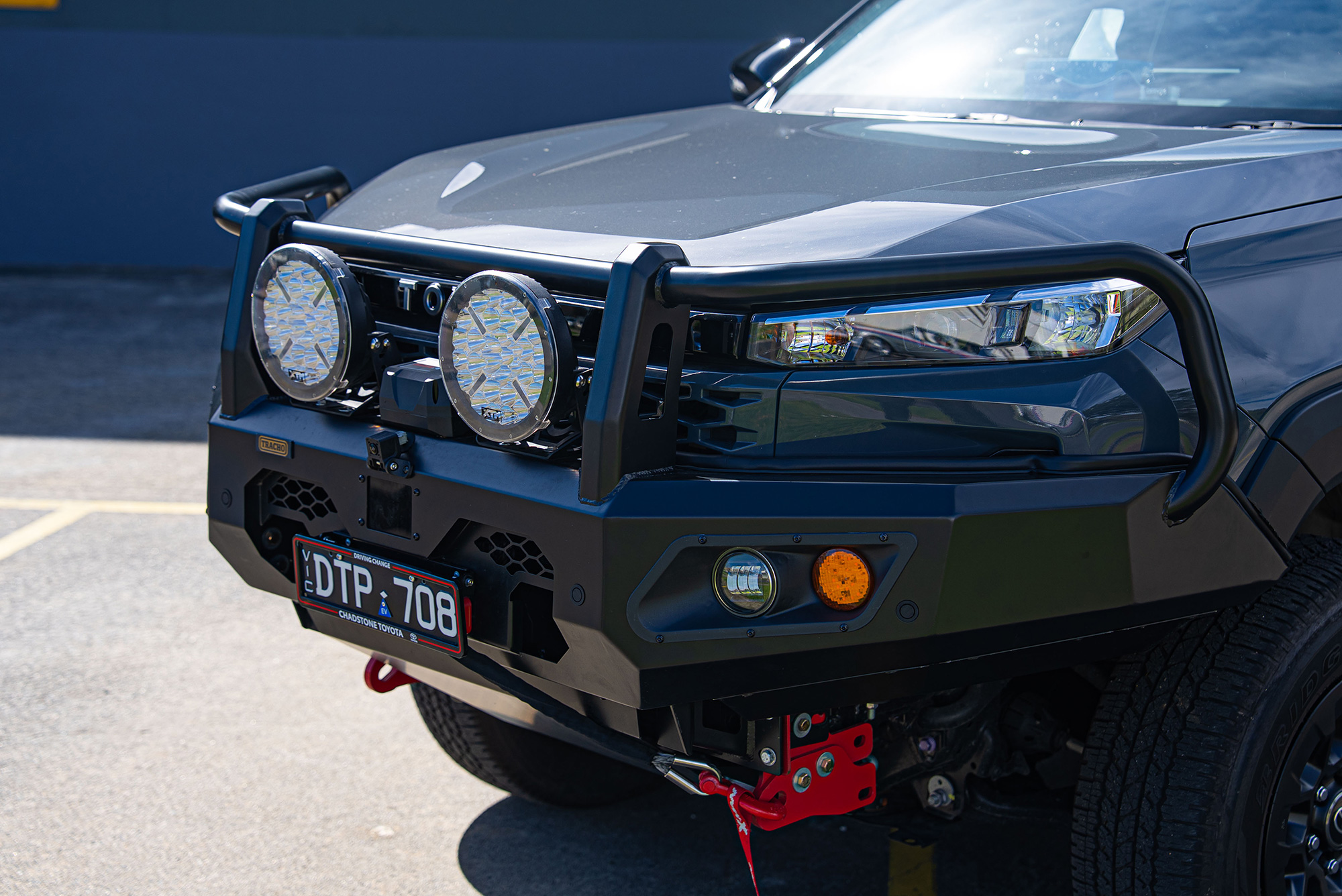
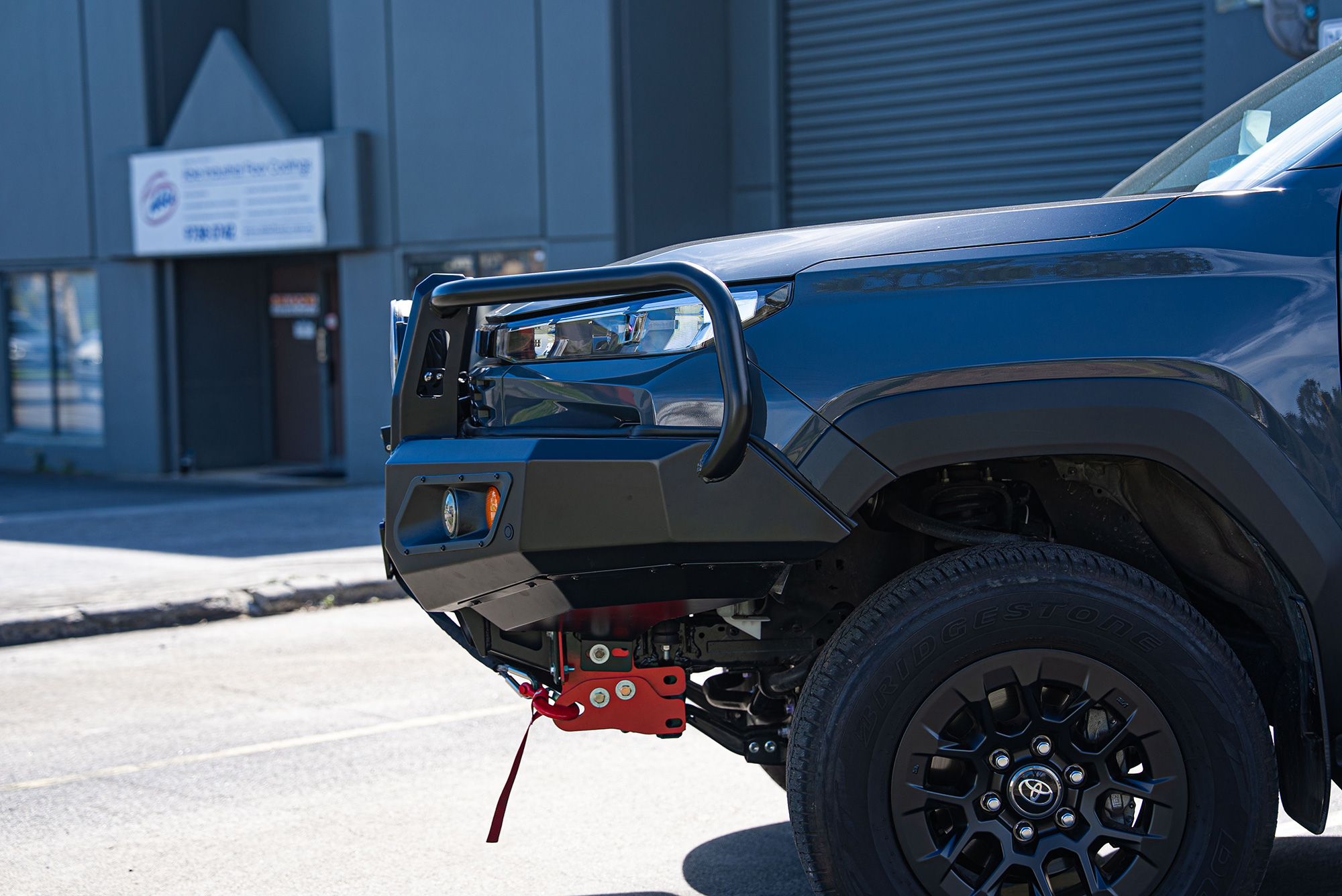
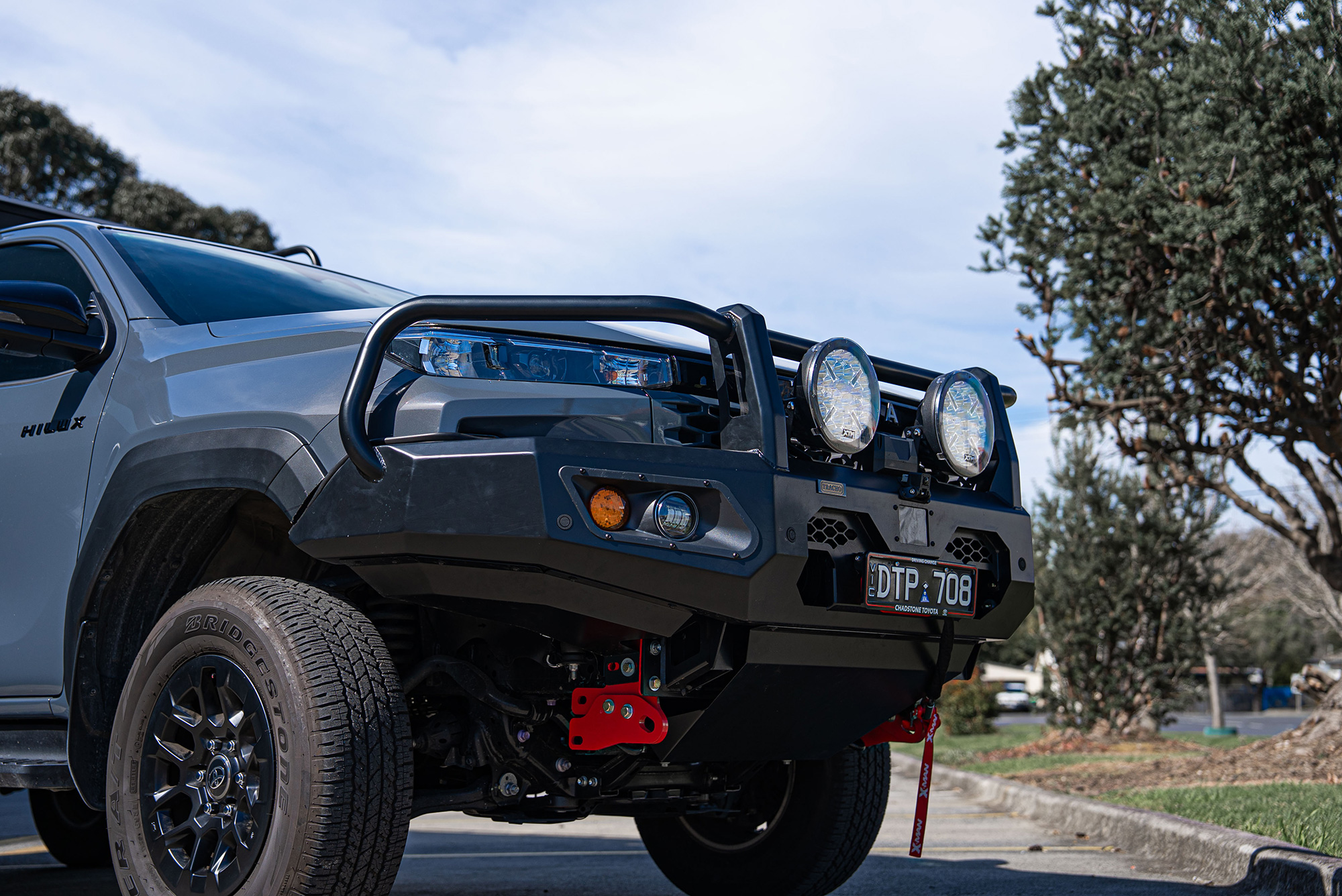
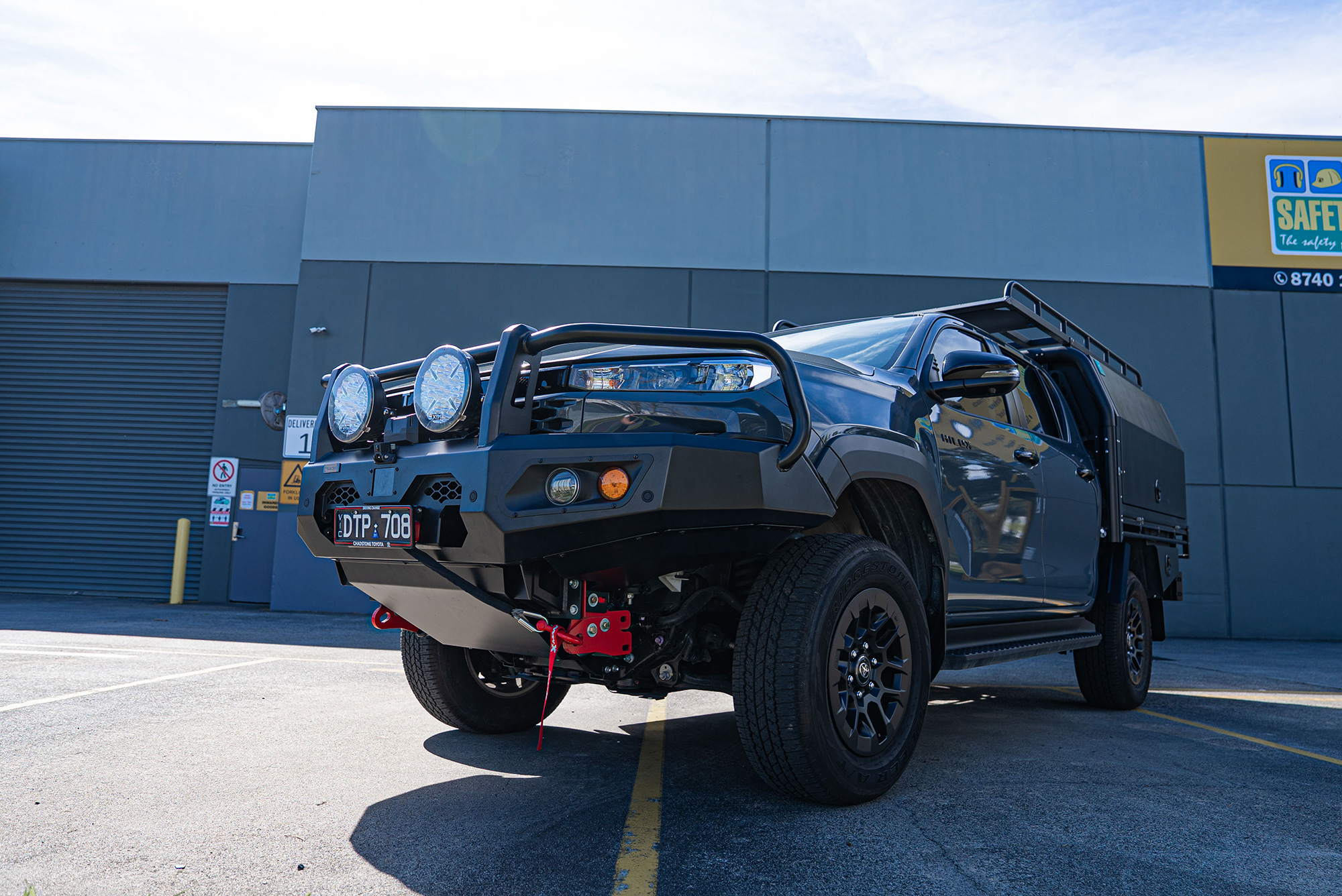
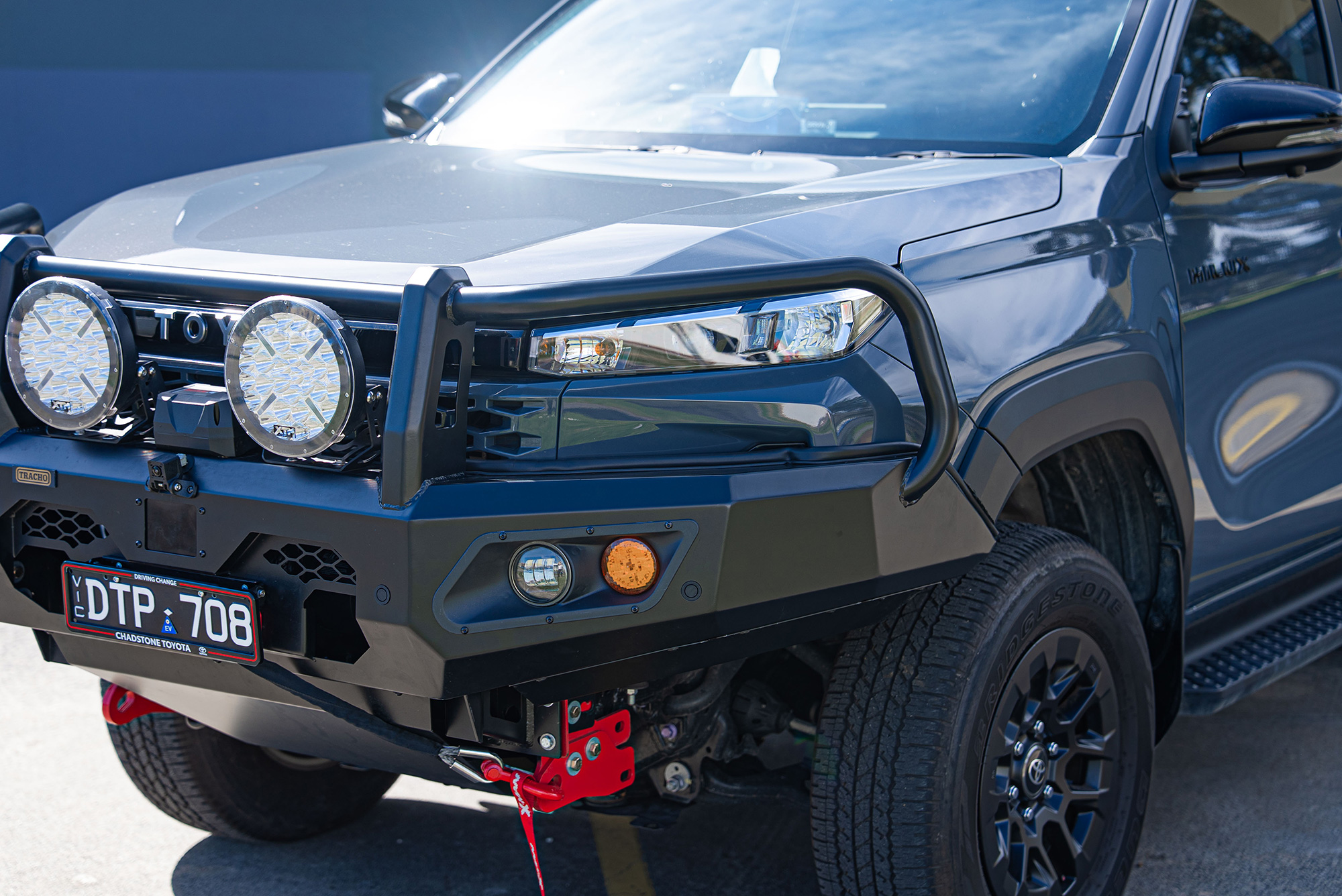
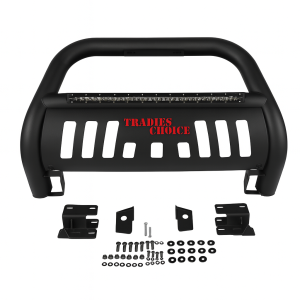
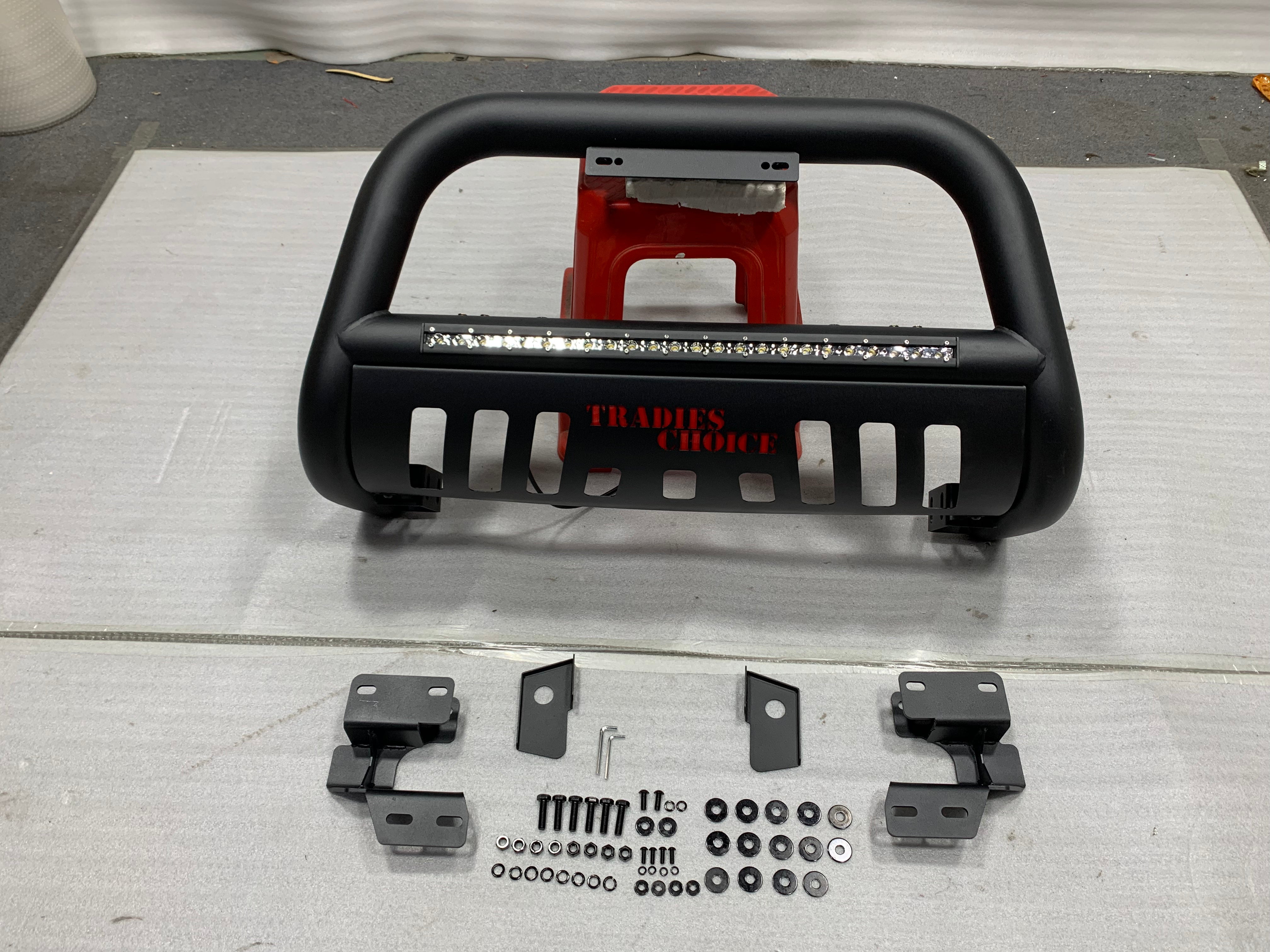
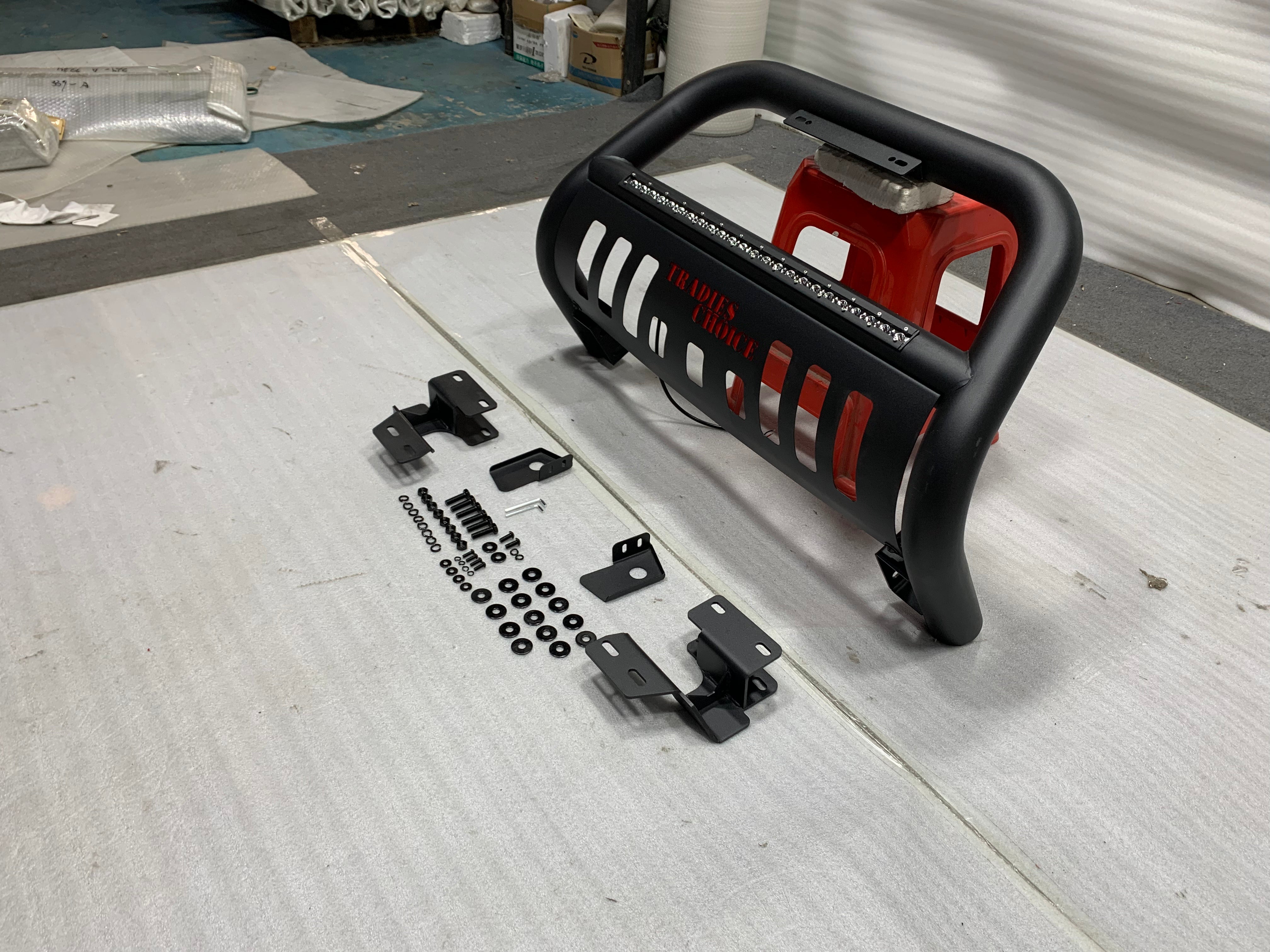
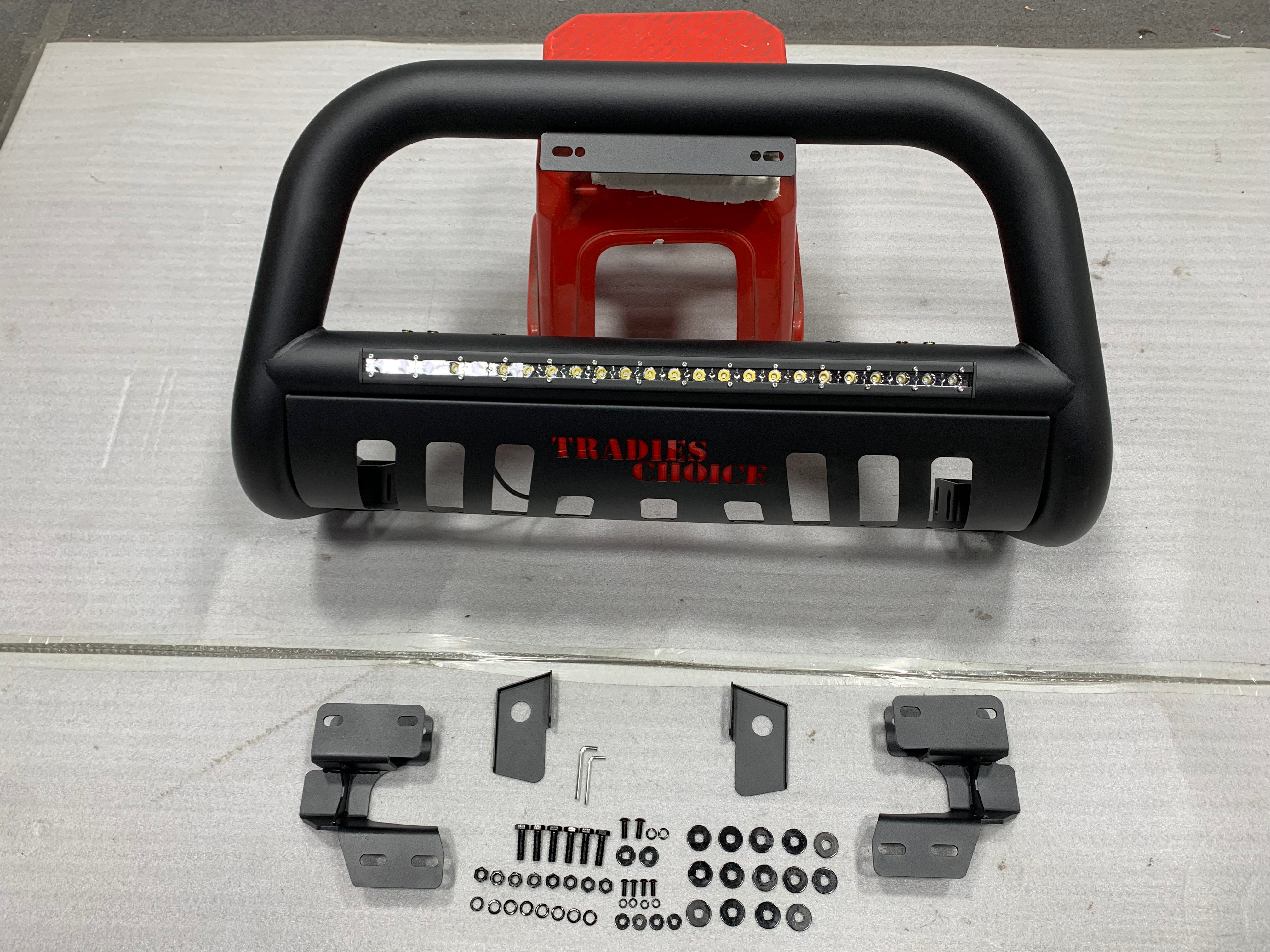
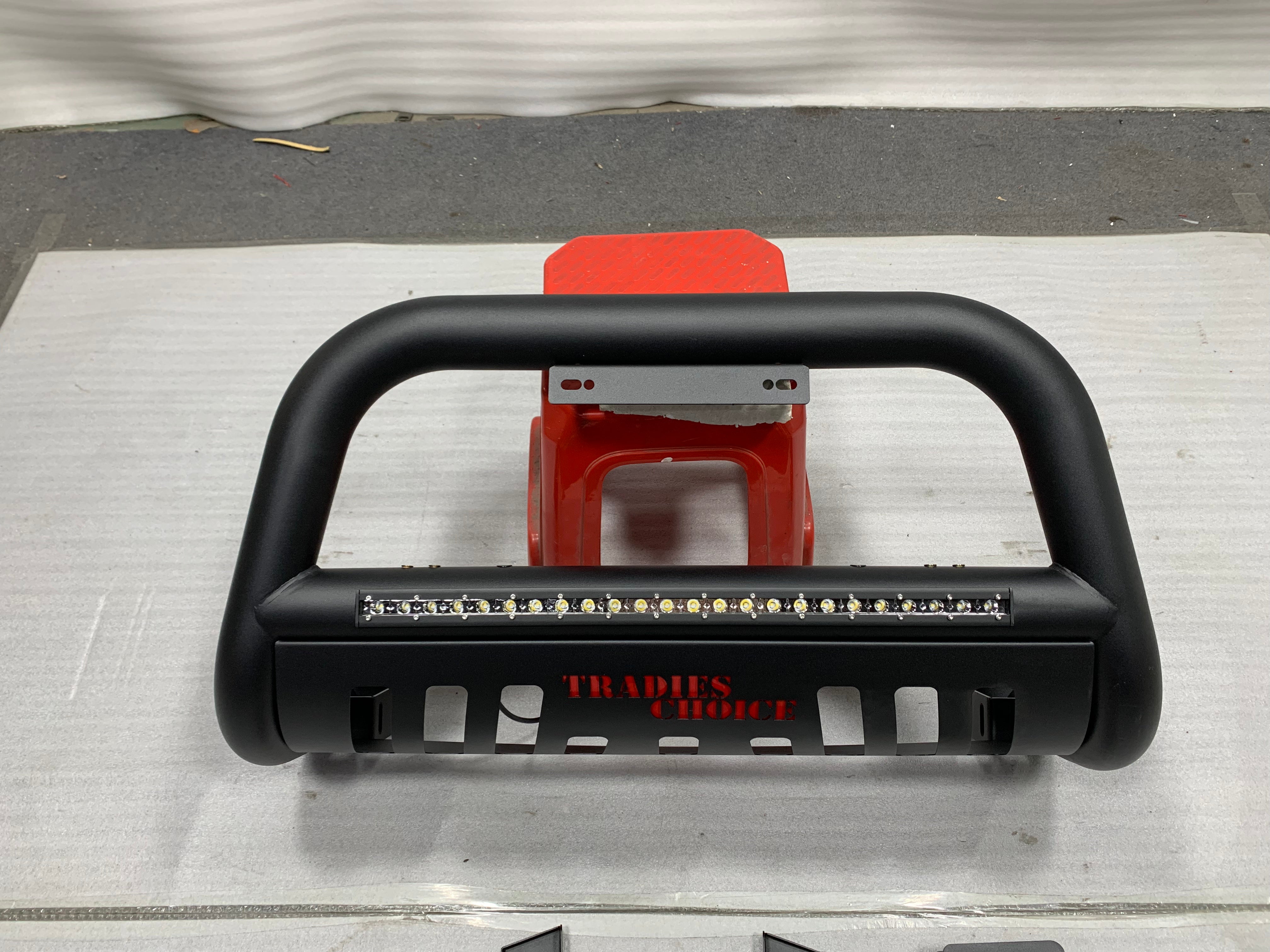
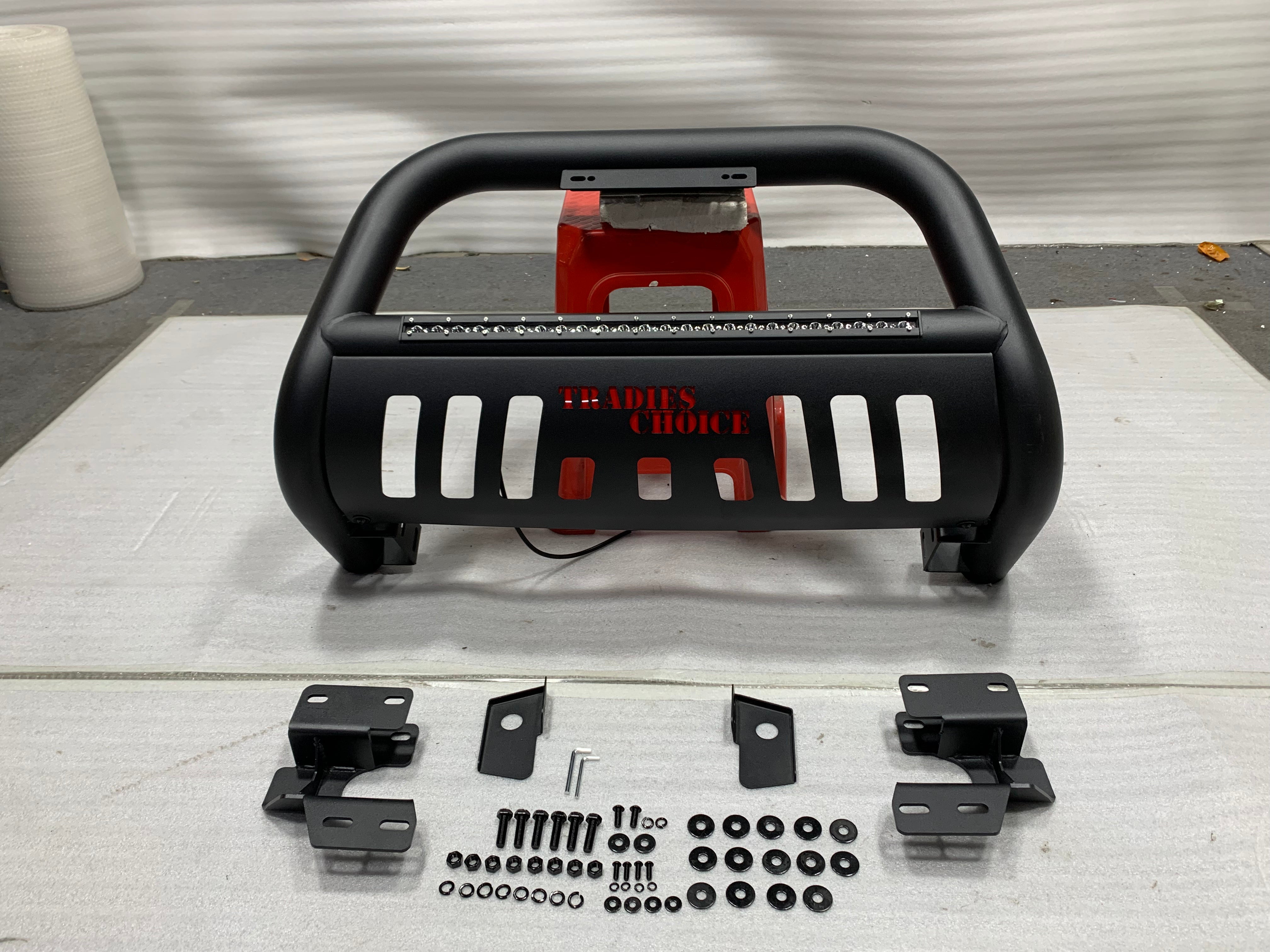
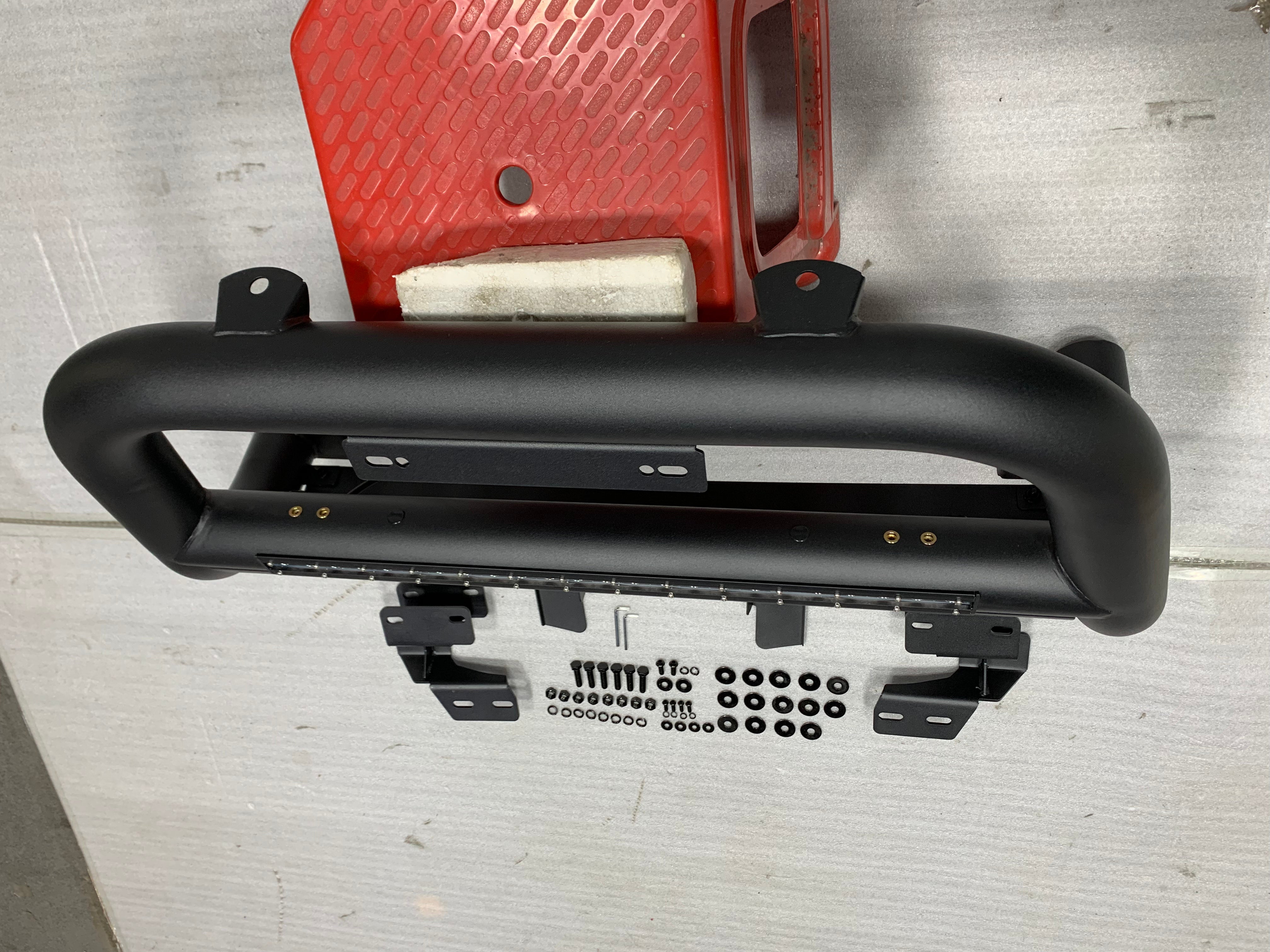
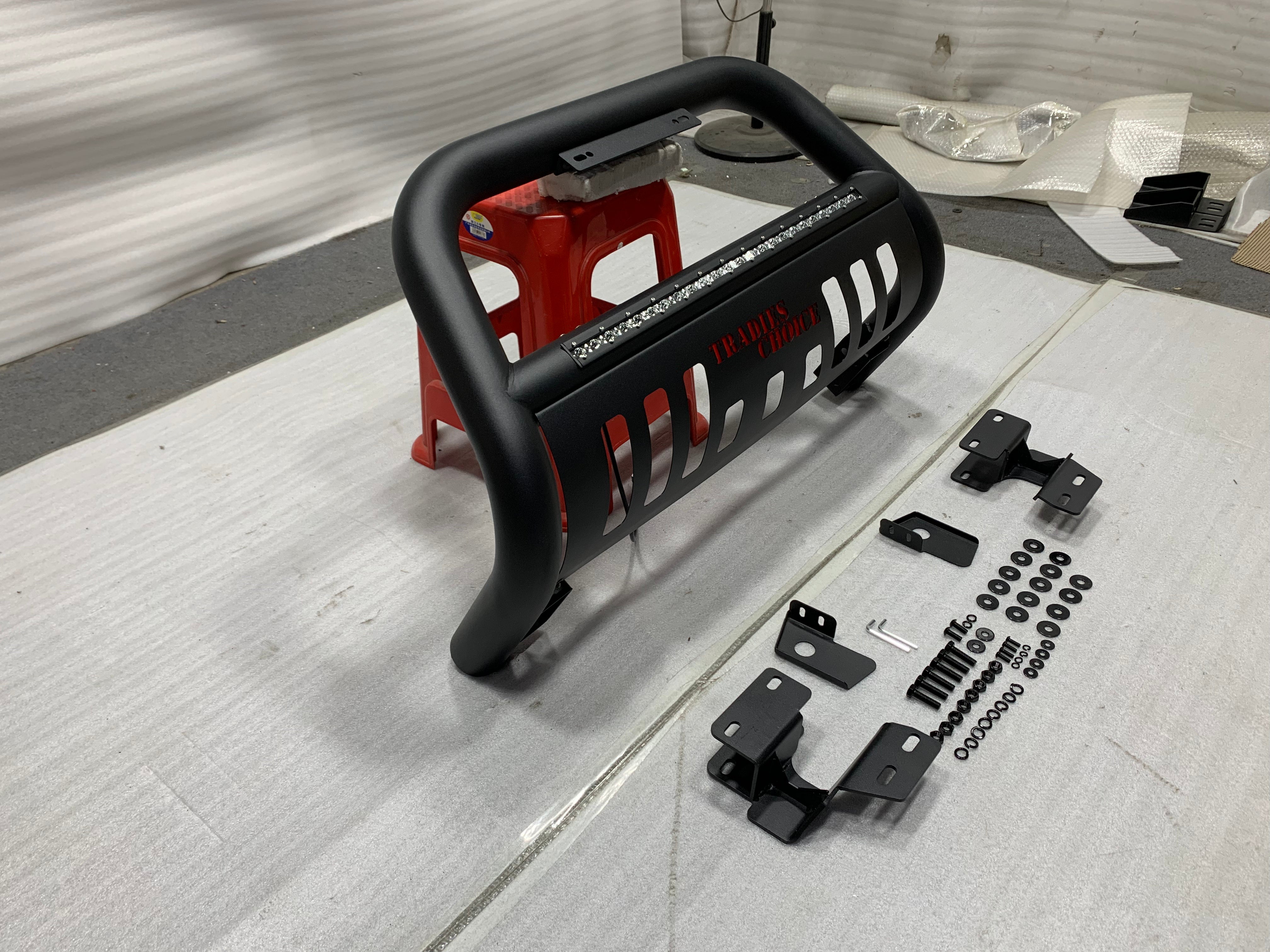
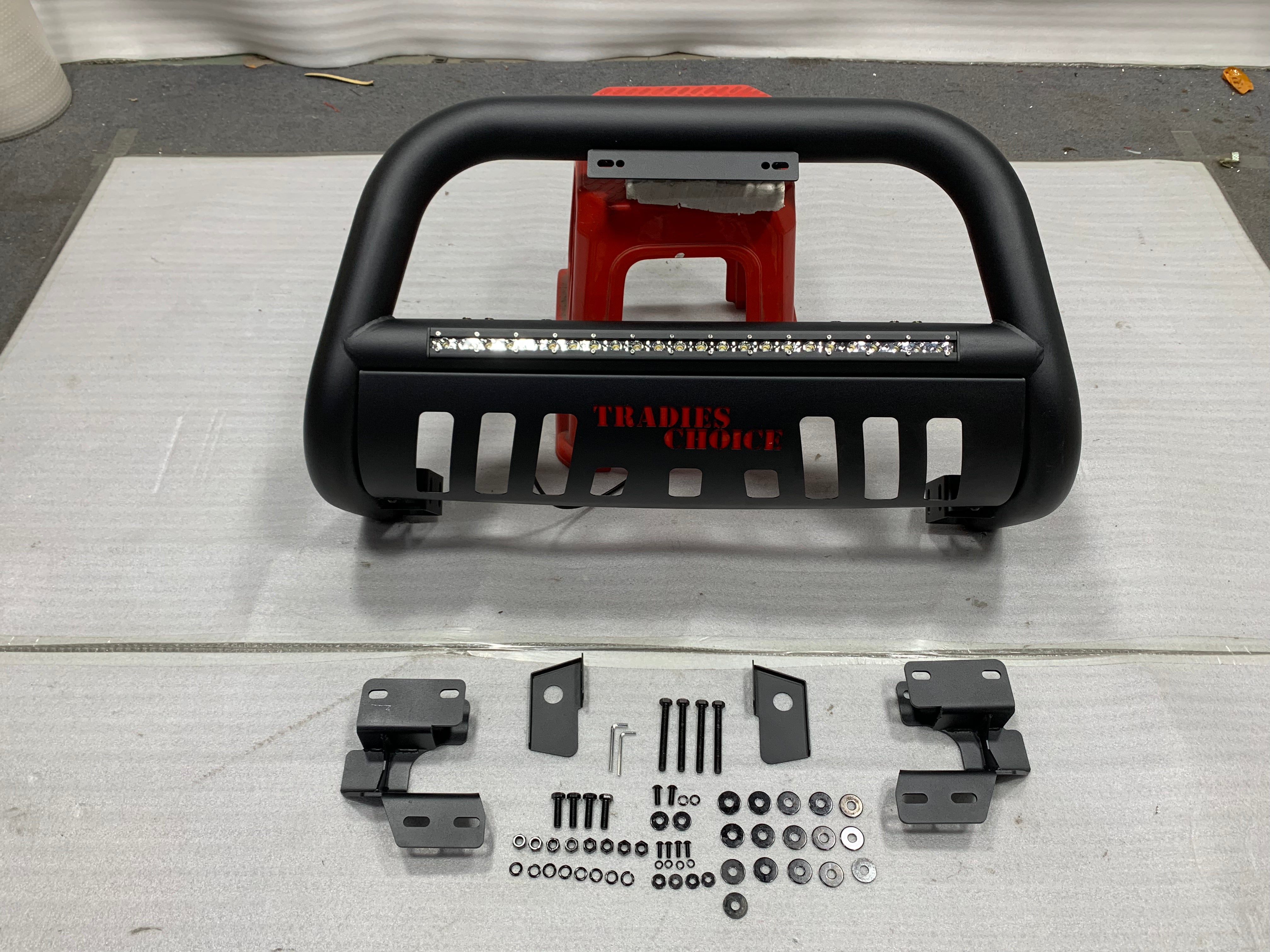
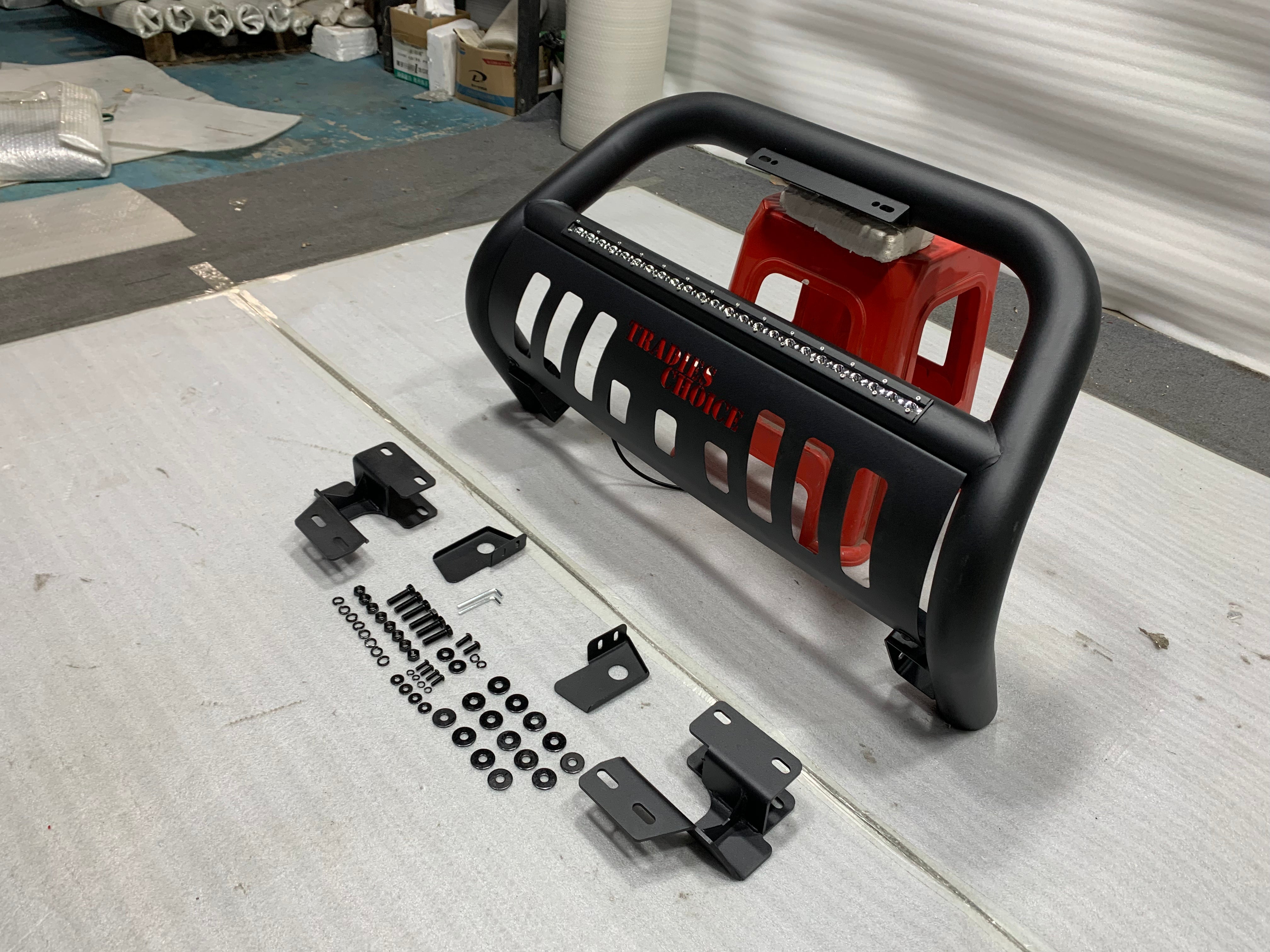
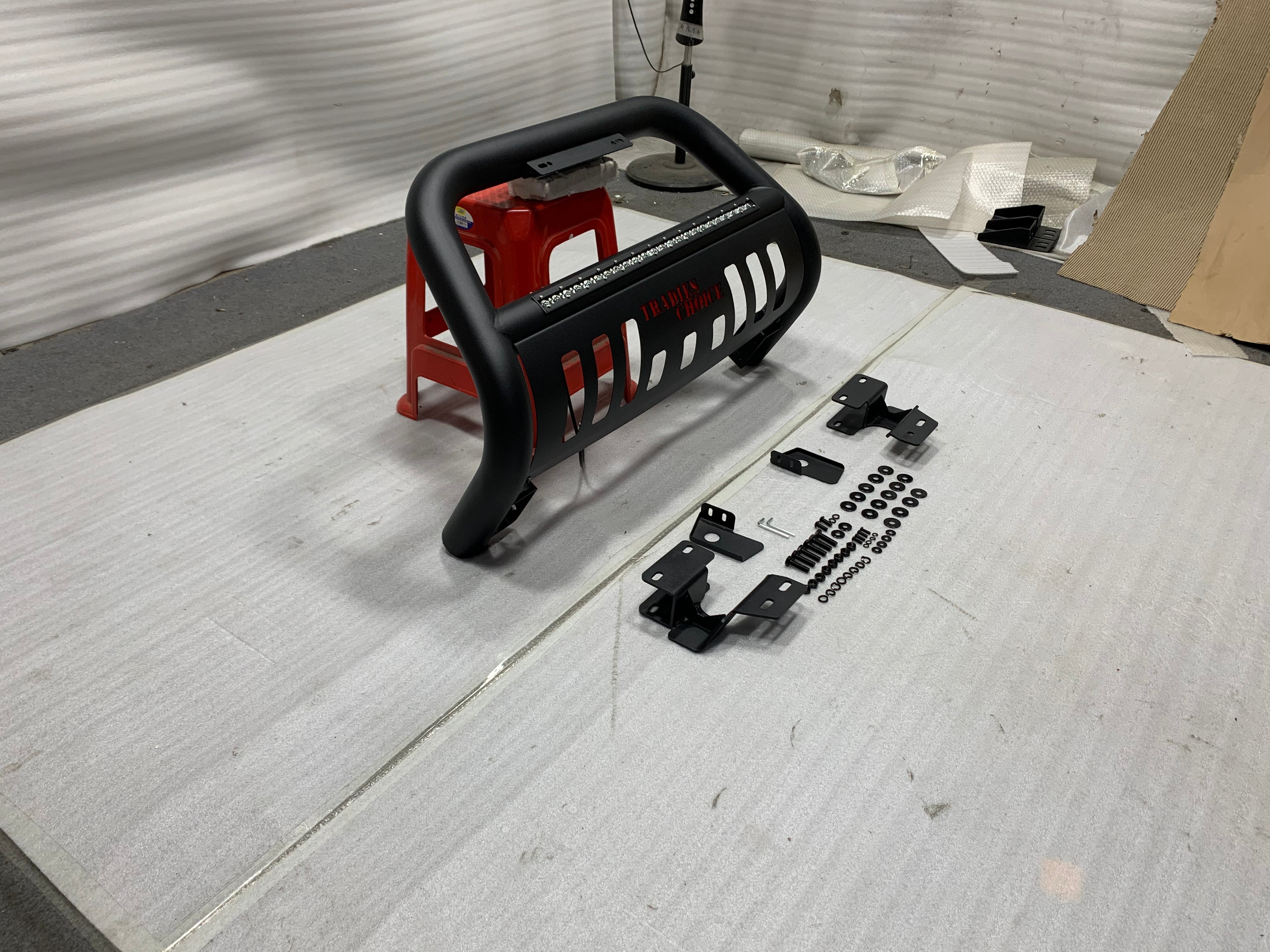
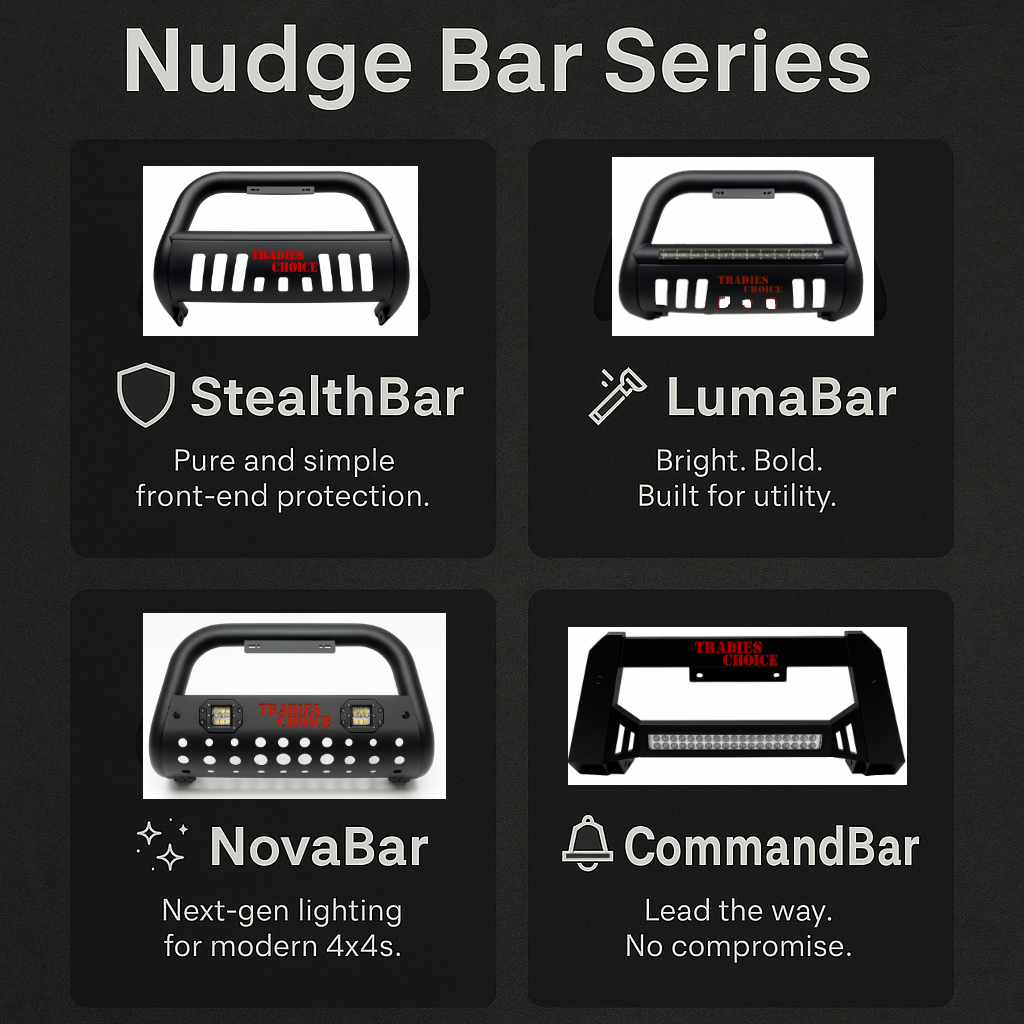
A bull bar is the clearest example. If you’re regularly driving on regional or rural roads – whether that’s a daily commute or a touring route – the animal strike risk is real in both situations. A bull bar doesn’t know whether you’re on your way to work or on a three-week trip. It just does its job every time you’re in that environment.
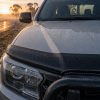
A bonnet protector is similar. Stone chips and road debris are a daily reality on gravel roads regardless of whether you’re touring or just driving to a job. If you regularly follow other vehicles on unsealed roads, a bonnet protector is earning its place on an ordinary Tuesday, not just on a special trip.
Weather shields are another good example. The comfort benefit of being able to crack a window in light rain applies every day you drive, not just on tour. The same goes for a roof rack if you’re regularly carrying long or bulky items – it solves a practical problem that doesn’t only come up on camping trips.
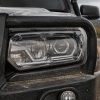
Headlight covers are worth mentioning here too. If your daily driving includes gravel roads or dusty conditions, the protection they offer against stone chips and debris applies just as much to your morning commute as it does to a remote touring route.
Where the setups genuinely diverge
There are some accessories that are clearly more touring-specific and harder to justify purely on daily driving use.
A winch is the obvious one. If your daily driving doesn’t take you into situations where you’re at genuine risk of getting bogged – soft sand, mud, steep off-camber tracks – a winch isn’t solving a daily problem. It’s valuable preparation for touring in technical terrain, but for most daily drivers it’s a significant investment for a scenario that may never come up. The winch article covers this decision in detail if you’re weighing it up.
A snorkel follows similar logic. The primary benefits – dust filtering for extended outback driving, water crossing capability – are touring-specific for most owners. If your daily driving doesn’t involve significant dust exposure or water crossings, a snorkel isn’t doing much for you on a regular basis.
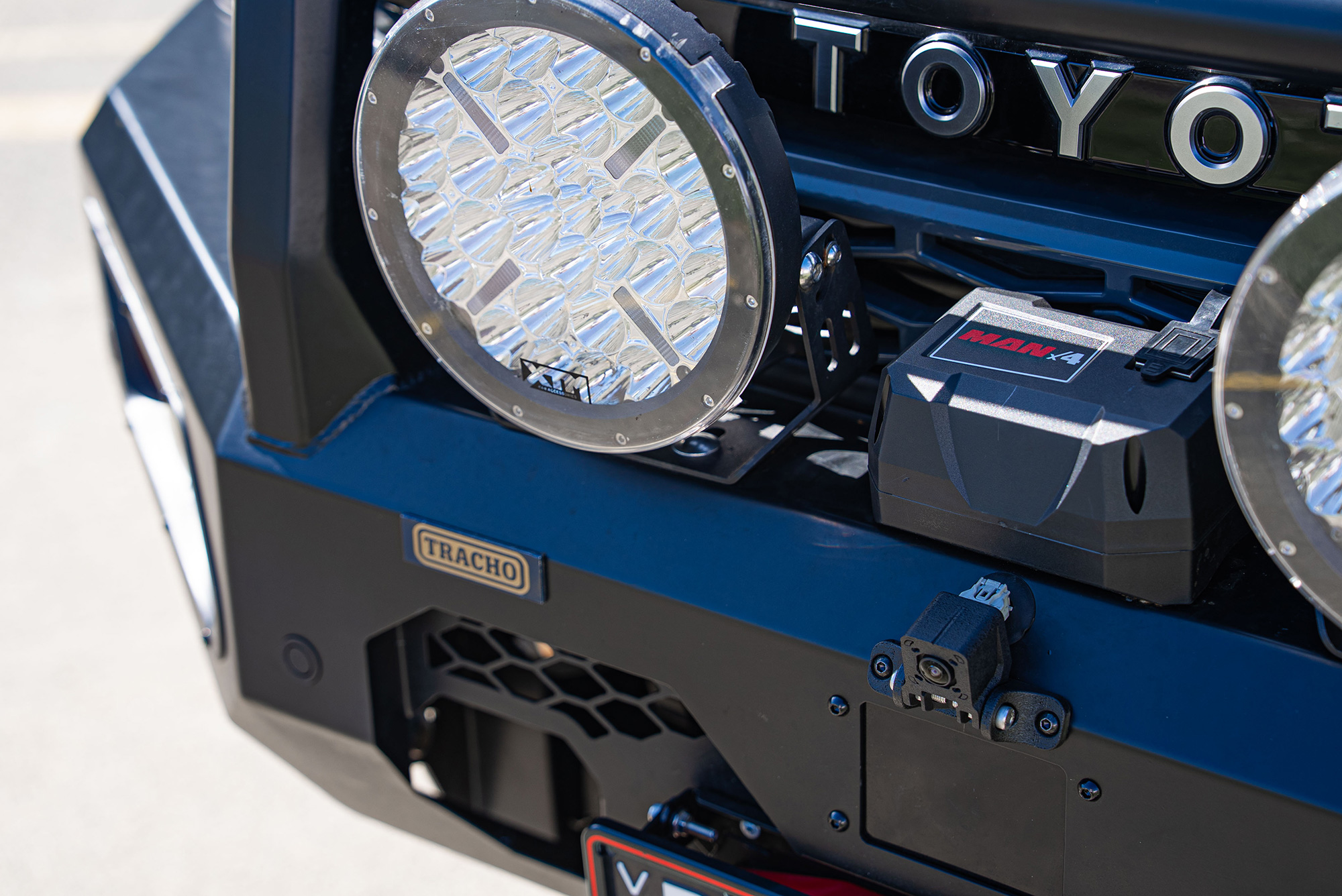
Heavy auxiliary lighting, beyond a modest set of driving lights, also tends to be more touring-oriented. A light bar is most useful when you’re driving slowly through terrain in the dark – a situation that comes up on a remote trip but not on most people’s daily drive. Driving lights, on the other hand, can be a genuine daily asset if you’re regularly on unlit rural roads in the early morning or evening.
Recovery gear – traction boards, a hi-lift jack, snatch straps – is essential touring preparation for remote travel but doesn’t really factor into a daily driving setup at all. It’s the kind of thing you load before a trip rather than carry permanently.
The practical question – one vehicle, two uses
Most people reading this are in the same situation: one vehicle that has to cover both daily use and trips. The goal isn’t to build two different setups – it’s to build one base setup that handles daily conditions well and can be extended for touring without a complete overhaul.
A practical base setup for someone in this situation might look like: a bull bar if you’re on regional roads regularly, a bonnet protector, a canopy or appropriate tray cover for daily load carrying, side steps if your vehicle sits high, and weather shields. That covers daily use properly and also forms a solid foundation for touring.
What you add for trips is then a layer on top of that base – auxiliary lighting if you need it, recovery gear loaded for the specific trip, a roof rack if you’re carrying extra gear, and any trip-specific equipment like a fridge or water storage.
The key is not overbuilding the base setup for touring scenarios that only come up a few times a year. A vehicle that’s set up for maximum remote touring capability but used 90% of the time for daily driving is carrying a lot of weight, complexity and cost for not much daily benefit. Build for what your vehicle actually does most of the time, and add what you need when you need it.
The short answer to whether you need different accessories for touring and daily driving is: some yes, most no. The accessories that protect your vehicle from road conditions – front-end protection, bonnet and headlight protection, weather-appropriate cabin comfort – are useful every day regardless of where you’re going. The accessories that prepare you for remote conditions – recovery gear, snorkels, heavy auxiliary lighting – are worth having for touring but don’t need to live on the vehicle permanently if you’re mostly in daily driving mode. Get the base right, then build for trips as you need to.