


What to Check and Upgrade Before a Long Remote Drive

Driving in remote Australia is one of the best things you can do with a capable 4×4. It’s also one of the situations where being underprepared has the most serious consequences. The gap between a smooth trip and a genuinely dangerous situation often comes down to decisions made before you leave, not after something goes wrong.
This isn’t about building the most extreme overland setup possible. It’s about making sure what you’ve got is actually up to the conditions you’re heading into, and identifying the gaps that are worth addressing before you go rather than wishing you had on the way back.
Why remote driving is a different proposition
The thing that changes everything about remote driving is the absence of help. In the suburbs, a breakdown means a phone call and a wait. On a remote track three hours from the nearest town, with no mobile reception, it means something else entirely.
Road conditions in remote areas vary enormously and don’t always match what a map suggests. A track that was fine in the dry can become impassable after rain. Corrugations that look manageable at first start shaking gear loose after a few hundred kilometres. Wildlife is unpredictable, and on long straight outback roads after dark, the risk of animal strike is real in a way that’s easy to underestimate if you haven’t driven those roads before.
None of this is a reason not to go. It’s a reason to leave with your vehicle properly sorted.
Front-end protection – is what you have enough?
If your planned route takes you through regional or outback Australia, particularly at dawn, dusk or after dark, animal strike is one of the most common causes of serious vehicle damage on remote trips. Kangaroos, cattle, camels and emus don’t follow road rules, and at highway speed a large animal can cause enough damage to end a trip on the spot.
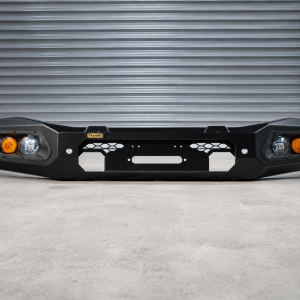
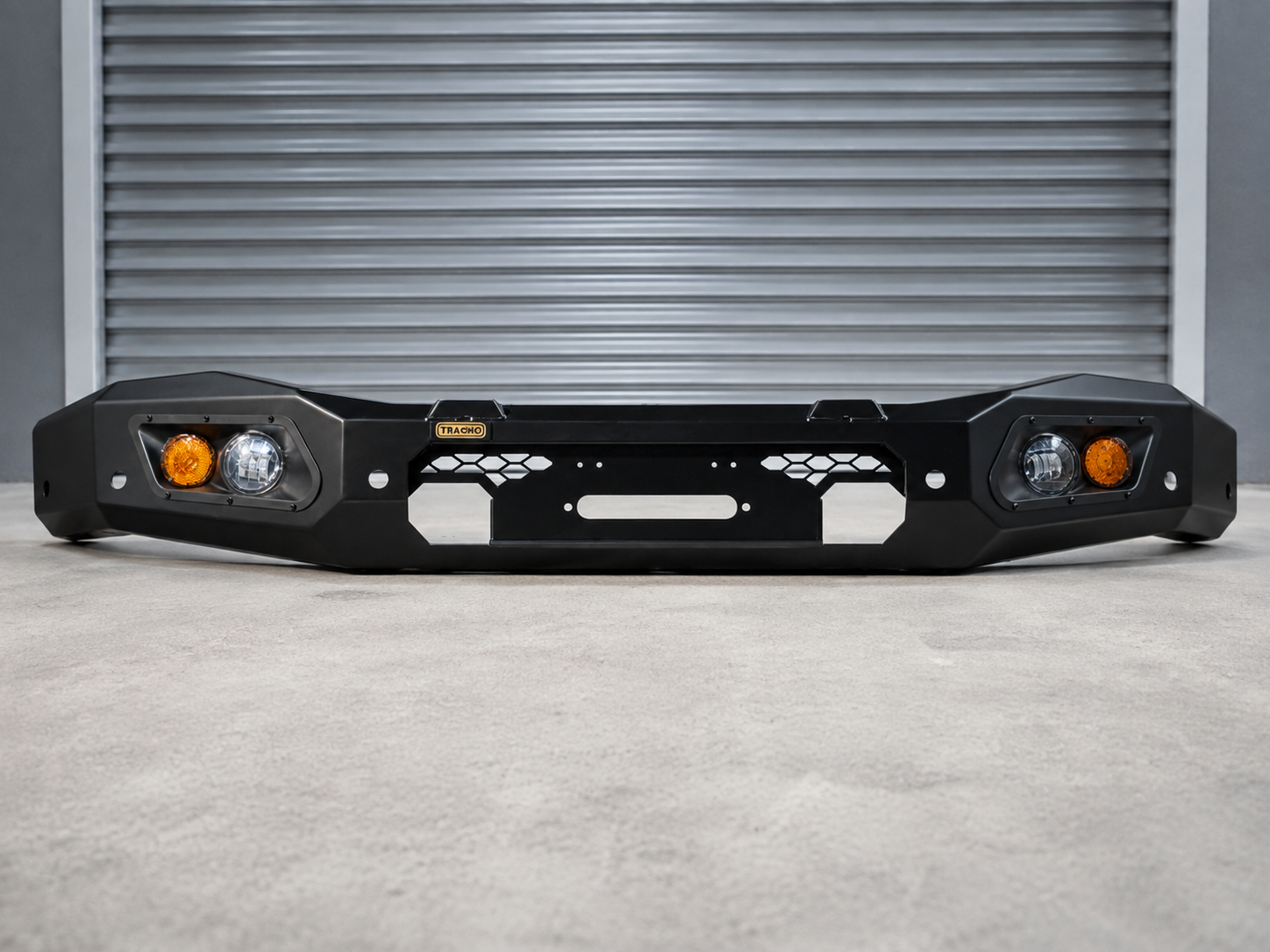
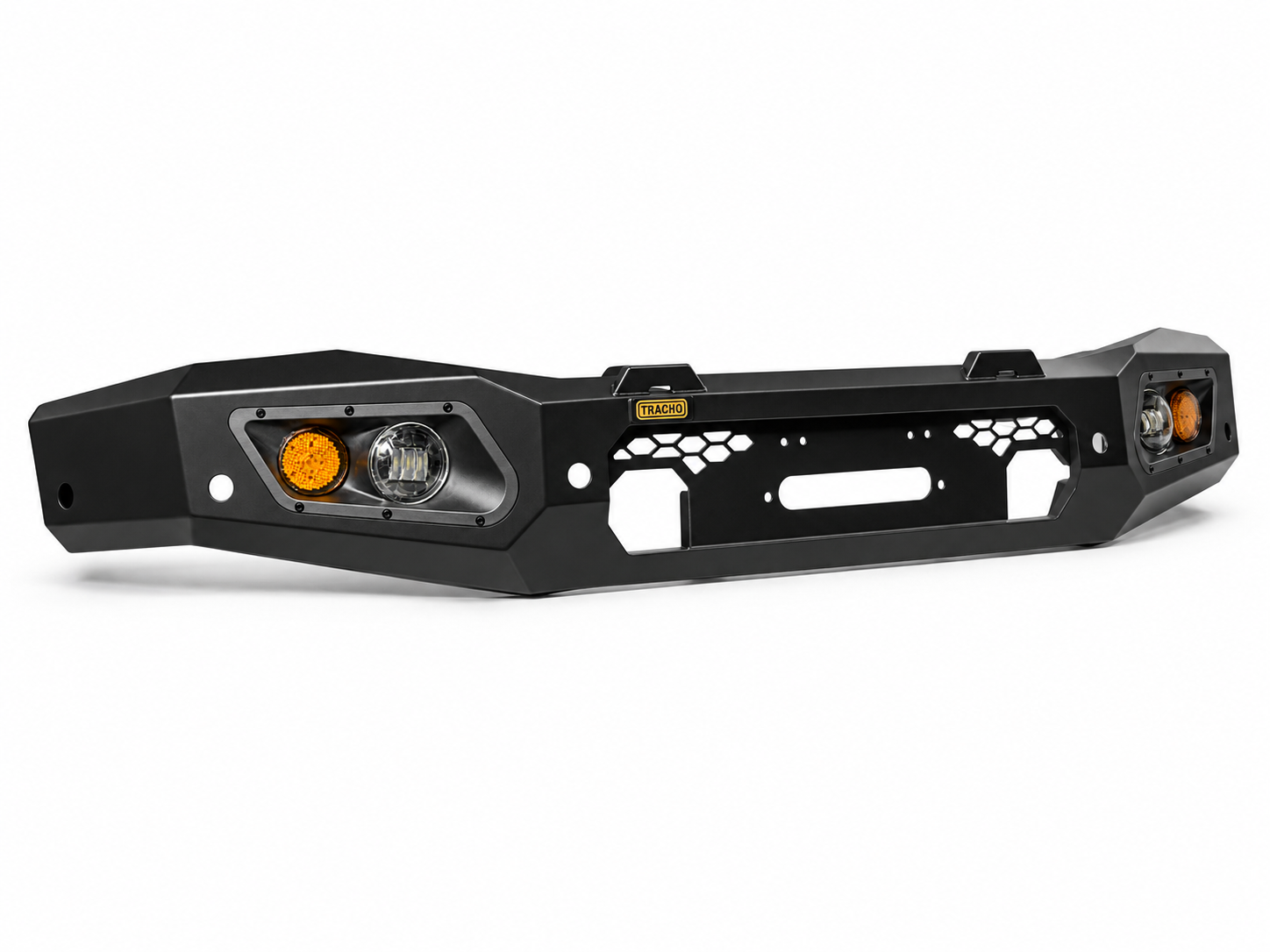
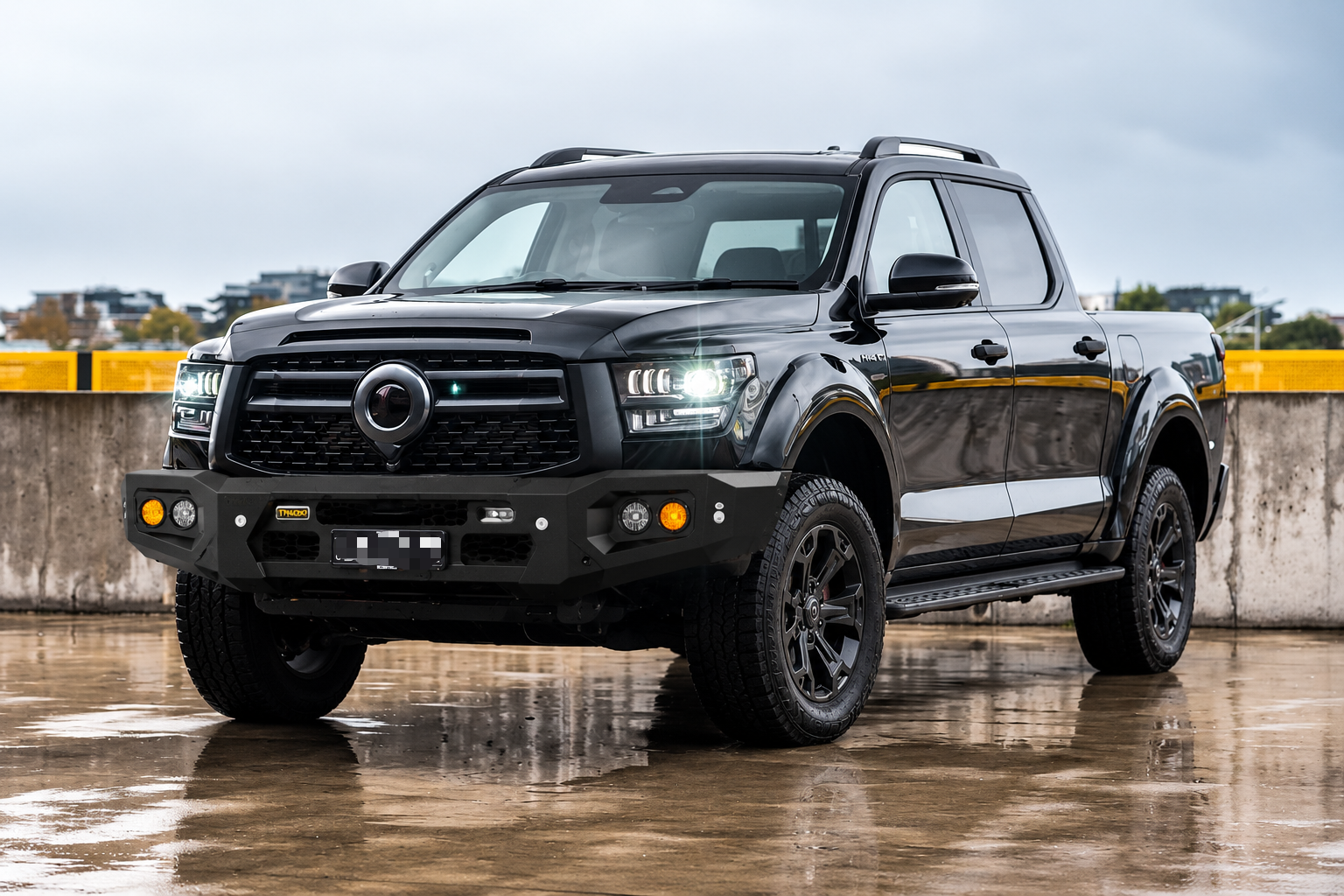
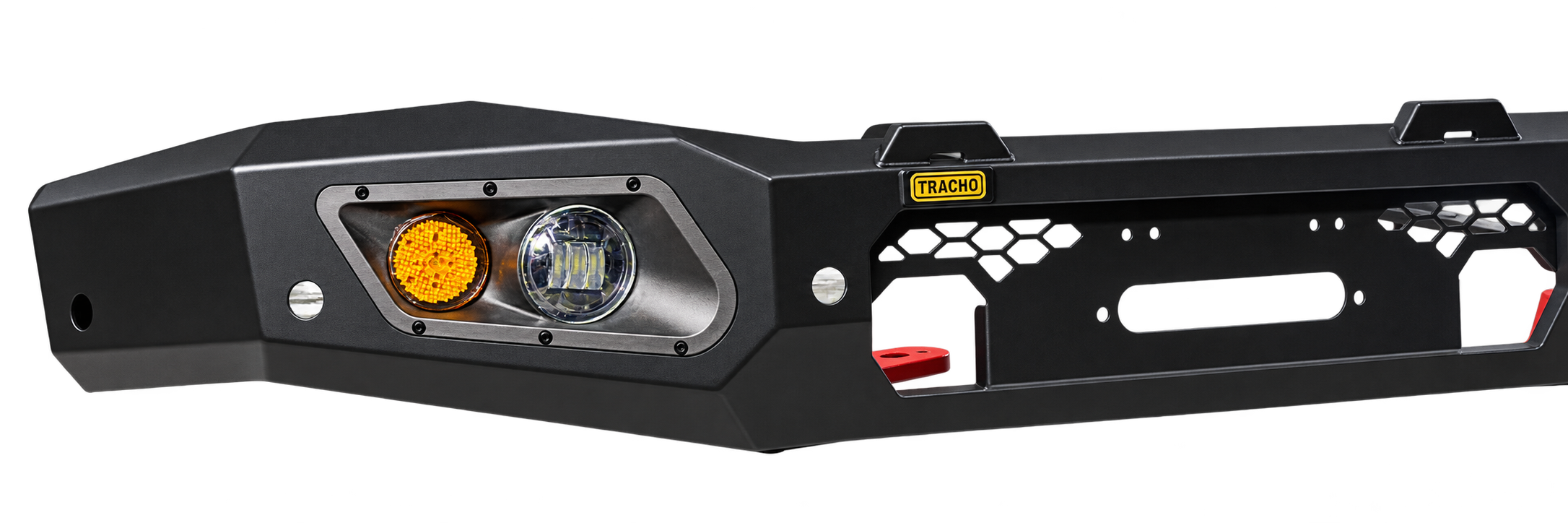
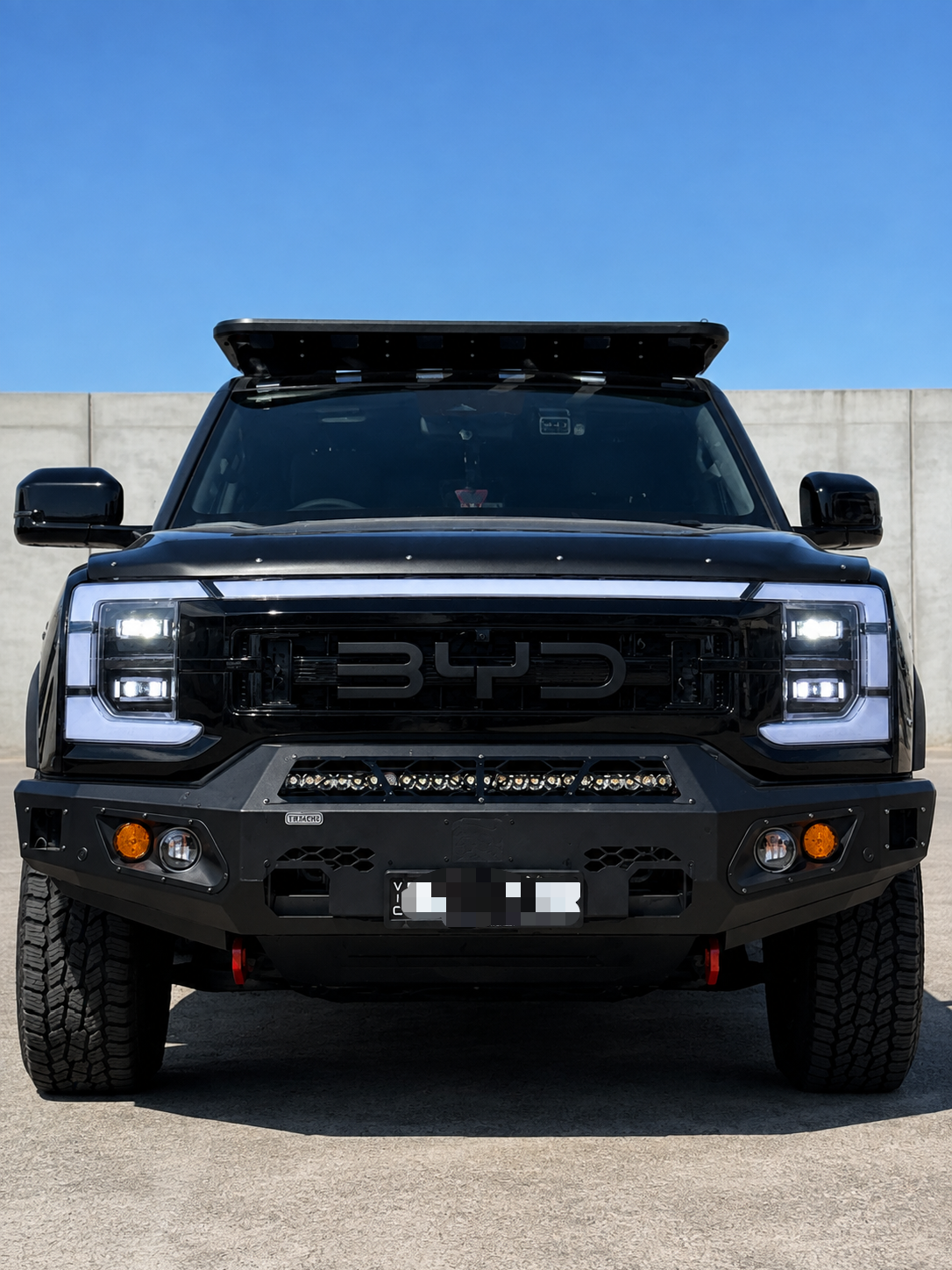
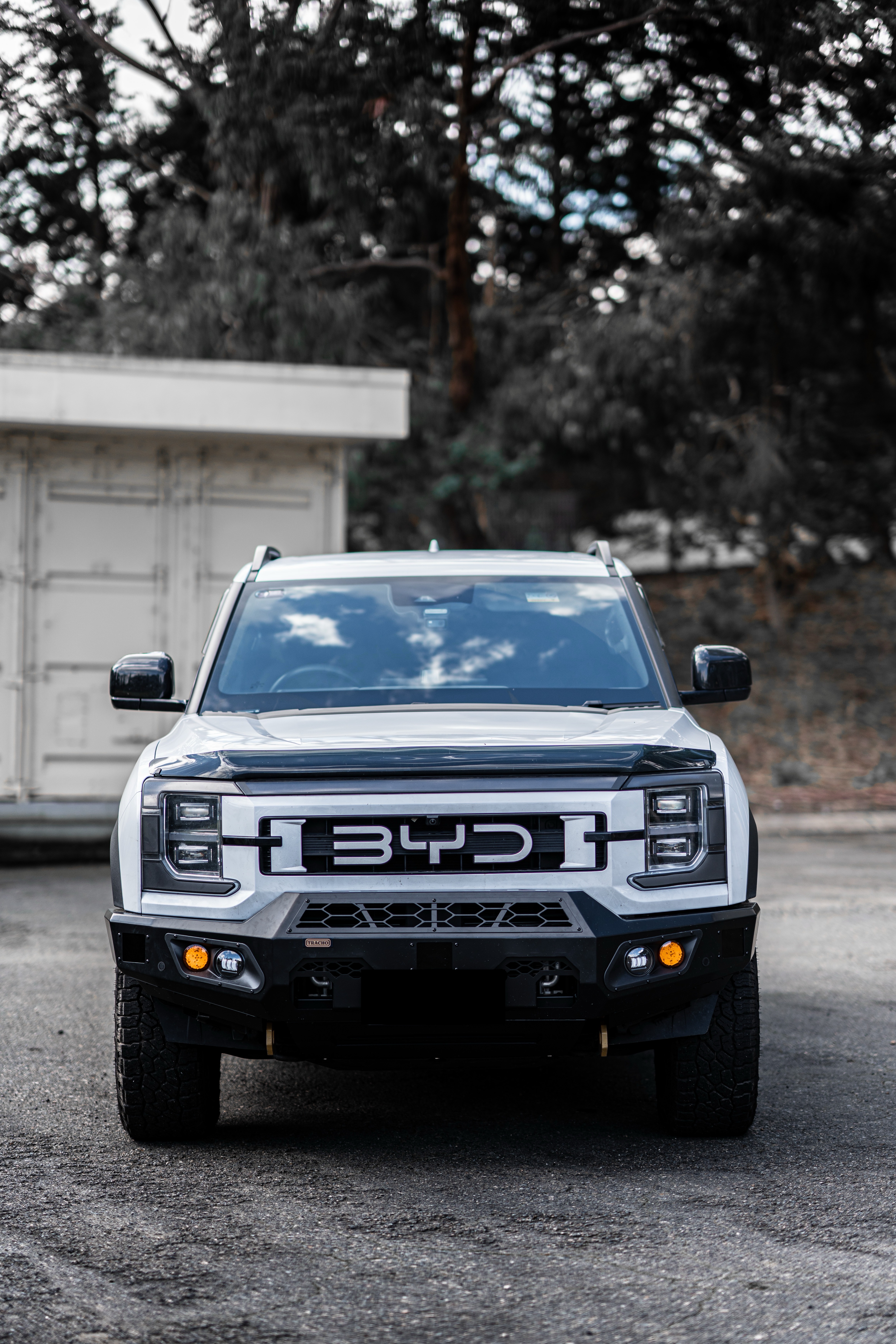
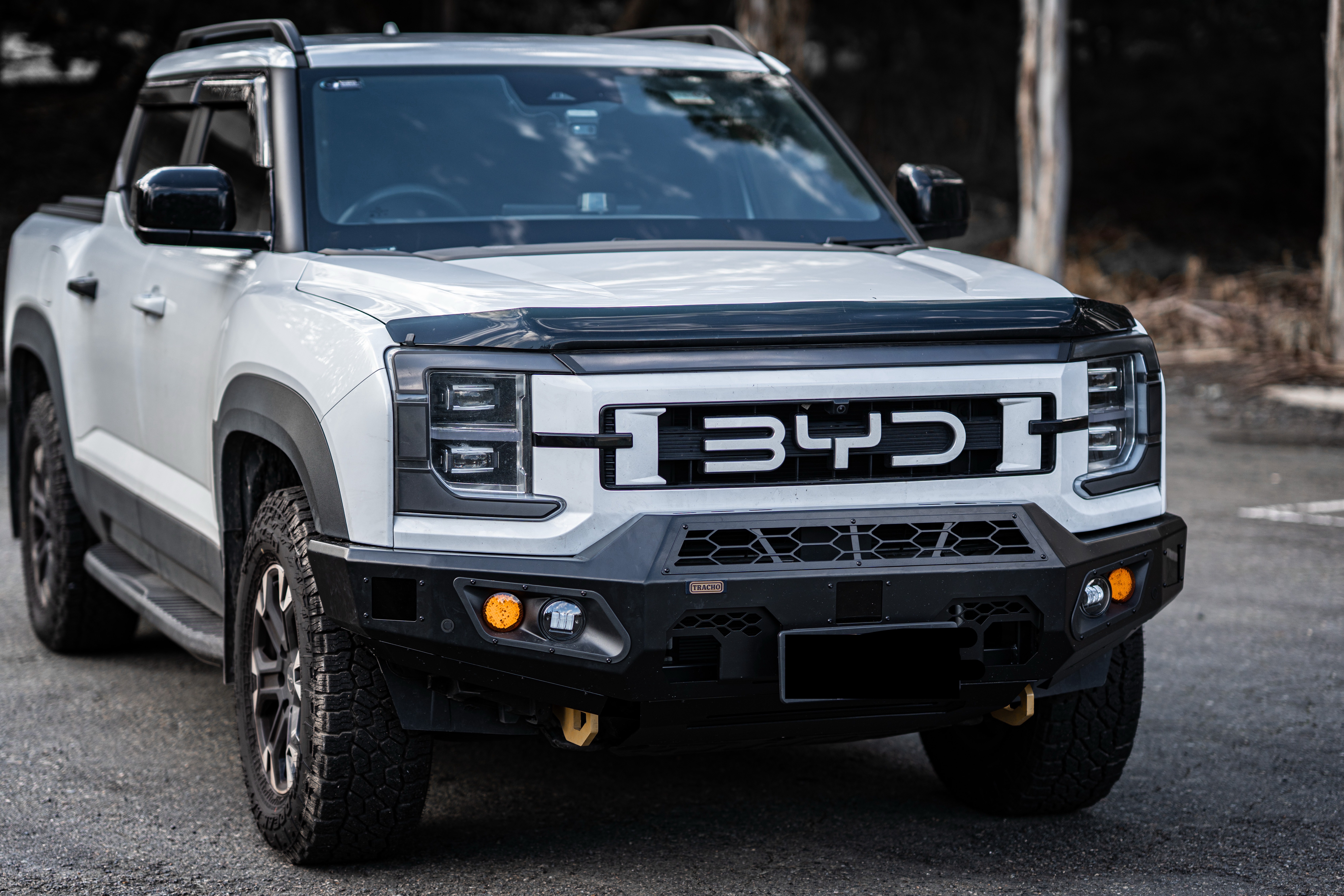
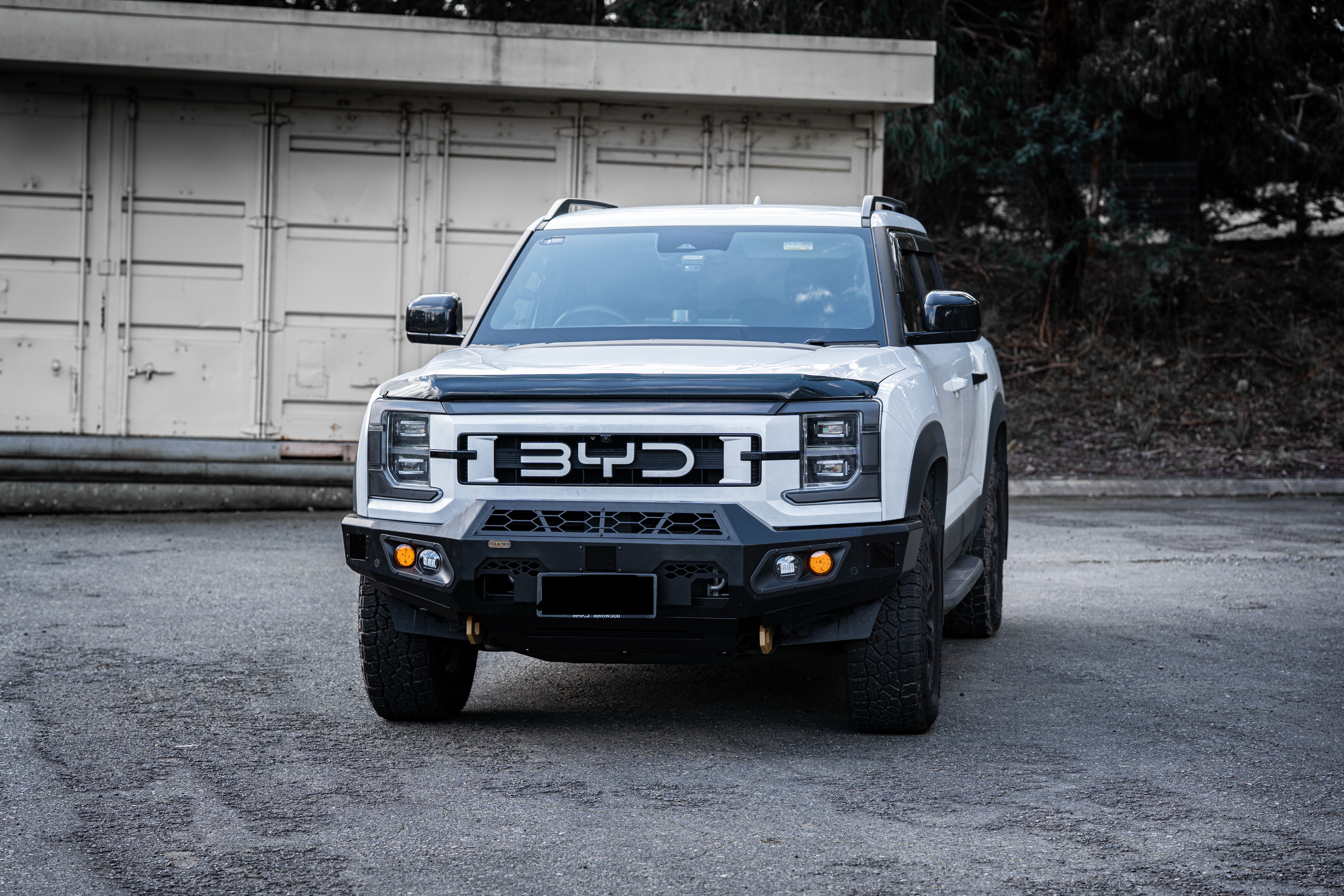
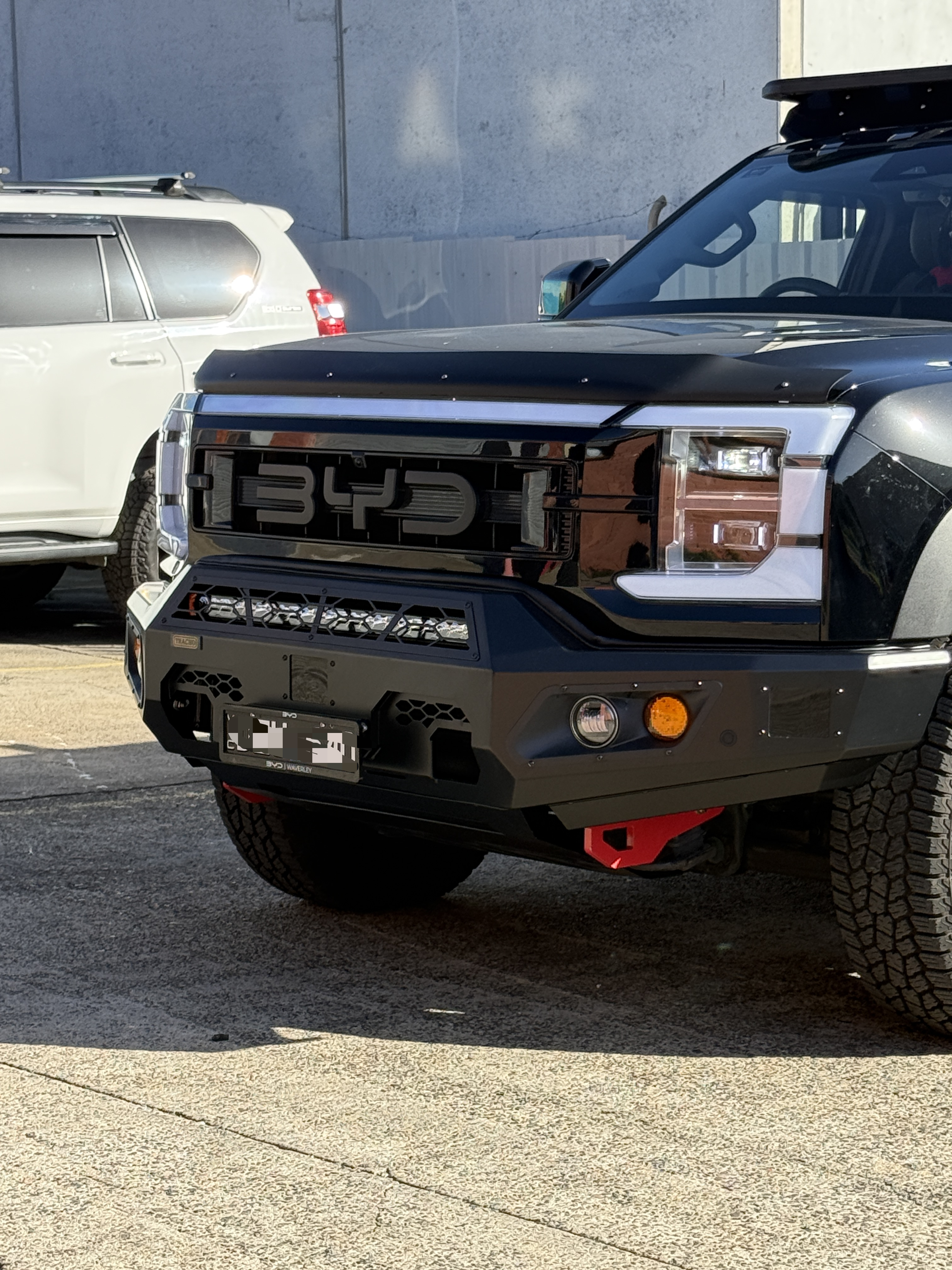
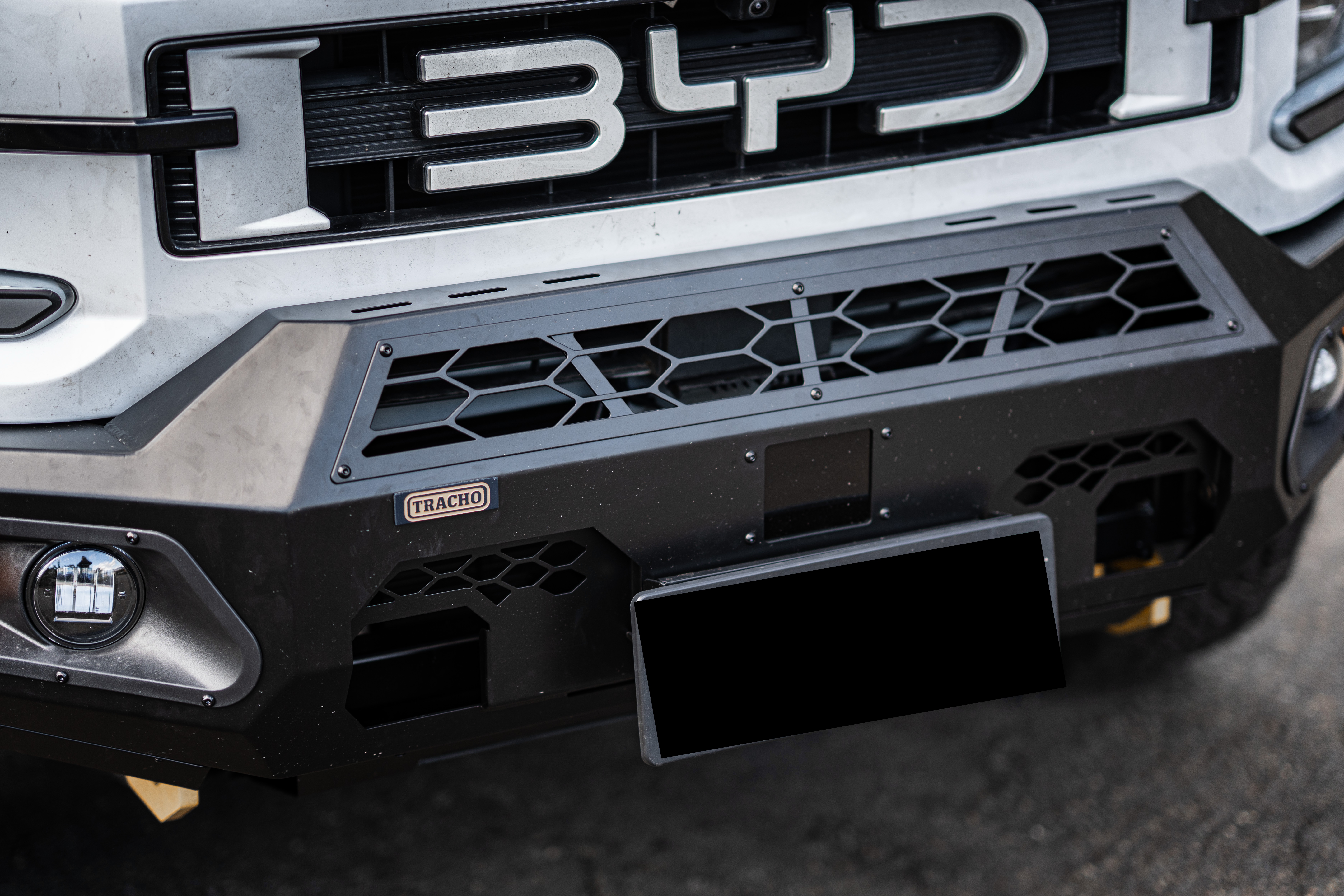
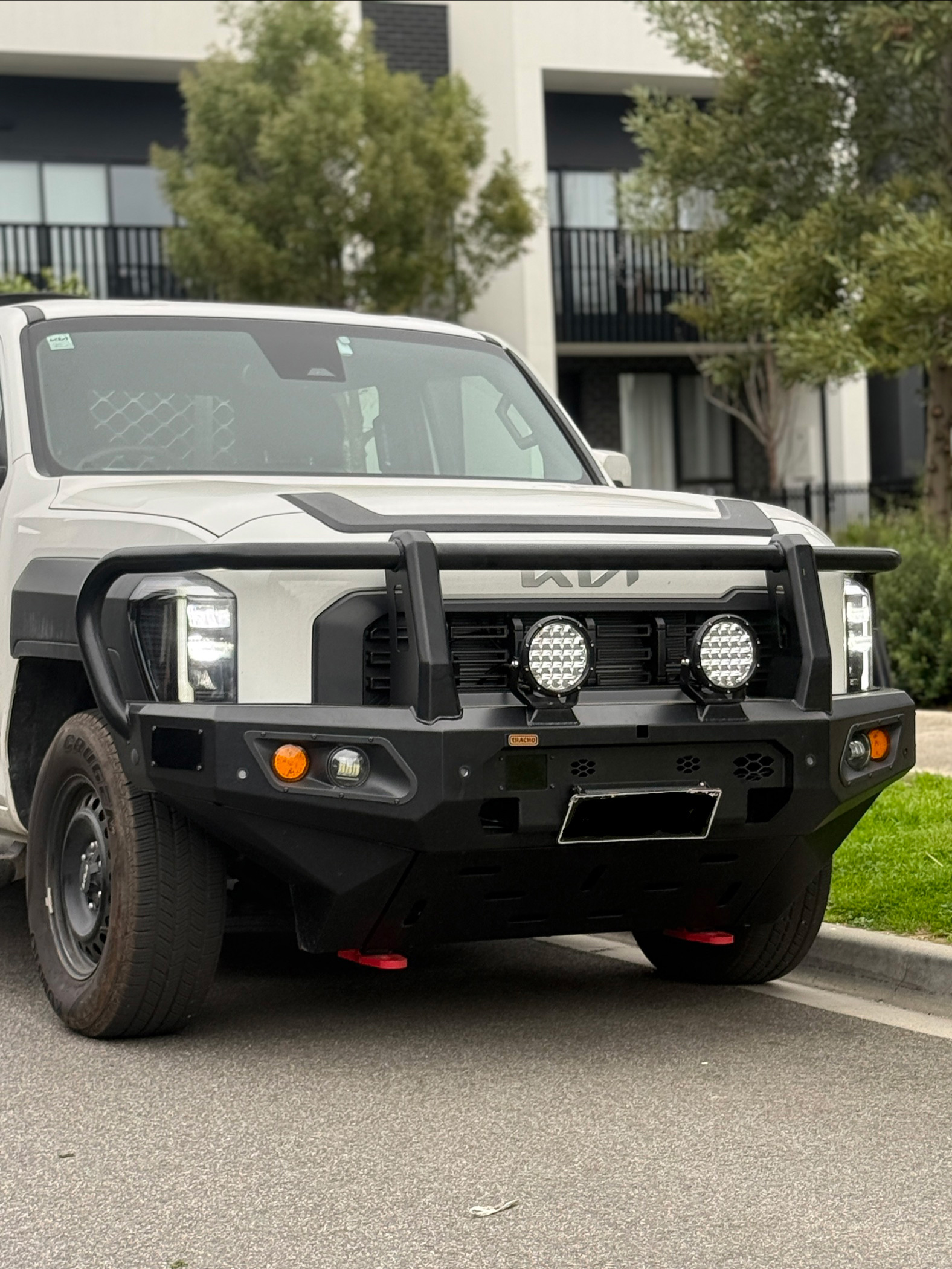
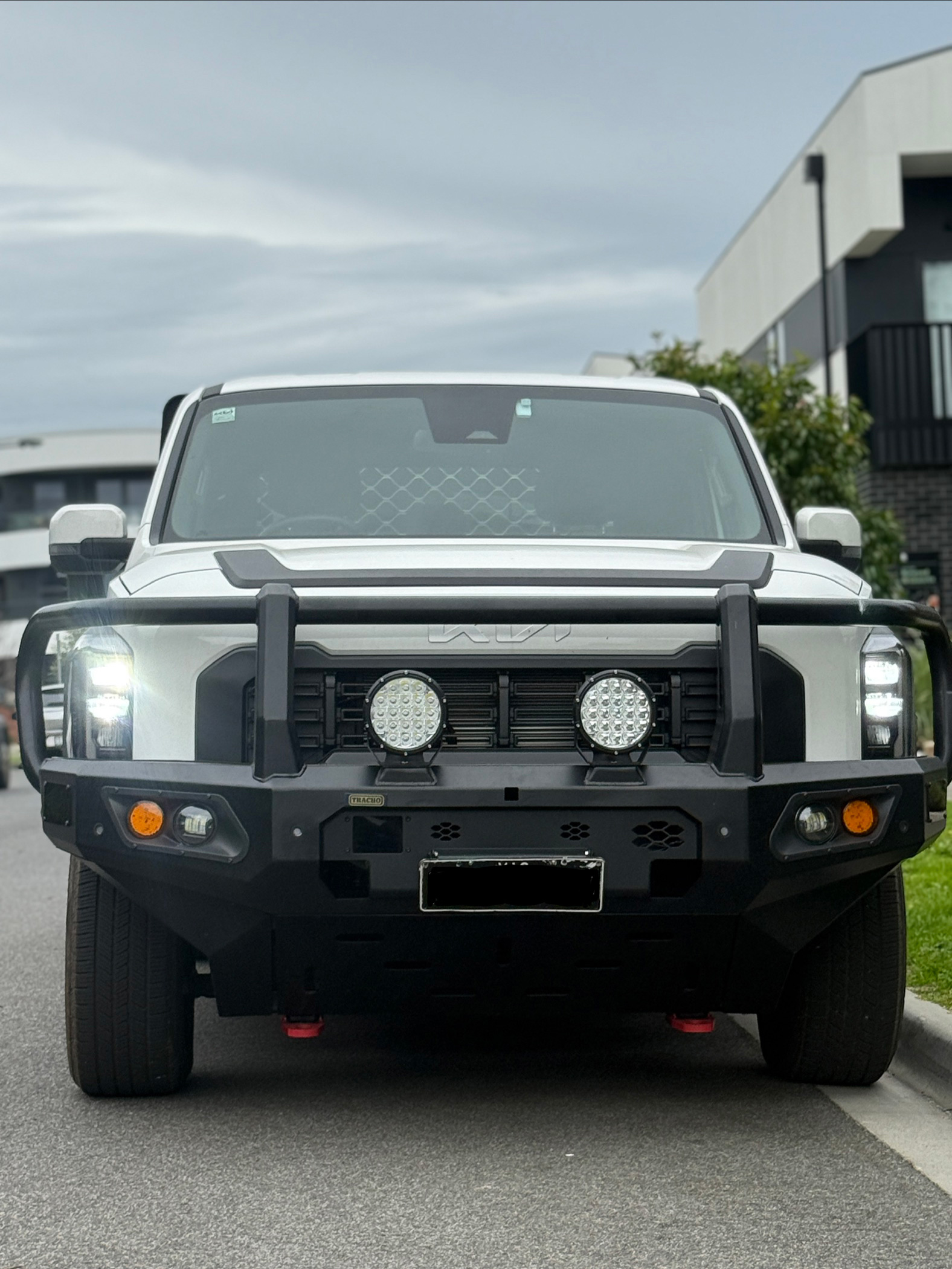
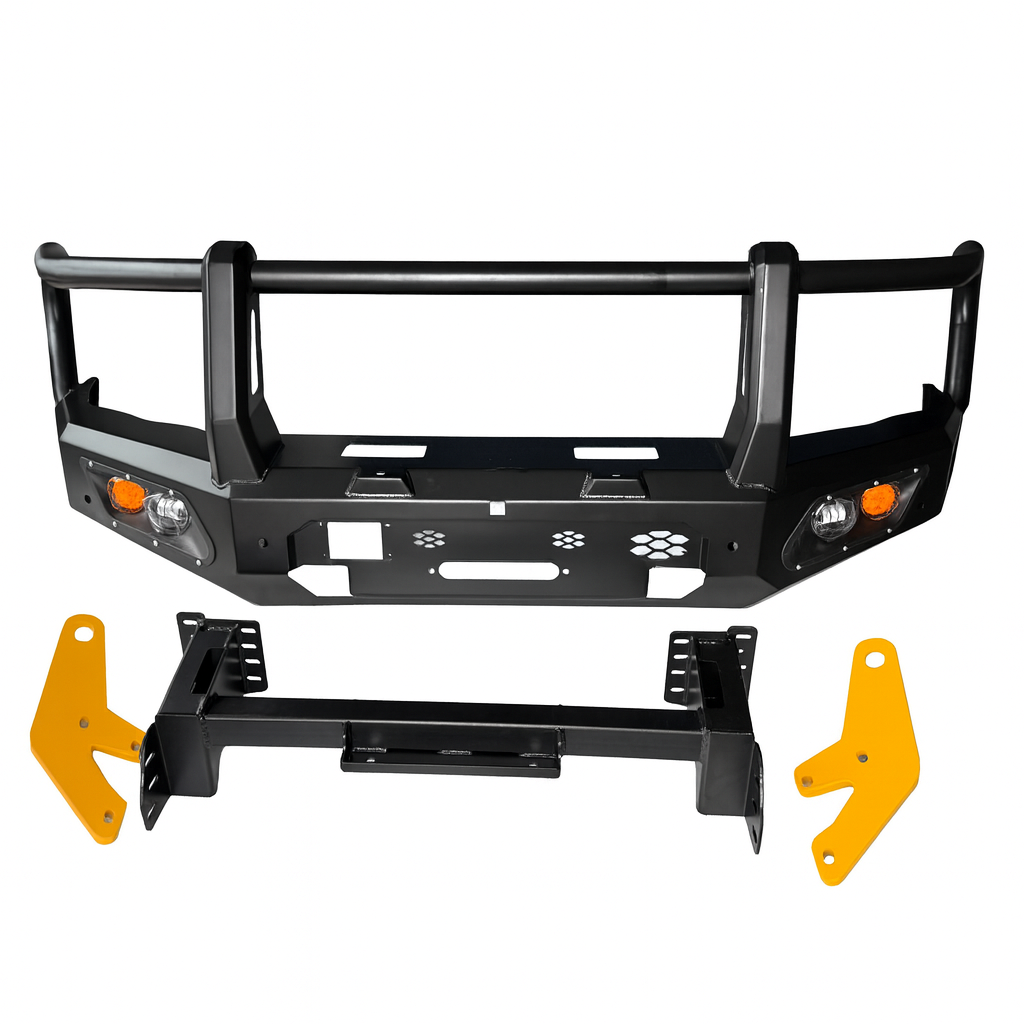
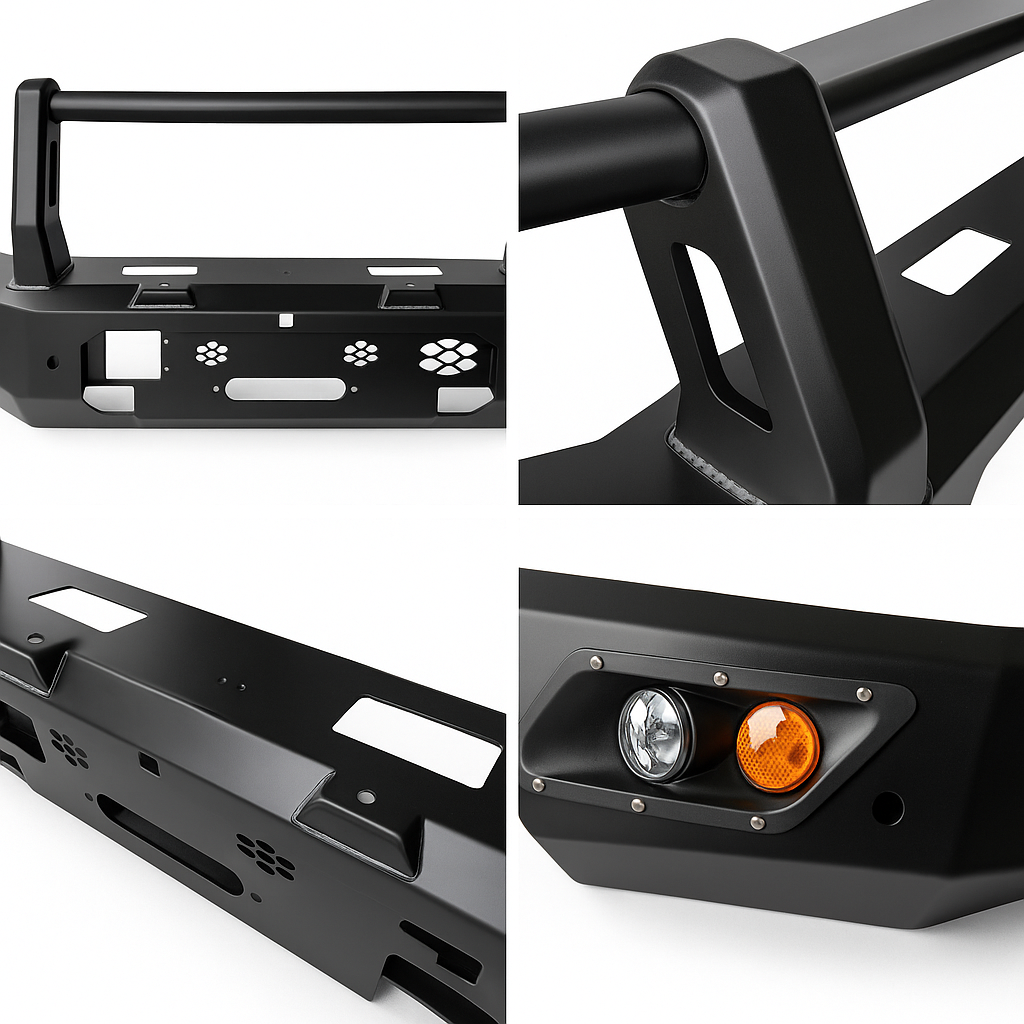
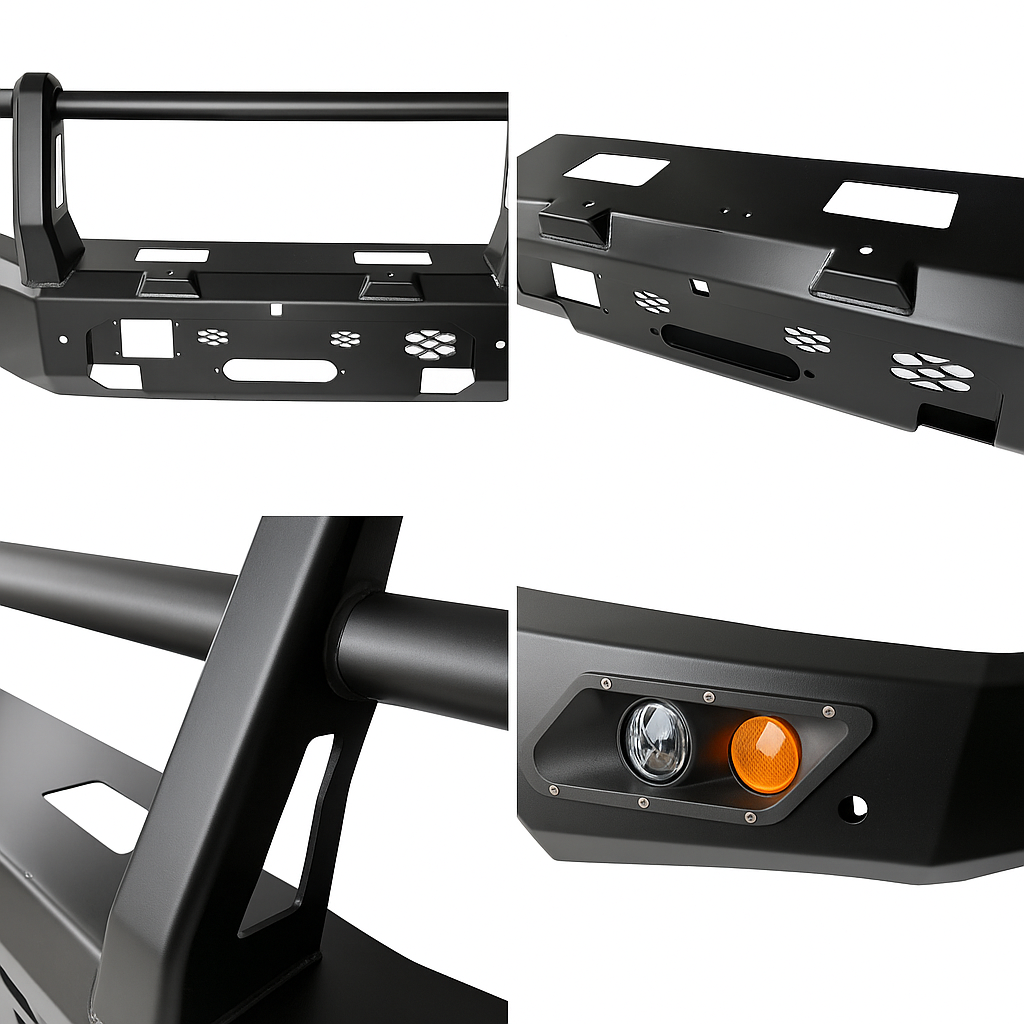
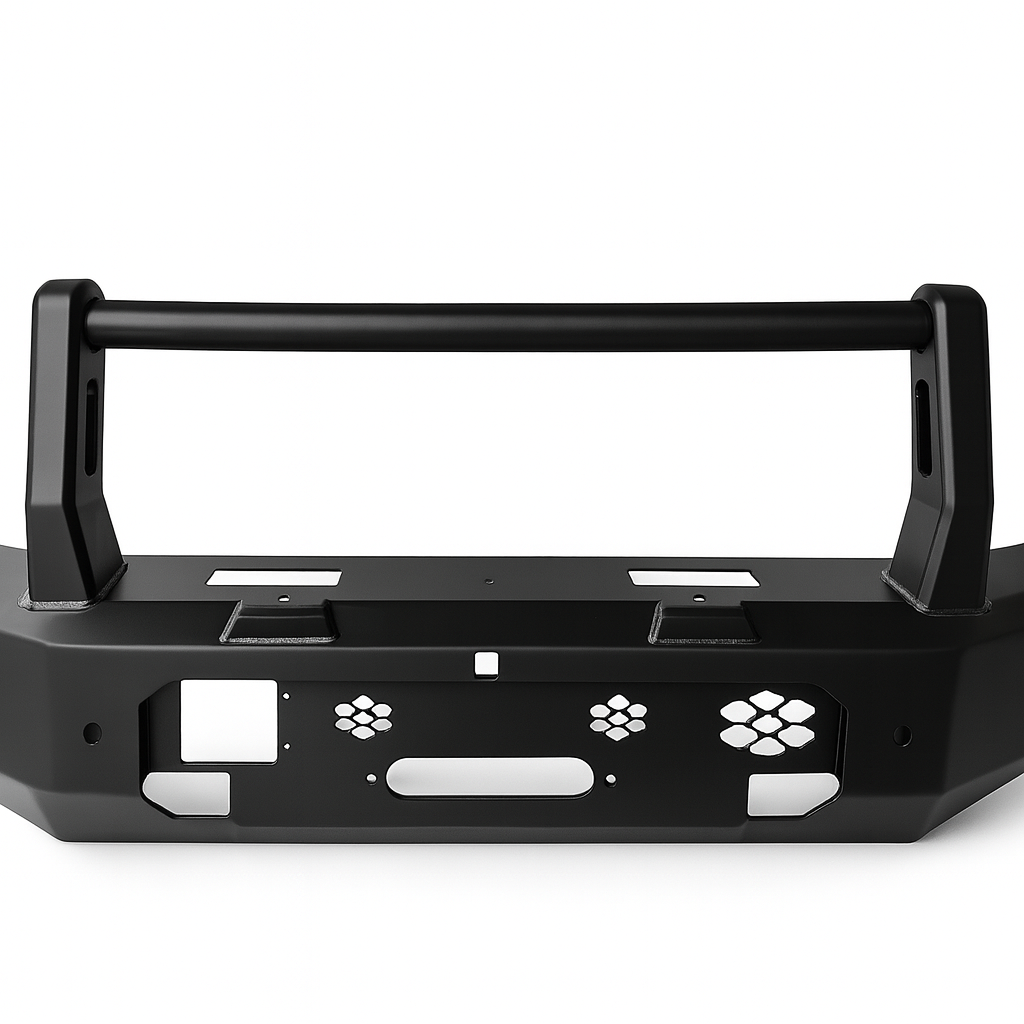
A bull bar is the most effective front-end protection for this kind of driving. It won’t prevent all damage in a serious strike, but it protects your radiator, cooling system and front-end components in a way that a standard bumper doesn’t come close to. If you’re heading into genuine outback or rural territory and you don’t have front-end protection, it’s worth sorting before you go rather than taking the risk.
If your route is mostly sealed highway with limited gravel and you’re travelling during daylight hours in lower-risk areas, a nudge bar offers some protection for lower-speed impacts and gives you a light mounting point without the full commitment of a bull bar. But for serious remote travel, a full bar is the more appropriate choice.
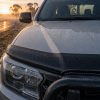
A bonnet protector is worth adding if you don’t already have one. Remote roads – even sealed ones in some areas – throw up a lot of stone chips and debris, and a bonnet protector keeps that away from the leading edge of the bonnet and the base of the windscreen on every kilometre of the trip.
Visibility – lighting for unfamiliar dark roads

Once you leave the city, street lighting disappears and the darkness on remote roads is a different level to what most daily drivers are used to. Your standard headlights, which are perfectly adequate in suburban conditions, suddenly feel a lot less reassuring when you’re travelling at 100km/h on an unfamiliar road with animals potentially anywhere on or near the verge.
Auxiliary driving lights are one of the more practical upgrades you can make before a remote trip. A good set adds meaningful distance to your visible range at speed, which translates directly into more time to react to whatever’s in front of you. For road-based remote travel, driving lights are usually the more useful choice – they’re focused, legal on public roads when correctly fitted, and effective at the speeds you’re actually travelling.
If your trip includes slower off-road sections where you need wide area coverage rather than long-range penetration, a light bar becomes more relevant. Many people heading on serious remote trips run both – driving lights for the highway sections and a light bar for the slower off-road parts.
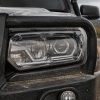
Don’t overlook your headlights themselves. Headlight covers protect the lens from stone chips and debris on gravel roads. A cracked or badly pitted headlight lens reduces output significantly, and replacing a headlight in a remote area isn’t straightforward. It’s cheap insurance before a long trip.
Tray and storage – can your setup handle the load?
Remote trips mean carrying more of everything – more food, more water, more fuel, more gear. Whatever storage setup works fine for a weekend away might not be adequate for a longer trip into areas where resupply isn’t guaranteed.
If you’re running a canopy, think about whether your internal organisation actually works for the volume you’ll be carrying. Loose gear that shifts around on corrugations causes damage over time and makes finding things frustrating. A basic internal shelving or drawer setup makes a real difference on longer trips.
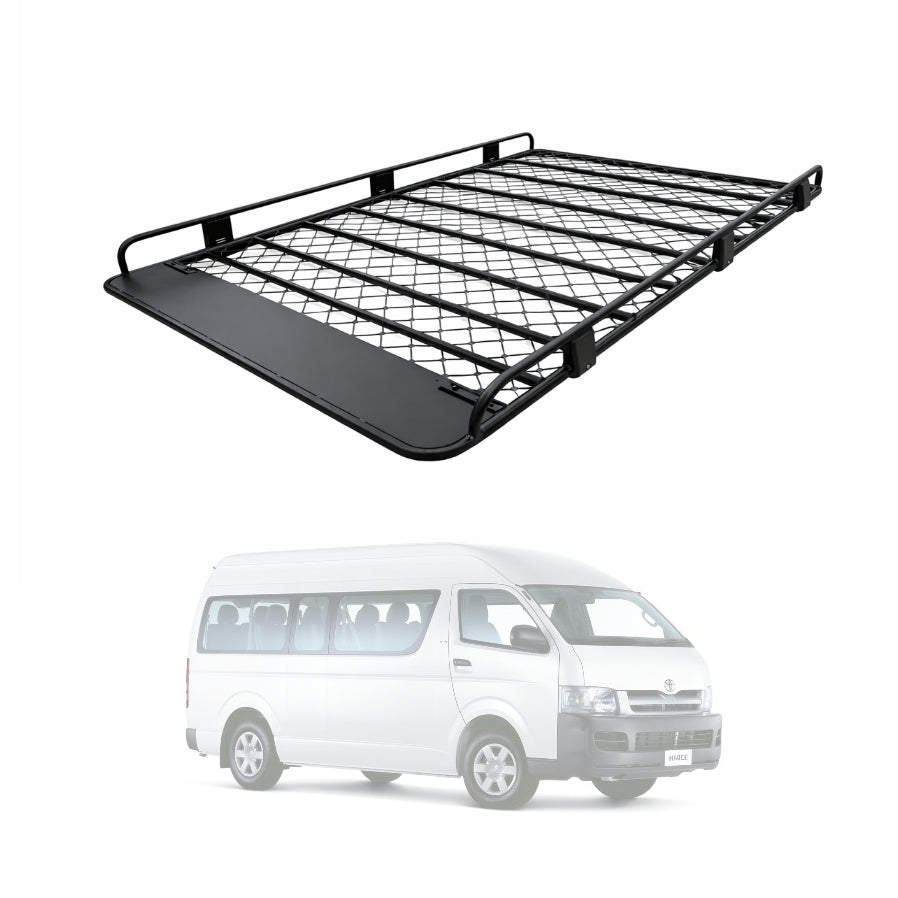
If you’re using a roof rack for extra gear – jerry cans, spare tyres, recovery boards, camping equipment – make sure the weight distribution is sensible and everything is secured properly. Gear that moves around on a roof rack on corrugated roads will wear through tie-downs and potentially come loose. Think about this before you load up, not after two hundred kilometres of rough road.
Roof rack suitability for remote travel is worth reviewing if you haven’t already – the buying guide covers load rating and setup considerations in detail.
Tyres, suspension and underbody – know your limits

You don’t need to rebuild your suspension before a remote trip, but you do need to know the current state of what you’ve got and whether it’s up to the conditions you’re heading into.
Tyres are the most important thing to assess honestly. Check tread depth, check sidewall condition for any existing cuts or bulging, and make sure your spare is in proper condition – not the half-worn one that’s been in the carrier for three years. Remote roads are tough on tyres, and a sidewall failure on a corrugated track is a much bigger problem than the same thing happening in the suburbs.
Understand your tyre pressure management for different conditions. Airing down for dirt roads improves traction and reduces the impact of corrugations significantly. Knowing what pressures to run on different surfaces and having the ability to reinflate when you return to sealed roads is basic preparation that makes a measurable difference to how the vehicle handles and how the tyres hold up.
Check your suspension for any obvious wear – play in the steering, worn bushes, shock absorbers that are past their useful life. Remote roads will amplify any existing weaknesses quickly, and a suspension component that’s marginal for daily driving may not survive a week on rough corrugations.
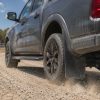
Think about underbody clearance relative to the terrain you’re planning. You don’t need to know the exact clearance numbers, but you do need to have a realistic sense of what your vehicle can handle and where the limits are. Knowing what’s hanging low under your vehicle – diff pans, transfer case, fuel tank – helps you make better decisions on the track.
Recovery gear and communication – the non-accessory side
No vehicle setup replaces the ability to get yourself out of trouble or call for help if things go wrong.
Basic recovery gear for remote travel should include at minimum a snatch strap rated for your vehicle weight, traction boards for soft ground, a hi-lift jack or equivalent, and a shovel. These cover the most common recovery scenarios – bogging in soft ground, getting high-centred, or needing to change a tyre in unstable conditions. They’re not complicated to use, but having them and knowing how to use them before you need them matters.
Communication is the other side of the equation. Mobile coverage disappears fast once you leave major highways in remote Australia. A satellite communicator or personal locator beacon – PLB – is essential for any serious remote trip. A PLB is a one-way emergency device that alerts rescue services to your location. A satellite communicator goes further and allows two-way messaging, trip tracking and the ability to call for help with context. Neither is expensive relative to the cost of a remote trip, and both could save your life if something goes seriously wrong.
Let someone know your planned route and expected return date before you leave. It sounds obvious, but it’s the step that ensures someone will raise the alarm if you don’t come back when expected.
The principle – prepare for where help isn’t coming
The right mental model for remote trip preparation is to assume that whatever goes wrong, you’re dealing with it yourself. Not because help is never available, but because you can’t rely on it being available quickly enough to matter.
That assumption changes how you look at every decision in your setup. A bull bar isn’t overkill if you’re on a road where hitting an animal is genuinely likely. Decent lighting isn’t a luxury if you’re driving unfamiliar roads after dark. Recovery gear isn’t unnecessary weight if you’re going somewhere that would take hours for help to reach.
You don’t need the most expensive or most extreme version of everything. You need the right level of preparation for the specific conditions you’re heading into. Know the route, know the terrain, know your vehicle’s limits, and make sure what you’ve got on the vehicle and in the back is matched to the reality of where you’re going. That’s the preparation that makes remote trips go well rather than becoming a story you tell about what went wrong.