

Is Body Cladding Worth It on a Ute? Protection, Styling and What It Actually Does
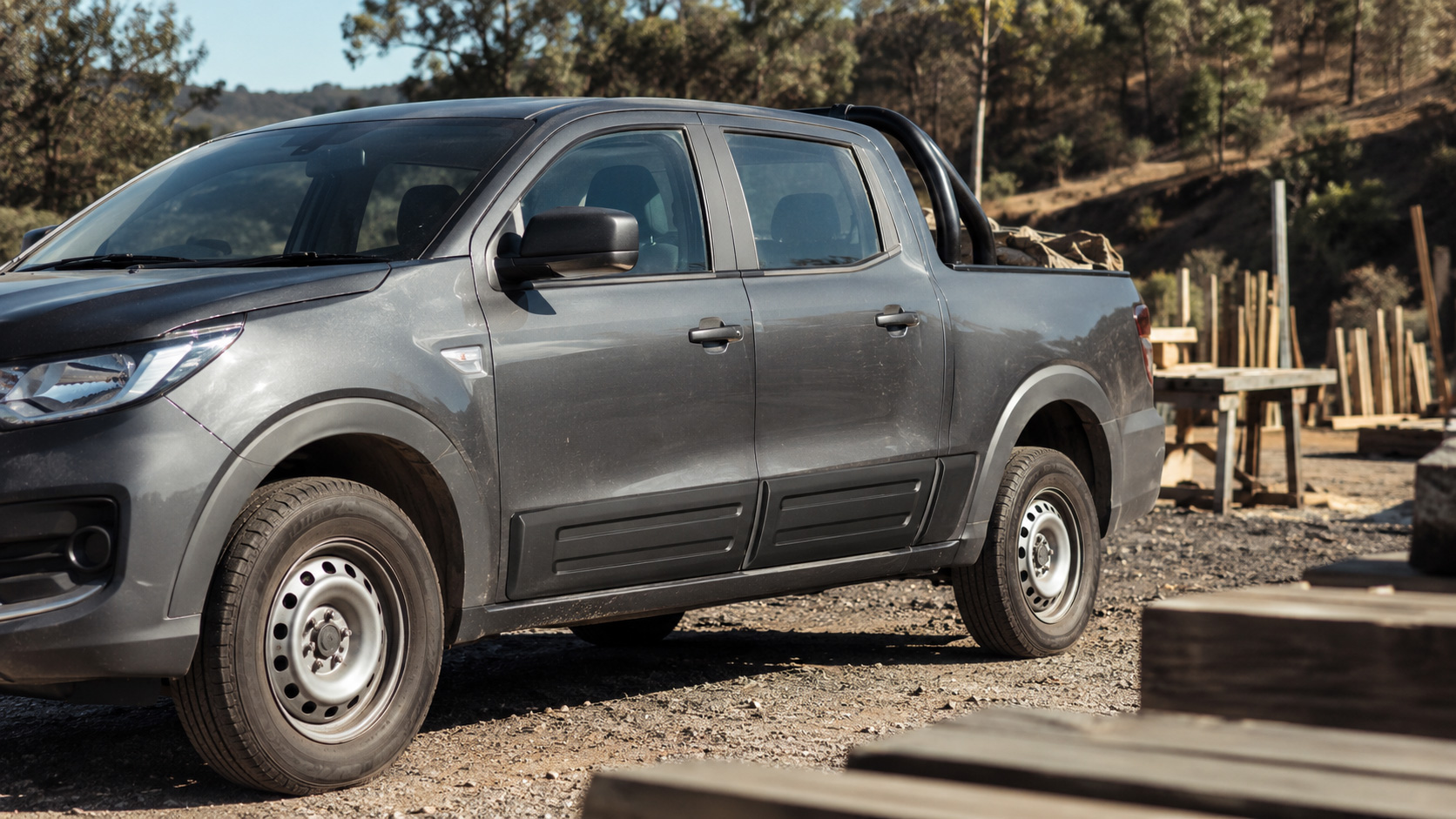
Body cladding can make a ute look tougher almost immediately. The black moulded panels break up large painted door surfaces and give the side of the vehicle a more rugged, purposeful appearance. That makes it easy to assume cladding is mainly a styling accessory.
There is a practical side to it as well. Because body cladding sits over lower door and side-panel areas that are exposed to grit, light knocks and repeated scuffs, it can act as a sacrificial outer layer. The important part is understanding what kind of protection that actually means.
Body cladding can be useful for scratches, scuffs and light everyday contact. It is not a substitute for heavy-duty side protection, and it will not make the bodywork immune to serious impacts. Whether it is worth fitting depends on where you drive, how your ute is used and how much you value the styling change.
Start With the Area It Actually Covers
Before judging whether cladding is useful, look at the part of the vehicle it is designed to cover. Most ute body cladding is concentrated around the lower door and side-body area, not the whole side of the vehicle.
| Vehicle area | What body cladding does there |
| Upper doors | Usually little or no coverage |
| Lower door panels | Main protection and styling zone |
| Wheel arches | Usually better covered by fender flares |
| Sills and underbody | Not the job of cosmetic body cladding |
That lower-door position is important because it is where dirt, gravel, boots, equipment and other low-level contact are more likely to leave visible marks. Cladding is useful when it covers the area that is actually taking that wear.
What Kind of Damage Can Body Cladding Actually Help With?
Gravel and road debris
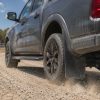
On gravel roads, access tracks and unsealed worksites, the lower sides of a ute are exposed to dust, grit and small stones. Body cladding gives some of that debris a moulded outer surface to strike rather than the painted panel underneath. It can reduce cosmetic wear in the area it covers, although it should not be treated as complete stone-chip protection.
Worksite and car park wear
A ute does not need to be off-road to collect side damage. Tool bags, hoses, timber, bins and equipment can brush against the lower doors on a worksite. In tight car parks or loading areas, light contact can also leave scuffs. Cladding is most useful here as a barrier against the smaller, repetitive marks that accumulate over time.
Everyday scratches and scuffs
A moulded black surface is generally better suited to taking minor cosmetic wear than exposed painted bodywork. If the cladding picks up a light mark, it is often less visually obvious than the same mark across a glossy painted door. That is one reason cladding can make practical sense even when serious off-road protection is not the goal.
A Reality Check on Protection
| Type of damage | Protection level |
| Light scratches and scuffs | Good |
| Gravel and small road debris | Useful |
| Minor door-level knocks | Some protection |
| Larger stone impact | Limited |
| Heavy off-road impact | Very limited |
| Major panel damage | No meaningful protection |
| The simplest way to think about it: Body cladding is a sacrificial outer layer, not body armour. |
So Is It Protection or Styling?
It is genuinely both, but the balance changes depending on the vehicle. For a work ute that regularly travels through gravel yards or busy worksites, the protective function may be the main reason to fit it. For a mostly urban ute, the appearance may be the bigger benefit, with some extra protection as a bonus.
| How the ute is used | Likely main benefit |
| Worksites and gravel roads | Protection first |
| Daily driving with occasional work use | Protection and styling |
| Mostly urban driving | Styling first |
| Heavy off-road use | Useful extra layer, but not enough on its own |
There is nothing wrong with choosing cladding mainly because you prefer the way it looks. The useful distinction is knowing whether you are buying cosmetic protection, serious impact protection or a visual upgrade. Body cladding sits firmly in the first and third categories.
Why Matte Black Works So Well for Cladding
Matte black is common for ute body cladding because it works both visually and practically. Against a painted door it creates a clear contrast, so the cladding looks like an intentional part of the exterior rather than an added strip of trim.
It also pairs naturally with other black exterior components such as wheel-arch flares, side steps and bars. On a vehicle that already has a few black accessories, side cladding can visually connect the lower half of the ute without needing every panel to match exactly.
If wheel-arch coverage is the bigger concern, fender flares serve a different purpose by extending coverage around the arches rather than across the doors.
Standard vs Slim Cladding: More Isn’t Always Better
Some vehicles have cladding options with noticeably different profiles. A wider or more prominent design can cover more of the lower door and create a stronger visual change. A slim design keeps more of the original painted surface visible and can look closer to an OEM-style finish.
Wider coverage
- Makes sense when protection is the priority
- Creates a more obvious rugged exterior look
- Can suit utes that regularly see gravel, worksites or heavier day-to-day use
Slim profile
- Keeps the styling change more subtle
- Can suit owners who prefer a cleaner factory-like appearance
- Still provides useful coverage where the trim is positioned
The better choice is not automatically the version with the most material. Look at where the ute is already getting marked, then choose coverage that actually reaches those areas.
| Don’t Confuse Body Cladding With Other Protection · Fender flares: extend coverage around the wheel arches. · Mud flaps: help control water, mud and debris thrown from the tyres. · Side steps or rock sliders: sit lower on the vehicle and can serve a very different access or impact-protection role depending on their construction. · Paint protection film: provides a much less visible protective layer where preserving the painted appearance is the priority. |
These products can overlap in the general goal of protecting a ute, but they do not protect the same areas or handle the same type of contact. A useful setup starts with the problem you are actually trying to solve.
What About Dirt Behind the Cladding?
Covering part of a painted panel does not mean that area becomes maintenance-free. Dust, water and road grime are normal concerns around exterior trims, so correct vehicle-specific fit is important. A loose or poorly matched piece is less useful because movement can create its own wear and allow more contamination around the edges.
The condition of the painted surface matters too. Cladding is best thought of as an outer layer over sound bodywork, not a way to ignore existing corrosion, damaged paint or deeper panel problems.
Will It Make the Ute Look Too Modified?
That depends heavily on the cladding profile and what is already fitted to the vehicle. A slim, vehicle-specific design can look relatively restrained, especially when it follows the original door lines. Broader cladding creates a more obvious contrast and gives the ute a tougher lower-body appearance.
If the vehicle already has black flares, steps or protection bars, cladding can make the exterior feel more visually consistent. If the ute is otherwise close to factory specification, the same cladding will stand out more. Neither approach is better. It comes down to whether you want the accessory to blend in or become part of the styling.
A Simple Way to Decide
Before buying body cladding, three questions are more useful than simply asking whether the accessory is popular.
1. Where is your ute already getting marked?
Look at the lower doors and side panels. If that area is collecting scratches, scuffs or gravel marks, cladding is addressing a real problem rather than a hypothetical one.
2. Where do you drive?
Regular worksite, gravel-road and rough-access use gives the protective side of cladding more value. If almost every kilometre is on sealed suburban roads, the styling benefit may matter more than the protection.
3. Would you still want it if the styling did not change?
If the answer is yes, protection is probably your main motivation. If the answer is no, you are mainly buying it for the look, and that is perfectly reasonable as long as you are not expecting heavy-duty protection from a cosmetic moulding.
The same principle applies when choosing other ute accessories: build around how the vehicle is actually used. Our guide to setting up a ute for work looks at that decision from a broader work-vehicle perspective.
Is Body Cladding Worth It?
Body cladding is worthwhile when the lower sides of your ute regularly deal with gravel, worksite debris, equipment and everyday scuffs. In those conditions, it gives vulnerable painted areas an extra wear surface while also changing the look of the vehicle.
For a ute that spends most of its time in urban traffic and rarely sees contact around the lower doors, the practical benefit is smaller. In that case, cladding is more accurately treated as a styling upgrade that happens to add some useful protection.
If the combination suits how you use your ute, compare vehicle-specific options in the Body Cladding & Mouldings range and choose the coverage that matches the areas you actually want to protect.